Economics · Similar reads
Books like The Ascent of Money: A Financial History of the World
The best books like The Ascent of Money: A Financial History of the World are The Big Short: Inside the Doomsday Machine, Against the Gods: The Remarkable Story of Risk, and Why Nations Fail: The Origins of Power, Prosperity, and Poverty. The Ascent of Money: A Financial History of the World by Niall Ferguson is about financial history, banking, risk. If that's what drew you in, here are 12 books that share its DNA — each summarized on Superbook, and ready to chat with in the app.
- The Big Short: Inside the Doomsday Machine
01
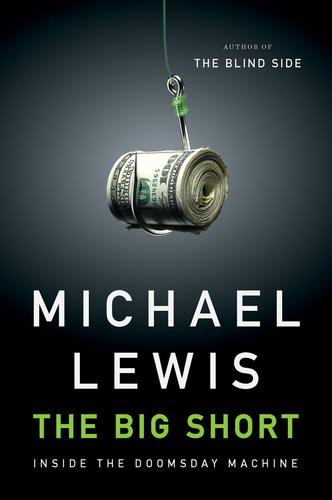
The Big Short: Inside the Doomsday Machine
Michael Lewis · Economics
The Big Short is Michael Lewis's account of the 2008 financial crisis as seen through the eyes of a handful of contrarians who saw the collapse coming, bet against the American housing market, and were right.
Both dig into risk.
Read the summary → - Against the Gods: The Remarkable Story of Risk
02
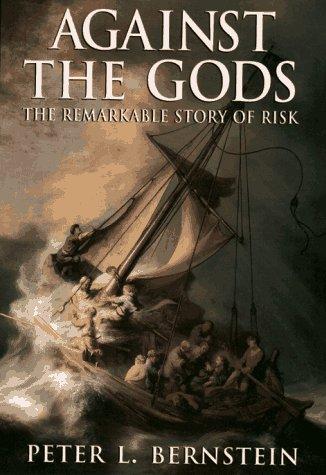
Against the Gods: The Remarkable Story of Risk
Peter L. Bernstein · History
Against the Gods is Peter Bernstein's intellectual history of how humanity learned to measure, quantify, and manage risk — a story he traces from ancient gambling in the Mediterranean through the development of modern probability theory, statistics, and financial derivatives.
Shares financial history and risk with The Ascent of Money: A Financial History of the World.
Read the summary → - Why Nations Fail: The Origins of Power, Prosperity, and Poverty
03
Why Nations Fail: The Origins of Power, Prosperity, and Poverty
Daron Acemoglu and James A. Robinson · Economics
Daron Acemoglu and James Robinson argue that the fundamental difference between rich and poor countries is not geography, culture, or bad luck.
A kindred economics read.
Read the summary →
- Sapiens: A Brief History of Humankind
04
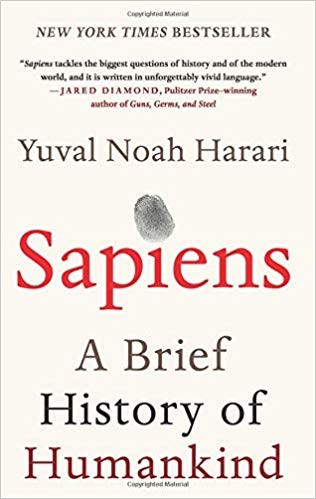
Sapiens: A Brief History of Humankind
Yuval Noah Harari · History
Sapiens traces the full arc of human history from the emergence of Homo sapiens in Africa roughly 70,000 years ago to the present.
A kindred economics read.
Read the summary → - Guns, Germs, and Steel

05
Jared Diamond · Science
Guns, Germs, and Steel is Jared Diamond's attempt to answer a question posed to him by a Papua New Guinean politician named Yali: why did Europeans end up with so much cargo — wealth, technology, power — while other peoples had comparatively little?
A kindred economics read.
Read the summary → - More Money Than God
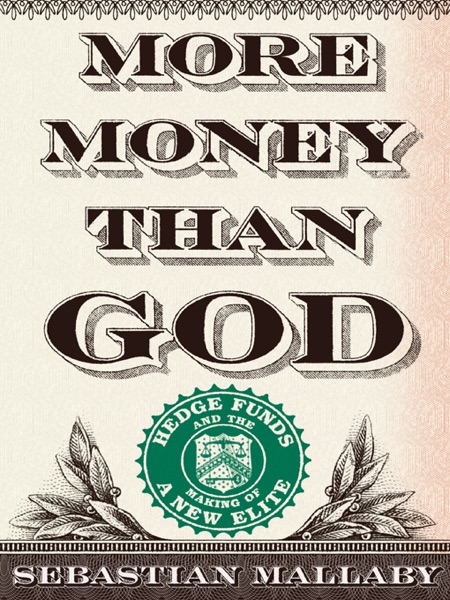
06
Sebastian Mallaby · Economics
Sebastian Mallaby's history of hedge funds begins with Alfred Winslow Jones, who in 1949 invented the basic structure that still defines the industry: borrow money to buy what you think will go up, sell short what you think will go down, take a 20 percent cut of the profits.
Shares financial history and risk with The Ascent of Money: A Financial History of the World.
Read the summary → - The End of Wall Street
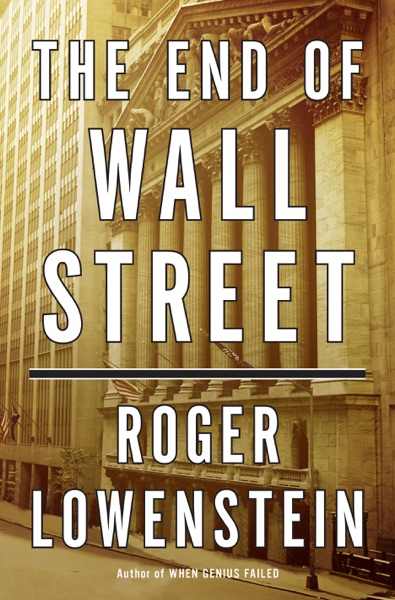
07
Roger Lowenstein · Economics
The End of Wall Street is Roger Lowenstein's account of the 2008 financial crisis, from the early signs of trouble in the mortgage market through the collapse of Lehman Brothers, the government interventions, and the immediate aftermath.
Shares banking and risk with The Ascent of Money: A Financial History of the World.
Read the summary → - The Price of Time
08
Edward Chancellor · History
The Price of Time is Edward Chancellor's history of interest rates — what they are, how they have been set, and what happens when they are persistently pushed below their natural level.
Shares financial history and risk with The Ascent of Money: A Financial History of the World.
Read the summary → - Panic: The Story of Modern Financial Insanity
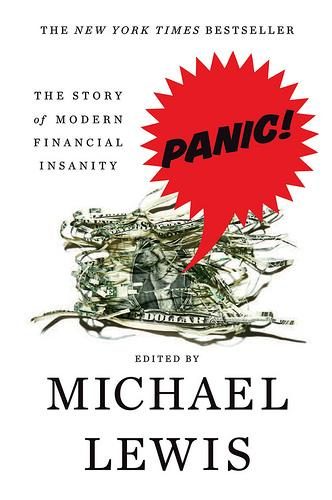
09
Panic: The Story of Modern Financial Insanity
ed. Michael Lewis · Economics
Panic is an anthology edited by Michael Lewis, collecting journalism, essays, and firsthand accounts about five major financial crises from 1987 to 2007: the Black Monday crash, the emerging markets panics of the 1990s, the Long-Term Capital Management collapse, the dot-com bust, and the early signals of the subprime mortgage crisis.
Both dig into risk.
Read the summary → - The Misbehavior of Markets
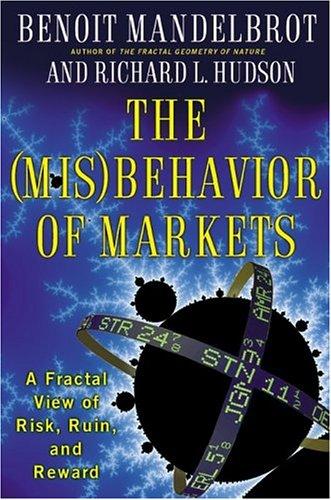
10
Benoit Mandelbrot · Economics
Benoit Mandelbrot, the mathematician who discovered fractal geometry, spent decades arguing that standard financial theory systematically underestimates the riskiness of markets.
Both dig into risk.
Read the summary → - 1493: Uncovering the New World Columbus Created
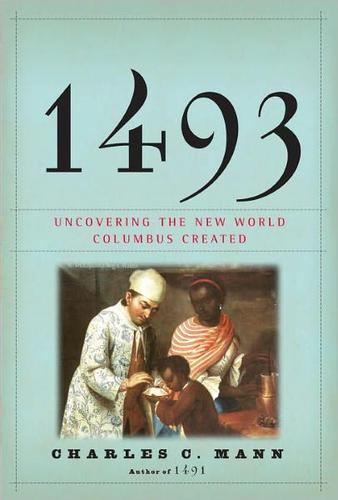
11
1493: Uncovering the New World Columbus Created
Charles C. Mann · History
Where 1491 ends, 1493 begins.
Both dig into globalization.
Read the summary → - America's Bank: The Epic Struggle to Create the Federal Reserve
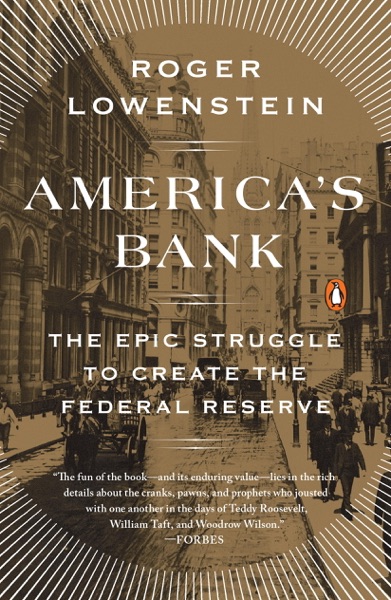
12
America's Bank: The Epic Struggle to Create the Federal Reserve
Roger Lowenstein · History
The Federal Reserve was created in 1913, but the story of how it came into existence spans three decades and involves a level of political resistance, financial panic, and legislative maneuvering that makes the eventual outcome seem unlikely in retrospect.
Both dig into banking.
Read the summary →
Books like The Ascent of Money: A Financial History of the World: quick answers
What are the best books like The Ascent of Money: A Financial History of the World?
The best books like The Ascent of Money: A Financial History of the World by Niall Ferguson are The Big Short: Inside the Doomsday Machine by Michael Lewis, Against the Gods: The Remarkable Story of Risk by Peter L. Bernstein, Why Nations Fail: The Origins of Power, Prosperity, and Poverty by Daron Acemoglu and James A. Robinson, Sapiens: A Brief History of Humankind by Yuval Noah Harari, Guns, Germs, and Steel by Jared Diamond, plus 7 more below. Each was chosen for themes it shares with The Ascent of Money: A Financial History of the World, such as financial history, banking, risk.
What should I read after The Ascent of Money: A Financial History of the World?
A natural next read after The Ascent of Money: A Financial History of the World is The Big Short: Inside the Doomsday Machine by Michael Lewis. Both dig into risk. Other strong choices are Against the Gods: The Remarkable Story of Risk by Peter L. Bernstein, Why Nations Fail: The Origins of Power, Prosperity, and Poverty by Daron Acemoglu and James A. Robinson, Sapiens: A Brief History of Humankind by Yuval Noah Harari.
What books are similar to The Ascent of Money: A Financial History of the World by Niall Ferguson?
The Ascent of Money: A Financial History of the World centers on financial history, banking, risk. Books with a similar feel include The Big Short: Inside the Doomsday Machine by Michael Lewis, Against the Gods: The Remarkable Story of Risk by Peter L. Bernstein, Why Nations Fail: The Origins of Power, Prosperity, and Poverty by Daron Acemoglu and James A. Robinson, Sapiens: A Brief History of Humankind by Yuval Noah Harari, Guns, Germs, and Steel by Jared Diamond, More Money Than God by Sebastian Mallaby — all free to read and chat with on Superbook.
