Psychology · Similar reads
Books like The Fear Factor: How One Emotion Connects Altruists, Psychopaths, and Everyone In-Between
The best books like The Fear Factor: How One Emotion Connects Altruists, Psychopaths, and Everyone In-Between are Behave: The Biology of Humans at Our Best and Worst, The Righteous Mind: Why Good People Are Divided by Politics and Religion, and Emotional Intelligence. The Fear Factor: How One Emotion Connects Altruists, Psychopaths, and Everyone In-Between by Abigail Marsh is about fear, altruism, psychopathy. If that's what drew you in, here are 12 books that share its DNA — each summarized on Superbook, and ready to chat with in the app.
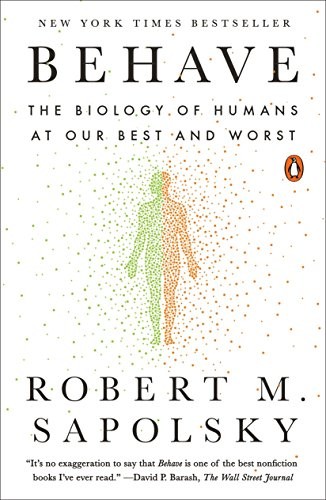
- Behave: The Biology of Humans at Our Best and Worst
01
Behave: The Biology of Humans at Our Best and Worst
Robert M. Sapolsky · Science
Behave is Robert Sapolsky's attempt to explain why humans do what they do — the violence, the altruism, the tribalism, the heroism — by working through every layer of biology that contributes to a single act.
A kindred psychology read.
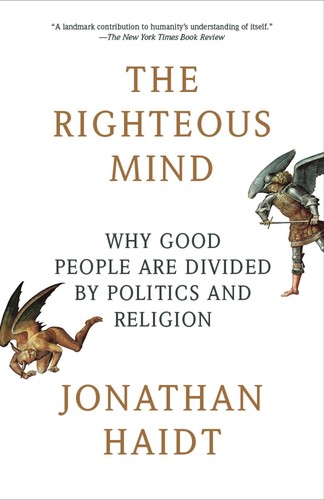
Read the summary → - The Righteous Mind: Why Good People Are Divided by Politics and Religion
02
The Righteous Mind: Why Good People Are Divided by Politics and Religion
Jonathan Haidt · Psychology
The Righteous Mind is Jonathan Haidt's argument that moral reasoning is not the source of our moral judgments — it's the press secretary for them.
A kindred psychology read.
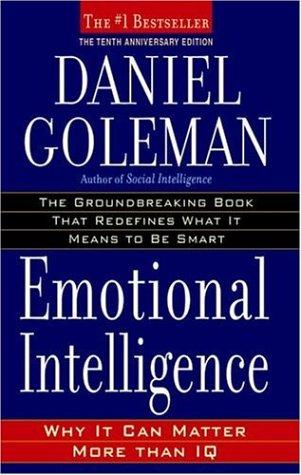
Read the summary → - Emotional Intelligence
03
Daniel Goleman · Psychology
Daniel Goleman's Emotional Intelligence, published in 1995, made a widely influential argument: that the cluster of abilities involved in managing emotions — self-awareness, self-regulation, empathy, and social skill — predicts life outcomes at least as well as IQ, and possibly better in many domains.
Both dig into empathy.
Read the summary →
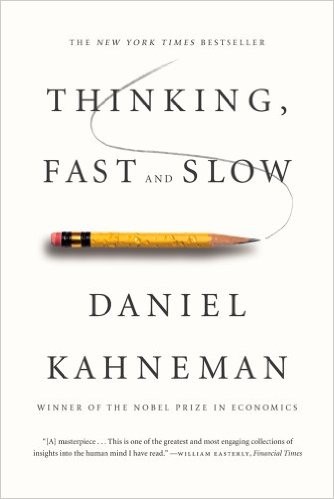
- Thinking, Fast and Slow
04
Daniel Kahneman · Psychology
Thinking, Fast and Slow is Daniel Kahneman's account of the two cognitive systems that govern human thought.
A kindred psychology read.
Read the summary → - Against Empathy: The Case for Rational Compassion
05
Against Empathy: The Case for Rational Compassion
Paul Bloom · Psychology
Paul Bloom's argument is not that we should care less about others.
Both dig into empathy.
Read the summary → - Just Babies: The Origins of Good and Evil
06
Just Babies: The Origins of Good and Evil
Paul Bloom · Psychology
Paul Bloom's central question is how much morality is innate versus learned.
Both dig into empathy.
Read the summary → - On Becoming a Person: A Therapist's View of Psychotherapy
07
On Becoming a Person: A Therapist's View of Psychotherapy
Carl R. Rogers · Psychology
Carl Rogers wrote this book in 1961 as an attempt to communicate his therapeutic approach to readers outside the consulting room.
Both dig into empathy.
Read the summary → - Social Intelligence: The New Science of Human Relationships
08
Social Intelligence: The New Science of Human Relationships
Daniel Goleman · Psychology
Daniel Goleman's follow-up to Emotional Intelligence shifts focus from the inner world to the social.
Both dig into empathy.
Read the summary → - Social: Why Our Brains Are Wired to Connect
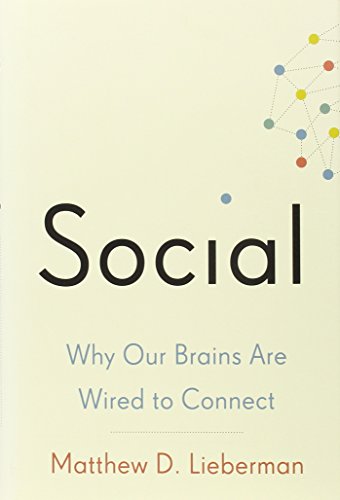
09
Social: Why Our Brains Are Wired to Connect
Matthew D. Lieberman · Psychology
Matthew Lieberman is one of the founders of social neuroscience, the field that uses brain imaging and neuroscience methods to study social behavior.
Both dig into empathy.
Read the summary → - The Gift of Fear: Survival Signals That Protect Us from Violence
10
The Gift of Fear: Survival Signals That Protect Us from Violence
Gavin de Becker · Psychology
Gavin de Becker's central argument is that fear is a gift, not a problem to manage.
Both dig into fear.
Read the summary → - The Psychopath Test
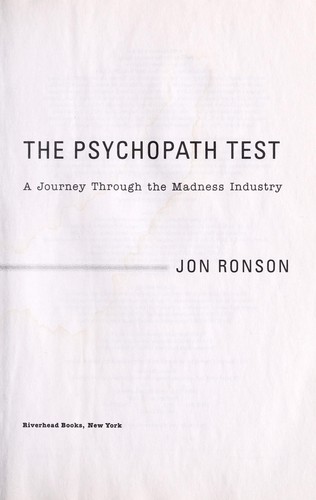
11
Jon Ronson · Psychology
Jon Ronson is a journalist who starts investigating a strange series of anonymous books sent to academics around the world, and ends up spending a year exploring psychopathy, the Hare Psychopathy Checklist, and the question of whether the diagnostic categories psychiatry uses are tools for understanding people or labels that do damage of their own.
Both dig into psychopathy.
Read the summary → - Big Magic
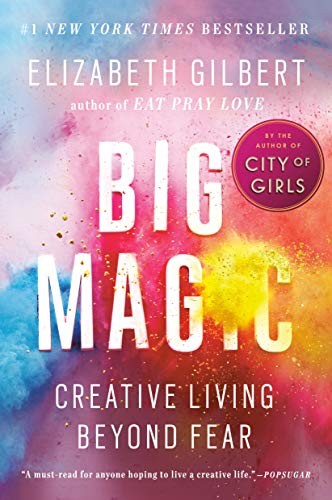
12
Elizabeth Gilbert · Self-help
Big Magic is Elizabeth Gilbert's manifesto for living a creative life — not as a professional artistic career but as an orientation toward existence.
Both dig into fear.
Read the summary →
Books like The Fear Factor: How One Emotion Connects Altruists, Psychopaths, and Everyone In-Between: quick answers
What are the best books like The Fear Factor: How One Emotion Connects Altruists, Psychopaths, and Everyone In-Between?
The best books like The Fear Factor: How One Emotion Connects Altruists, Psychopaths, and Everyone In-Between by Abigail Marsh are Behave: The Biology of Humans at Our Best and Worst by Robert M. Sapolsky, The Righteous Mind: Why Good People Are Divided by Politics and Religion by Jonathan Haidt, Emotional Intelligence by Daniel Goleman, Thinking, Fast and Slow by Daniel Kahneman, Against Empathy: The Case for Rational Compassion by Paul Bloom, plus 7 more below. Each was chosen for themes it shares with The Fear Factor: How One Emotion Connects Altruists, Psychopaths, and Everyone In-Between, such as fear, altruism, psychopathy.
What should I read after The Fear Factor: How One Emotion Connects Altruists, Psychopaths, and Everyone In-Between?
A natural next read after The Fear Factor: How One Emotion Connects Altruists, Psychopaths, and Everyone In-Between is Behave: The Biology of Humans at Our Best and Worst by Robert M. Sapolsky. A kindred psychology read. Other strong choices are The Righteous Mind: Why Good People Are Divided by Politics and Religion by Jonathan Haidt, Emotional Intelligence by Daniel Goleman, Thinking, Fast and Slow by Daniel Kahneman.
What books are similar to The Fear Factor: How One Emotion Connects Altruists, Psychopaths, and Everyone In-Between by Abigail Marsh?
The Fear Factor: How One Emotion Connects Altruists, Psychopaths, and Everyone In-Between centers on fear, altruism, psychopathy. Books with a similar feel include Behave: The Biology of Humans at Our Best and Worst by Robert M. Sapolsky, The Righteous Mind: Why Good People Are Divided by Politics and Religion by Jonathan Haidt, Emotional Intelligence by Daniel Goleman, Thinking, Fast and Slow by Daniel Kahneman, Against Empathy: The Case for Rational Compassion by Paul Bloom, Just Babies: The Origins of Good and Evil by Paul Bloom — all free to read and chat with on Superbook.
