Economics · Similar reads
Books like The Investor's Manifesto
The best books like The Investor's Manifesto are The Little Book of Common Sense Investing, The Bogleheads' Guide to Investing, and The Four Pillars of Investing. The Investor's Manifesto by William J. Bernstein is about investing, asset allocation, market history. If that's what drew you in, here are 12 books that share its DNA — each summarized on Superbook, and ready to chat with in the app.
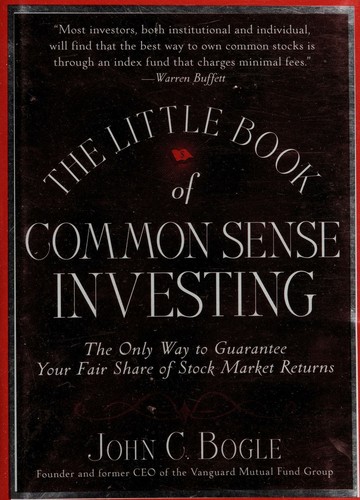
- The Little Book of Common Sense Investing
01
The Little Book of Common Sense Investing
John C. Bogle · Economics
The Little Book of Common Sense Investing is John Bogle's concise case for why buying the entire stock market through a low-cost index fund is the most rational investment strategy available to most people.
A kindred economics read.
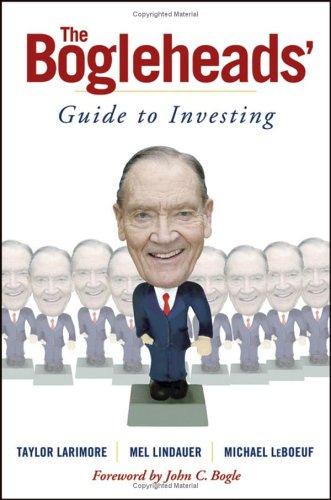
Read the summary → - The Bogleheads' Guide to Investing
02
The Bogleheads' Guide to Investing
Taylor Larimore · Economics
The Bogleheads' Guide to Investing is Taylor Larimore, Mel Lindauer, and Michael LeBoeuf's practical manual for implementing John Bogle's investment philosophy in a complete financial plan.
Both dig into asset allocation.
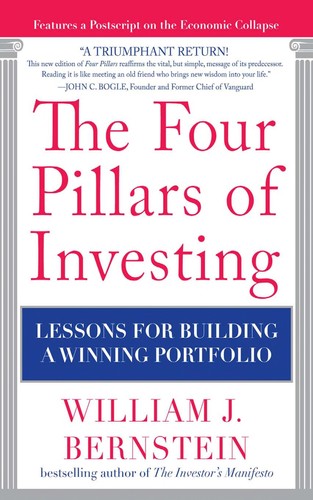
Read the summary → - The Four Pillars of Investing
03
William J. Bernstein · Economics
The Four Pillars of Investing is William Bernstein's rigorous guide to building and managing an investment portfolio, organized around the four things every serious investor needs to understand: investment theory, investment history, the psychology of investing, and the investment business.
Shares asset allocation and market history with The Investor's Manifesto.
Read the summary →
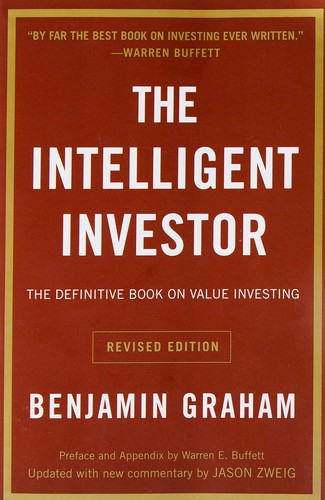
- The Intelligent Investor
04
Benjamin Graham · Economics
The Intelligent Investor is Benjamin Graham's case that successful investing has less to do with picking the right stocks than with managing your own behavior.
Both dig into risk management.
Read the summary → - All About Asset Allocation
05
Richard A. Ferri · Economics
All About Asset Allocation is Richard Ferri's systematic guide to building and maintaining a diversified investment portfolio.
Shares asset allocation and risk management with The Investor's Manifesto.
Read the summary → - Common Sense on Mutual Funds
06
John C. Bogle · Economics
John Bogle, the founder of Vanguard and inventor of the retail index fund, wrote Common Sense on Mutual Funds as a comprehensive argument for why most investors should own index funds rather than actively managed funds.
Shares investing and index funds with The Investor's Manifesto.
Read the summary → - How a Second Grader Beats Wall Street
07
How a Second Grader Beats Wall Street
Allan Roth · Economics
How a Second Grader Beats Wall Street is Allan Roth's argument that a portfolio simple enough for a child to manage will, over time, outperform the vast majority of professionally managed money.
Shares asset allocation and index funds with The Investor's Manifesto.
Read the summary → - Money: Master the Game
08
Tony Robbins · Economics
Money: Master the Game is Tony Robbins's attempt to distill financial wisdom from interviews with fifty of the world's most successful investors — including Ray Dalio, Warren Buffett, Jack Bogle, and Paul Tudor Jones — into a practical guide for ordinary people.
Shares investing and asset allocation with The Investor's Manifesto.
Read the summary → - The Intelligent Asset Allocator
09
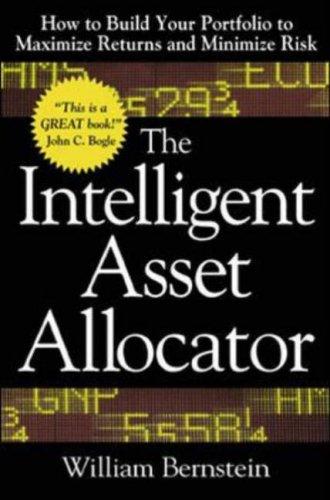
The Intelligent Asset Allocator
William J. Bernstein · Economics
The Intelligent Asset Allocator is William Bernstein's argument that the most important decision an investor makes is not which stock to buy but how to divide a portfolio across different asset classes.
Shares investing and asset allocation with The Investor's Manifesto.
Read the summary → - Unshakeable
10
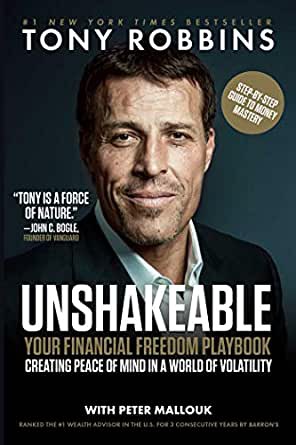
Tony Robbins · Economics
Unshakeable is Tony Robbins's shorter follow-up to Money: Master the Game, co-written with financial advisor Peter Mallouk.
Shares investing and asset allocation with The Investor's Manifesto.
Read the summary → - Winning the Loser's Game
11
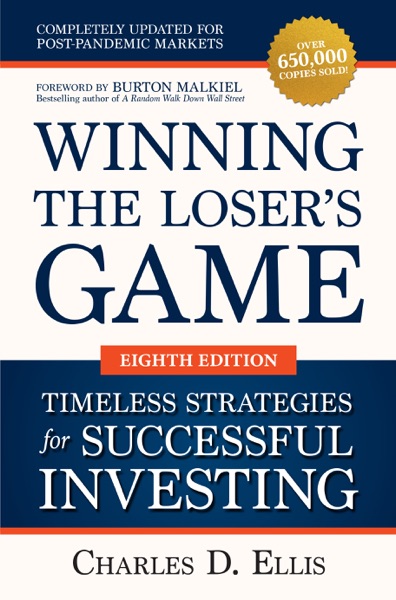
Charles D. Ellis · Business
Winning the Loser's Game is Charles Ellis's case that most individual and institutional investors would be better served by passive index funds than by active management.
Shares investing and index funds with The Investor's Manifesto.
Read the summary → - A Short History of Financial Euphoria
12
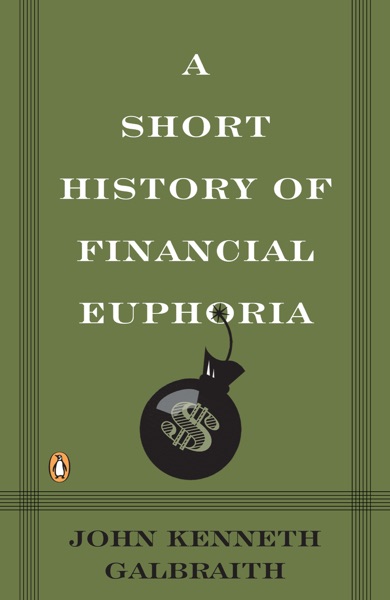
A Short History of Financial Euphoria
John Kenneth Galbraith · Economics
A Short History of Financial Euphoria is John Kenneth Galbraith's compressed account of speculative bubbles from the tulip mania of 1630s Holland through the 1987 US stock market crash.
Both dig into market history.
Read the summary →
Books like The Investor's Manifesto: quick answers
What are the best books like The Investor's Manifesto?
The best books like The Investor's Manifesto by William J. Bernstein are The Little Book of Common Sense Investing by John C. Bogle, The Bogleheads' Guide to Investing by Taylor Larimore, The Four Pillars of Investing by William J. Bernstein, The Intelligent Investor by Benjamin Graham, All About Asset Allocation by Richard A. Ferri, plus 7 more below. Each was chosen for themes it shares with The Investor's Manifesto, such as investing, asset allocation, market history.
What should I read after The Investor's Manifesto?
A natural next read after The Investor's Manifesto is The Little Book of Common Sense Investing by John C. Bogle. A kindred economics read. Other strong choices are The Bogleheads' Guide to Investing by Taylor Larimore, The Four Pillars of Investing by William J. Bernstein, The Intelligent Investor by Benjamin Graham.
What books are similar to The Investor's Manifesto by William J. Bernstein?
The Investor's Manifesto centers on investing, asset allocation, market history. Books with a similar feel include The Little Book of Common Sense Investing by John C. Bogle, The Bogleheads' Guide to Investing by Taylor Larimore, The Four Pillars of Investing by William J. Bernstein, The Intelligent Investor by Benjamin Graham, All About Asset Allocation by Richard A. Ferri, Common Sense on Mutual Funds by John C. Bogle — all free to read and chat with on Superbook.
