Psychology · Similar reads
Books like The Lucifer Effect: Understanding How Good People Turn Evil
The best books like The Lucifer Effect: Understanding How Good People Turn Evil are The Laws of Human Nature, Mistakes Were Made (But Not by Me), and The Psychopath Test. The Lucifer Effect: Understanding How Good People Turn Evil by Philip Zimbardo is about situational behavior, evil, social psychology. If that's what drew you in, here are 12 books that share its DNA — each summarized on Superbook, and ready to chat with in the app.
- The Laws of Human Nature
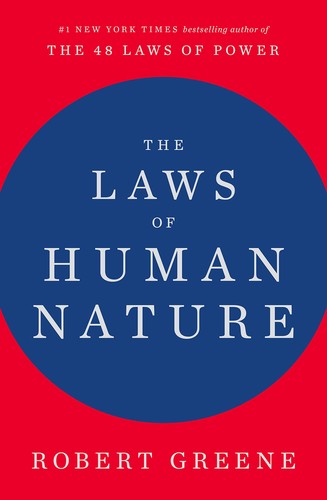
01
Robert Greene · Psychology
Robert Greene is a writer whose career has been built on synthesizing historical biography and social observation into frameworks for understanding power, strategy, and human behavior.
Both dig into power.
Read the summary → - Mistakes Were Made (But Not by Me)
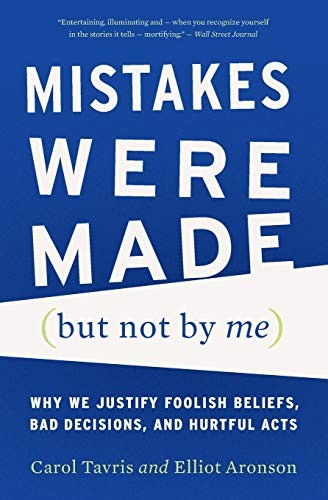
02
Mistakes Were Made (But Not by Me)
Carol Tavris and Elliot Aronson · Psychology
Carol Tavris and Elliot Aronson wrote this book about the mechanisms by which people protect their sense of themselves as competent, moral, and well-intentioned after they have done something that contradicts that self-image.
A kindred psychology read.
Read the summary → - The Psychopath Test
03
Jon Ronson · Psychology
Jon Ronson is a journalist who starts investigating a strange series of anonymous books sent to academics around the world, and ends up spending a year exploring psychopathy, the Hare Psychopathy Checklist, and the question of whether the diagnostic categories psychiatry uses are tools for understanding people or labels that do damage of their own.
Both dig into power.
Read the summary →
- Behave: The Biology of Humans at Our Best and Worst
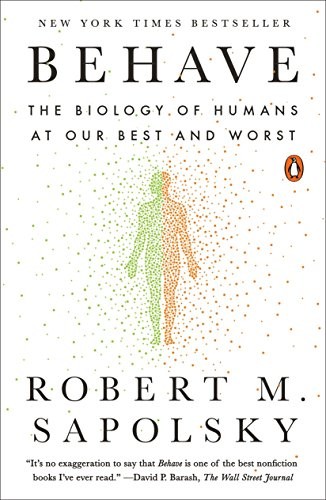
04
Behave: The Biology of Humans at Our Best and Worst
Robert M. Sapolsky · Science
Behave is Robert Sapolsky's attempt to explain why humans do what they do — the violence, the altruism, the tribalism, the heroism — by working through every layer of biology that contributes to a single act.
A kindred psychology read.
Read the summary → - The Social Animal
05
Elliot Aronson · Psychology
Elliot Aronson is one of the most influential social psychologists in the history of the field, and The Social Animal, first published in 1972 and now in its twelfth edition, is the textbook introduction to social psychology that has shaped how generations of students think about human behavior.
Both dig into social psychology.
Read the summary → - Influence, New and Expanded: The Psychology of Persuasion
06
Influence, New and Expanded: The Psychology of Persuasion
Robert B. Cialdini · Psychology
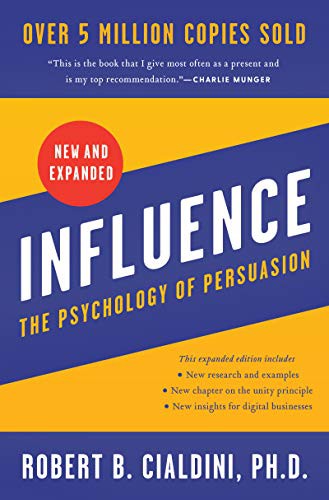
Influence, New and Expanded is the 2021 revision of Robert Cialdini's foundational 1984 work on the psychology of persuasion.
Both dig into social psychology.
Read the summary → - Obedience to Authority
07
Stanley Milgram · Psychology
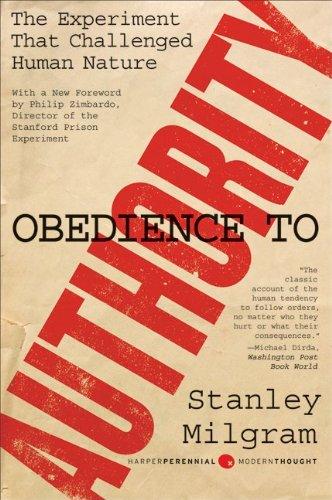
In the early 1960s, Stanley Milgram recruited ordinary people off the street and asked them to administer what they believed were increasingly severe electric shocks to another person on the orders of an experimenter in a lab coat.
Both dig into situational behavior.
Read the summary → - The Righteous Mind: Why Good People Are Divided by Politics and Religion
08
The Righteous Mind: Why Good People Are Divided by Politics and Religion
Jonathan Haidt · Psychology
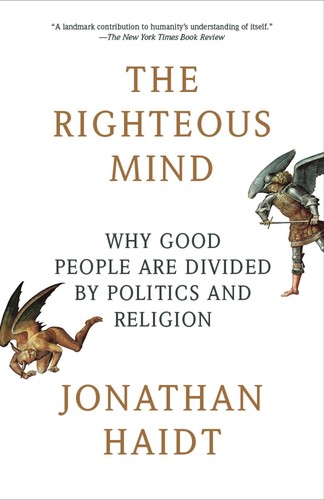
The Righteous Mind is Jonathan Haidt's argument that moral reasoning is not the source of our moral judgments — it's the press secretary for them.
Both dig into moral psychology.
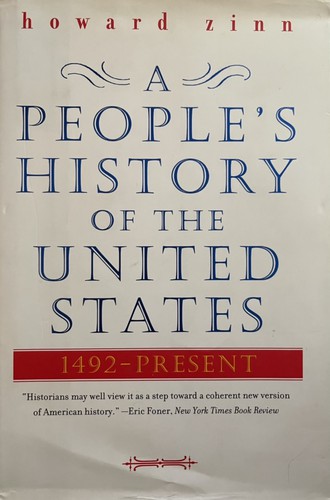
Read the summary → - A People's History of the United States
09
A People's History of the United States
Howard Zinn · History
Howard Zinn's A People's History of the United States, first published in 1980, retells American history from the perspective of those who rarely appear in conventional textbooks: Native Americans, enslaved people, industrial workers, women, immigrants, and dissidents of various kinds.
Both dig into power.
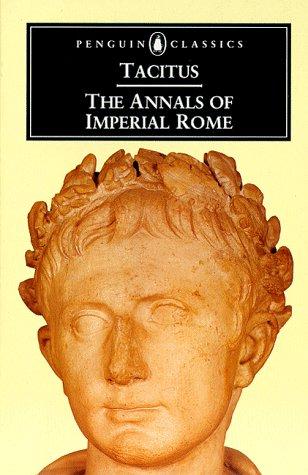
Read the summary → - Annals of Imperial Rome
10
Tacitus · History
Tacitus wrote the Annals in the early second century CE as a history of Rome from the death of Augustus to the death of Nero — the reigns of Tiberius, Caligula, Claudius, and Nero, covering roughly 14 to 68 CE.
Both dig into power.
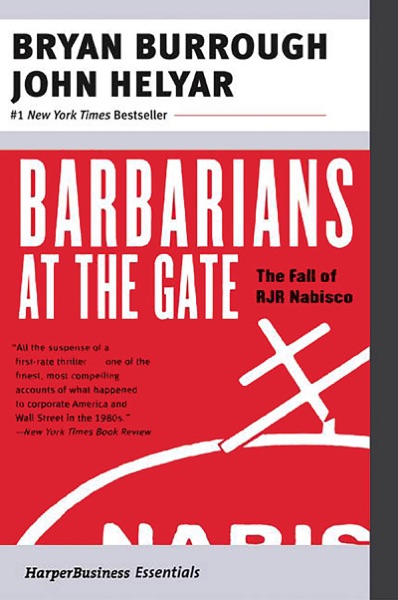
Read the summary → - Barbarians at the Gate
11
Bryan Burrough · Business
Barbarians at the Gate is Bryan Burrough and John Helyar's account of the 1988 leveraged buyout of RJR Nabisco, at the time the largest corporate transaction in history.
Both dig into power.
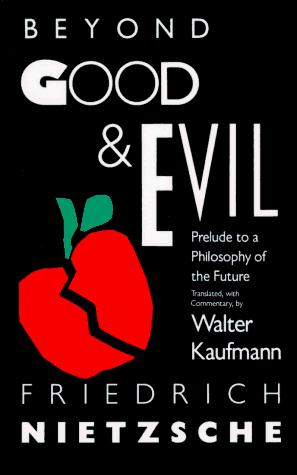
Read the summary → - Beyond Good and Evil
12
Friedrich Nietzsche · Philosophy
Beyond Good and Evil is Nietzsche's assault on the philosophical tradition he had been trained in and had grown to distrust.
Both dig into power.
Read the summary →
Books like The Lucifer Effect: Understanding How Good People Turn Evil: quick answers
What are the best books like The Lucifer Effect: Understanding How Good People Turn Evil?
The best books like The Lucifer Effect: Understanding How Good People Turn Evil by Philip Zimbardo are The Laws of Human Nature by Robert Greene, Mistakes Were Made (But Not by Me) by Carol Tavris and Elliot Aronson, The Psychopath Test by Jon Ronson, Behave: The Biology of Humans at Our Best and Worst by Robert M. Sapolsky, The Social Animal by Elliot Aronson, plus 7 more below. Each was chosen for themes it shares with The Lucifer Effect: Understanding How Good People Turn Evil, such as situational behavior, evil, social psychology.
What should I read after The Lucifer Effect: Understanding How Good People Turn Evil?
A natural next read after The Lucifer Effect: Understanding How Good People Turn Evil is The Laws of Human Nature by Robert Greene. Both dig into power. Other strong choices are Mistakes Were Made (But Not by Me) by Carol Tavris and Elliot Aronson, The Psychopath Test by Jon Ronson, Behave: The Biology of Humans at Our Best and Worst by Robert M. Sapolsky.
What books are similar to The Lucifer Effect: Understanding How Good People Turn Evil by Philip Zimbardo?
The Lucifer Effect: Understanding How Good People Turn Evil centers on situational behavior, evil, social psychology. Books with a similar feel include The Laws of Human Nature by Robert Greene, Mistakes Were Made (But Not by Me) by Carol Tavris and Elliot Aronson, The Psychopath Test by Jon Ronson, Behave: The Biology of Humans at Our Best and Worst by Robert M. Sapolsky, The Social Animal by Elliot Aronson, Influence, New and Expanded: The Psychology of Persuasion by Robert B. Cialdini — all free to read and chat with on Superbook.
