Psychology · Similar reads
Books like The Myth of Mental Illness: Foundations of a Theory of Personal Conduct
The best books like The Myth of Mental Illness: Foundations of a Theory of Personal Conduct are Anatomy of an Epidemic, The Psychopath Test, and Thinking, Fast and Slow. The Myth of Mental Illness: Foundations of a Theory of Personal Conduct by Thomas Szasz is about psychiatry, mental health, ethics. If that's what drew you in, here are 12 books that share its DNA — each summarized on Superbook, and ready to chat with in the app.
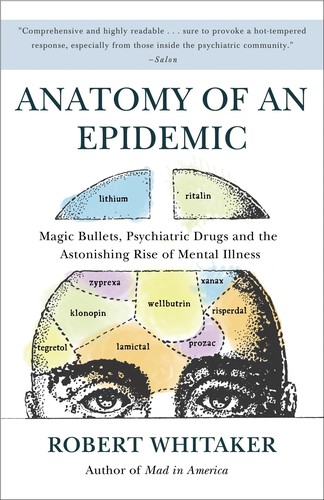
- Anatomy of an Epidemic
01
Robert Whitaker · Health
Anatomy of an Epidemic is Robert Whitaker's investigation into a paradox: as the use of psychiatric medication in the United States has increased dramatically over the past half-century, the number of people on disability due to mental illness has risen in parallel.
Both dig into psychiatry.
Read the summary → - The Psychopath Test
02
Jon Ronson · Psychology
Jon Ronson is a journalist who starts investigating a strange series of anonymous books sent to academics around the world, and ends up spending a year exploring psychopathy, the Hare Psychopathy Checklist, and the question of whether the diagnostic categories psychiatry uses are tools for understanding people or labels that do damage of their own.
Both dig into psychiatry.
Read the summary → - Thinking, Fast and Slow
03
Daniel Kahneman · Psychology
Thinking, Fast and Slow is Daniel Kahneman's account of the two cognitive systems that govern human thought.
A kindred psychology read.
Read the summary →
- Behave: The Biology of Humans at Our Best and Worst
04
Behave: The Biology of Humans at Our Best and Worst
Robert M. Sapolsky · Science
Behave is Robert Sapolsky's attempt to explain why humans do what they do — the violence, the altruism, the tribalism, the heroism — by working through every layer of biology that contributes to a single act.
A kindred psychology read.
Read the summary → - Good Reasons for Bad Feelings: Insights from the Frontier of Evolutionary Psychiatry

05
Good Reasons for Bad Feelings: Insights from the Frontier of Evolutionary Psychiatry
Randolph M. Nesse · Psychology
Randolph Nesse spent forty years as a psychiatrist and evolutionary biologist asking a question most of his colleagues found strange: why did natural selection leave us so vulnerable to anxiety, depression, and other forms of suffering?
Shares psychiatry and mental health with The Myth of Mental Illness: Foundations of a Theory of Personal Conduct.
Read the summary → - The Noonday Demon
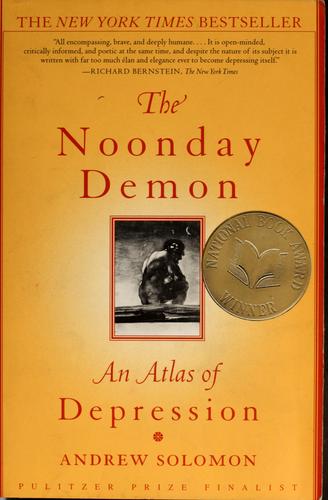
06
Andrew Solomon · Health
The Noonday Demon is Andrew Solomon's exhaustive, literary account of depression — his own experience of it, its science and treatment history, its cultural and political dimensions, and the lives of people living with it across the world.
Shares psychiatry and mental health with The Myth of Mental Illness: Foundations of a Theory of Personal Conduct.
Read the summary → - An Unquiet Mind
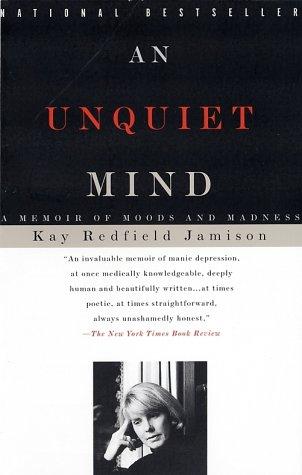
07
Kay Redfield Jamison · Psychology
Kay Redfield Jamison is a psychiatrist and professor who has manic-depressive illness.
Both dig into mental health.
Read the summary → - Stolen Focus: Why You Can't Pay Attention—and How to Think Deeply Again
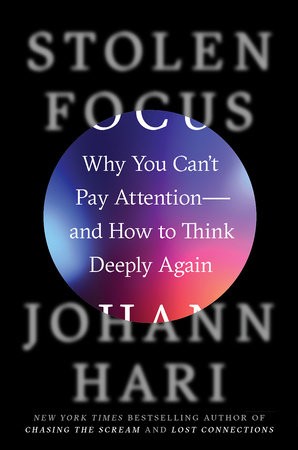
08
Stolen Focus: Why You Can't Pay Attention—and How to Think Deeply Again
Johann Hari · Psychology
Johann Hari's argument is that the collapse of attention is not a personal failing but a political crisis.
Both dig into mental health.
Read the summary → - The (Honest) Truth About Dishonesty
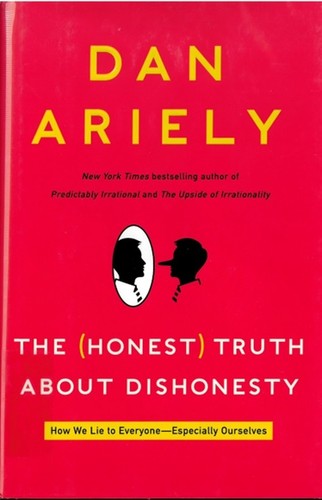
09
The (Honest) Truth About Dishonesty
Dan Ariely · Psychology
Dan Ariely is a behavioral economist at Duke who studies irrational behavior, and this book applies that framework to a question most people prefer not to examine too closely: why do people cheat?
Both dig into ethics.
Read the summary → - The Anxious Generation
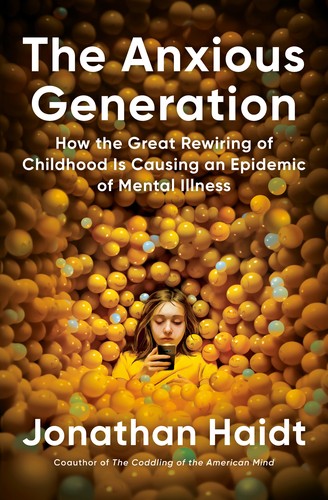
10
Jonathan Haidt · Psychology
The Anxious Generation is Jonathan Haidt's argument that a phone-based childhood — shaped above all by smartphones and social media arriving in the early 2010s — has caused a serious and measurable deterioration in the mental health of adolescents in the United States, the United Kingdom, Canada, and Australia.
Both dig into mental health.
Read the summary → - The Compassionate Mind
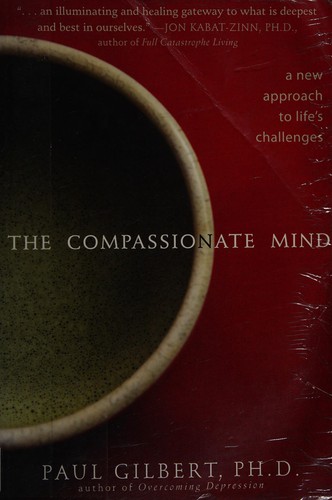
11
Paul Gilbert · Psychology
The Compassionate Mind is Paul Gilbert's comprehensive account of Compassion Focused Therapy, the approach he developed over decades of clinical work with people whose suffering was heavily compounded by shame, self-criticism, and an inability to feel comforted or to comfort themselves.
Both dig into mental health.
Read the summary → - The Perfection Trap
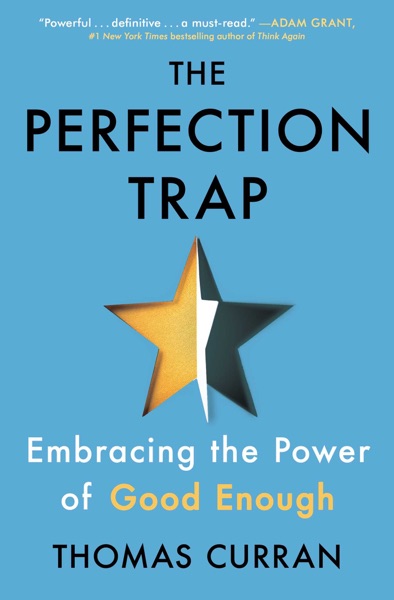
12
Thomas Curran · Psychology
The Perfection Trap is a social psychologist's case that perfectionism isn't a personality quirk or an asset but a cultural epidemic — and that rates of perfectionism have risen sharply over the past three decades, driven by specific social and economic forces.
Both dig into mental health.
Read the summary →
Books like The Myth of Mental Illness: Foundations of a Theory of Personal Conduct: quick answers
What are the best books like The Myth of Mental Illness: Foundations of a Theory of Personal Conduct?
The best books like The Myth of Mental Illness: Foundations of a Theory of Personal Conduct by Thomas Szasz are Anatomy of an Epidemic by Robert Whitaker, The Psychopath Test by Jon Ronson, Thinking, Fast and Slow by Daniel Kahneman, Behave: The Biology of Humans at Our Best and Worst by Robert M. Sapolsky, Good Reasons for Bad Feelings: Insights from the Frontier of Evolutionary Psychiatry by Randolph M. Nesse, plus 7 more below. Each was chosen for themes it shares with The Myth of Mental Illness: Foundations of a Theory of Personal Conduct, such as psychiatry, mental health, ethics.
What should I read after The Myth of Mental Illness: Foundations of a Theory of Personal Conduct?
A natural next read after The Myth of Mental Illness: Foundations of a Theory of Personal Conduct is Anatomy of an Epidemic by Robert Whitaker. Both dig into psychiatry. Other strong choices are The Psychopath Test by Jon Ronson, Thinking, Fast and Slow by Daniel Kahneman, Behave: The Biology of Humans at Our Best and Worst by Robert M. Sapolsky.
What books are similar to The Myth of Mental Illness: Foundations of a Theory of Personal Conduct by Thomas Szasz?
The Myth of Mental Illness: Foundations of a Theory of Personal Conduct centers on psychiatry, mental health, ethics. Books with a similar feel include Anatomy of an Epidemic by Robert Whitaker, The Psychopath Test by Jon Ronson, Thinking, Fast and Slow by Daniel Kahneman, Behave: The Biology of Humans at Our Best and Worst by Robert M. Sapolsky, Good Reasons for Bad Feelings: Insights from the Frontier of Evolutionary Psychiatry by Randolph M. Nesse, The Noonday Demon by Andrew Solomon — all free to read and chat with on Superbook.
