Psychology · Similar reads
Books like The Power of Moments: Why Certain Experiences Have Extraordinary Impact
The best books like The Power of Moments: Why Certain Experiences Have Extraordinary Impact are Made to Stick: Why Some Ideas Survive and Others Die, Switch, and Stumbling on Happiness. The Power of Moments: Why Certain Experiences Have Extraordinary Impact by Chip Heath and Dan Heath is about memory, experience design, connection. If that's what drew you in, here are 12 books that share its DNA — each summarized on Superbook, and ready to chat with in the app.
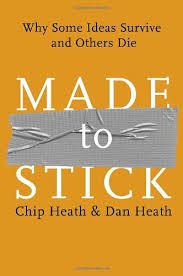
- Made to Stick: Why Some Ideas Survive and Others Die
01
Made to Stick: Why Some Ideas Survive and Others Die
Chip Heath and Dan Heath · Psychology
Made to Stick is Chip and Dan Heath's investigation into why some ideas take hold in people's minds and spread while others, equally true and well-reasoned, vanish the moment the conversation ends.
Both dig into memory.
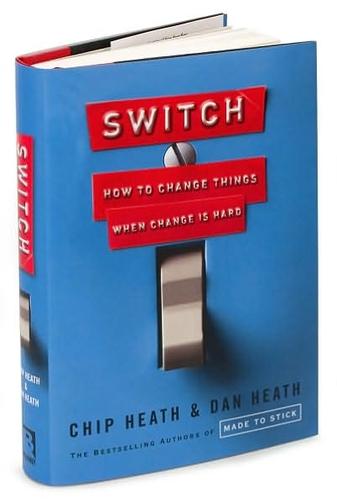
Read the summary → - Switch
02
Chip Heath and Dan Heath · Business
Switch is Chip Heath and Dan Heath's framework for understanding and overcoming the central paradox of change: people want things to be different, and yet change is consistently hard.
A kindred psychology read.
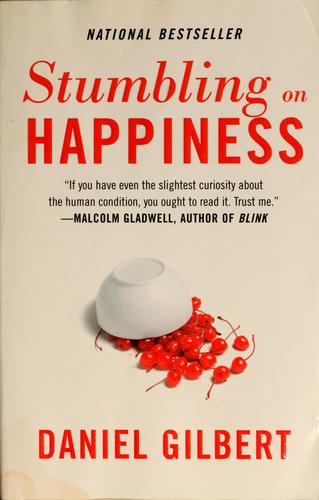
Read the summary → - Stumbling on Happiness
03
Daniel Gilbert · Psychology
Daniel Gilbert is a Harvard psychologist whose central finding, after decades of studying affective forecasting, is that humans are systematically wrong about what will make them happy.
A kindred psychology read.
Read the summary →
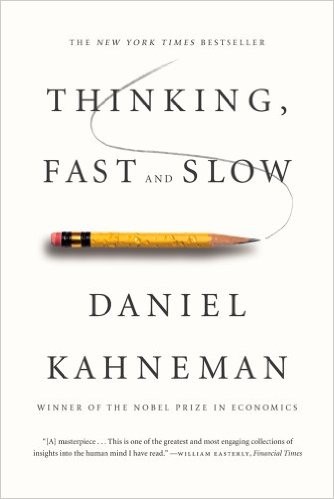
- Thinking, Fast and Slow
04
Daniel Kahneman · Psychology
Thinking, Fast and Slow is Daniel Kahneman's account of the two cognitive systems that govern human thought.
A kindred psychology read.
Read the summary → - Atlas of the Heart
05
Brené Brown · Psychology
Atlas of the Heart is Brené Brown's attempt to map eighty-seven distinct human emotions and experiences — not as a clinical taxonomy but as a practical vocabulary for people who want to communicate more precisely about what they feel.
Both dig into connection.
Read the summary → - Good Inside: A Guide to Becoming the Parent You Want to Be
06
Good Inside: A Guide to Becoming the Parent You Want to Be
Becky Kennedy · Psychology
Good Inside is clinical psychologist Becky Kennedy's guide to a parenting philosophy built around one central premise: children are fundamentally good inside, and difficult behaviors are not character flaws or manipulation but signals of unmet needs or underdeveloped skills.
Both dig into connection.
Read the summary → - I Thought It Was Just Me (but it isn't)
07
I Thought It Was Just Me (but it isn't)
Brené Brown · Psychology
I Thought It Was Just Me is Brené Brown's first major book, written from her research on shame as a social scientist.
Both dig into connection.
Read the summary → - Mistakes Were Made (But Not by Me)
08
Mistakes Were Made (But Not by Me)
Carol Tavris and Elliot Aronson · Psychology
Carol Tavris and Elliot Aronson wrote this book about the mechanisms by which people protect their sense of themselves as competent, moral, and well-intentioned after they have done something that contradicts that self-image.
Both dig into memory.
Read the summary → - Social: Why Our Brains Are Wired to Connect
09
Social: Why Our Brains Are Wired to Connect
Matthew D. Lieberman · Psychology
Matthew Lieberman is one of the founders of social neuroscience, the field that uses brain imaging and neuroscience methods to study social behavior.
Both dig into connection.
Read the summary → - Subliminal: How Your Unconscious Mind Rules Your Behavior
10
Subliminal: How Your Unconscious Mind Rules Your Behavior
Leonard Mlodinow · Psychology
Leonard Mlodinow is a theoretical physicist who writes accessible science for general audiences.
Both dig into memory.
Read the summary → - The Seven Sins of Memory
11
Daniel Schacter · Psychology
The Seven Sins of Memory is Daniel Schacter's account of the ways human memory routinely fails, organized around a taxonomy he developed to make the failures legible.
Both dig into memory.
Read the summary → - A Mind for Numbers
12
Barbara Oakley · Self-help
A Mind for Numbers is Barbara Oakley's guide to learning hard subjects effectively, written primarily for students struggling with mathematics and science but drawing on cognitive science principles that apply to any demanding field.
Both dig into memory.
Read the summary →
Books like The Power of Moments: Why Certain Experiences Have Extraordinary Impact: quick answers
What are the best books like The Power of Moments: Why Certain Experiences Have Extraordinary Impact?
The best books like The Power of Moments: Why Certain Experiences Have Extraordinary Impact by Chip Heath and Dan Heath are Made to Stick: Why Some Ideas Survive and Others Die by Chip Heath and Dan Heath, Switch by Chip Heath and Dan Heath, Stumbling on Happiness by Daniel Gilbert, Thinking, Fast and Slow by Daniel Kahneman, Atlas of the Heart by Brené Brown, plus 7 more below. Each was chosen for themes it shares with The Power of Moments: Why Certain Experiences Have Extraordinary Impact, such as memory, experience design, connection.
What should I read after The Power of Moments: Why Certain Experiences Have Extraordinary Impact?
A natural next read after The Power of Moments: Why Certain Experiences Have Extraordinary Impact is Made to Stick: Why Some Ideas Survive and Others Die by Chip Heath and Dan Heath. Both dig into memory. Other strong choices are Switch by Chip Heath and Dan Heath, Stumbling on Happiness by Daniel Gilbert, Thinking, Fast and Slow by Daniel Kahneman.
What books are similar to The Power of Moments: Why Certain Experiences Have Extraordinary Impact by Chip Heath and Dan Heath?
The Power of Moments: Why Certain Experiences Have Extraordinary Impact centers on memory, experience design, connection. Books with a similar feel include Made to Stick: Why Some Ideas Survive and Others Die by Chip Heath and Dan Heath, Switch by Chip Heath and Dan Heath, Stumbling on Happiness by Daniel Gilbert, Thinking, Fast and Slow by Daniel Kahneman, Atlas of the Heart by Brené Brown, Good Inside: A Guide to Becoming the Parent You Want to Be by Becky Kennedy — all free to read and chat with on Superbook.
