Psychology · Similar reads
Books like The Procrastination Equation
The best books like The Procrastination Equation are Atomic Habits, The Willpower Instinct, and Indistractable: How to Control Your Attention and Choose Your Life. The Procrastination Equation by Piers Steel is about procrastination, motivation, self-regulation. If that's what drew you in, here are 12 books that share its DNA — each summarized on Superbook, and ready to chat with in the app.
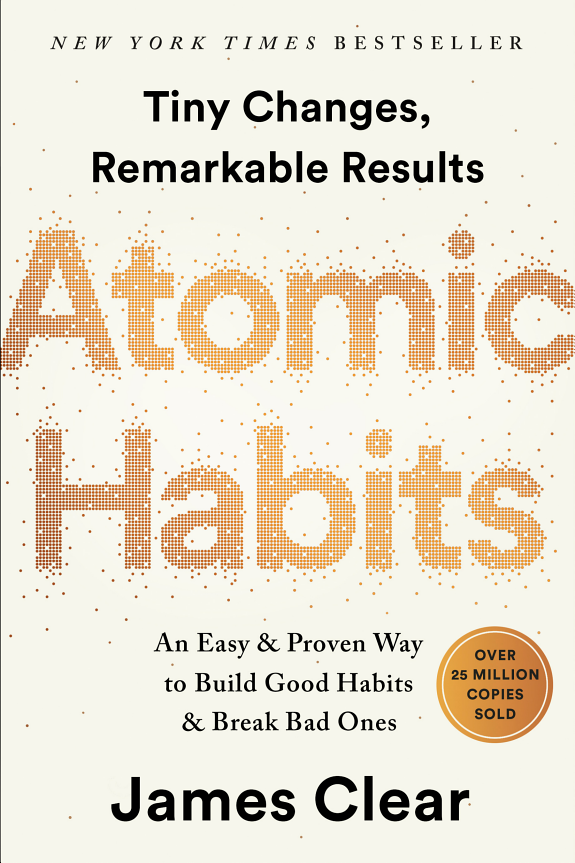
- Atomic Habits
01
James Clear · Self-help
Atomic Habits is James Clear's framework for how very small changes — habits so minor they seem to make no difference on any given day — compound into remarkable results over months and years.
Both dig into behavior change.
Read the summary → - The Willpower Instinct
02
Kelly McGonigal · Self-help
The Willpower Instinct is based on Kelly McGonigal's popular ten-week science of willpower course at Stanford University's Continuing Studies program.
A kindred psychology read.
Read the summary → - Indistractable: How to Control Your Attention and Choose Your Life
03
Indistractable: How to Control Your Attention and Choose Your Life
Nir Eyal · Self-help
Indistractable is Nir Eyal's argument that distraction is not a technology problem — it's a psychology problem.
Both dig into behavior change.
Read the summary →
- Drive: The Surprising Truth About What Motivates Us
04
Drive: The Surprising Truth About What Motivates Us
Daniel H. Pink · Psychology
Drive is Daniel Pink's argument that the motivational model most organizations still run on — reward the behavior you want, punish the behavior you don't — is badly mismatched to the kind of work that matters most in a modern economy.
Shares motivation and behavior change with The Procrastination Equation.
Read the summary → - Solving the Procrastination Puzzle
05
Solving the Procrastination Puzzle
Timothy A. Pychyl · Psychology
Solving the Procrastination Puzzle is Timothy Pychyl's short, research-grounded guide to understanding and overcoming procrastination.
Shares procrastination and self-regulation with The Procrastination Equation.
Read the summary → - Eat That Frog!
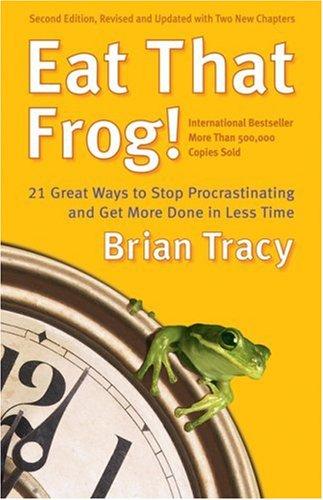
06
Brian Tracy · Self-help
Eat That Frog!
Shares procrastination and productivity with The Procrastination Equation.
Read the summary → - Mini Habits
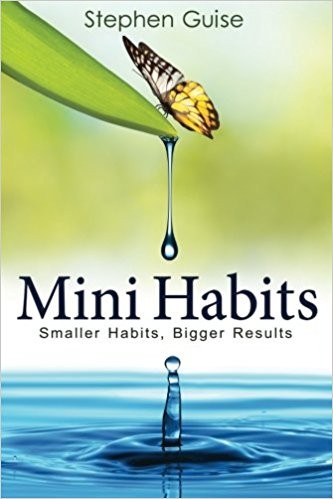
07
Stephen Guise · Self-help
Mini Habits is Stephen Guise's case for starting habits so small they are almost impossible to fail.
Shares motivation and behavior change with The Procrastination Equation.
Read the summary → - Smarter Faster Better
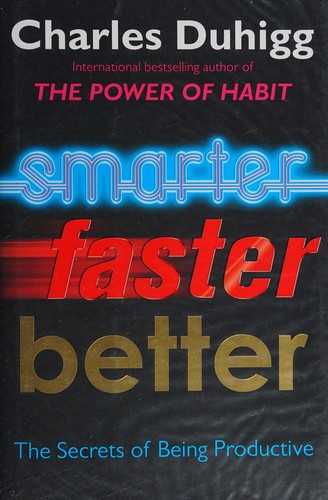
08
Charles Duhigg · Self-help
Smarter Faster Better is Duhigg's follow-up to The Power of Habit, turning from habitual behavior to the science of productive decision-making and sustained motivation.
Shares motivation and productivity with The Procrastination Equation.
Read the summary → - Switch
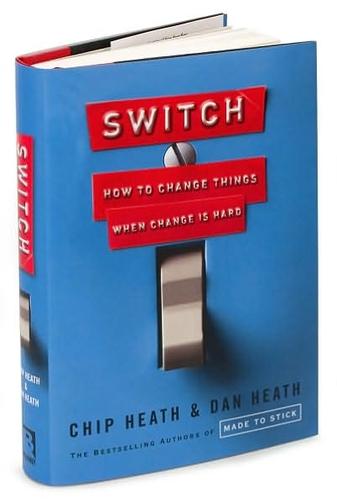
09
Chip Heath and Dan Heath · Business
Switch is Chip Heath and Dan Heath's framework for understanding and overcoming the central paradox of change: people want things to be different, and yet change is consistently hard.
Shares motivation and behavior change with The Procrastination Equation.
Read the summary → - The Action Habit
10
Alexander Heyne · Self-help
The Action Habit is Alexander Heyne's short, direct book about the gap between knowing what to do and actually doing it.
Shares procrastination and motivation with The Procrastination Equation.
Read the summary → - The Now Habit
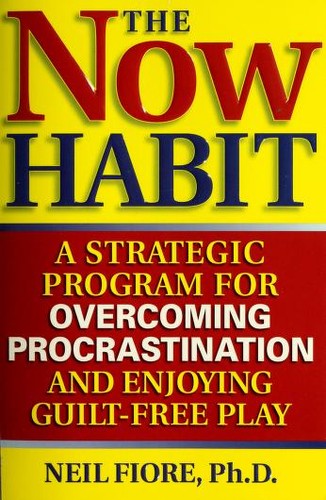
11
Neil Fiore · Self-help
The Now Habit is psychologist Neil Fiore's reframe of procrastination as a coping mechanism rather than a character flaw.
Shares procrastination and productivity with The Procrastination Equation.
Read the summary → - Tiny Habits: The Small Changes That Change Everything
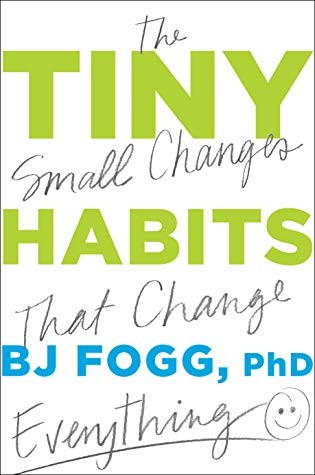
12
Tiny Habits: The Small Changes That Change Everything
BJ Fogg · Self-help
Tiny Habits is BJ Fogg's distillation of more than two decades of research at Stanford's Behavior Design Lab.
Shares motivation and behavior change with The Procrastination Equation.
Read the summary →
Books like The Procrastination Equation: quick answers
What are the best books like The Procrastination Equation?
The best books like The Procrastination Equation by Piers Steel are Atomic Habits by James Clear, The Willpower Instinct by Kelly McGonigal, Indistractable: How to Control Your Attention and Choose Your Life by Nir Eyal, Drive: The Surprising Truth About What Motivates Us by Daniel H. Pink, Solving the Procrastination Puzzle by Timothy A. Pychyl, plus 7 more below. Each was chosen for themes it shares with The Procrastination Equation, such as procrastination, motivation, self-regulation.
What should I read after The Procrastination Equation?
A natural next read after The Procrastination Equation is Atomic Habits by James Clear. Both dig into behavior change. Other strong choices are The Willpower Instinct by Kelly McGonigal, Indistractable: How to Control Your Attention and Choose Your Life by Nir Eyal, Drive: The Surprising Truth About What Motivates Us by Daniel H. Pink.
What books are similar to The Procrastination Equation by Piers Steel?
The Procrastination Equation centers on procrastination, motivation, self-regulation. Books with a similar feel include Atomic Habits by James Clear, The Willpower Instinct by Kelly McGonigal, Indistractable: How to Control Your Attention and Choose Your Life by Nir Eyal, Drive: The Surprising Truth About What Motivates Us by Daniel H. Pink, Solving the Procrastination Puzzle by Timothy A. Pychyl, Eat That Frog! by Brian Tracy — all free to read and chat with on Superbook.
