Economics · Similar reads
Books like The Warren Buffett Portfolio
The best books like The Warren Buffett Portfolio are The Intelligent Investor, The Snowball: Warren Buffett and the Business of Life, and The Essays of Warren Buffett. The Warren Buffett Portfolio by Robert G. Hagstrom is about value investing, portfolio concentration, long-term thinking. If that's what drew you in, here are 12 books that share its DNA — each summarized on Superbook, and ready to chat with in the app.
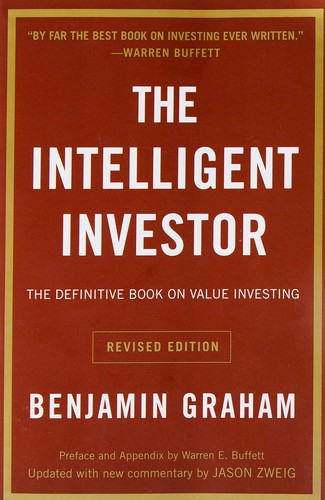
- The Intelligent Investor
01
Benjamin Graham · Economics
The Intelligent Investor is Benjamin Graham's case that successful investing has less to do with picking the right stocks than with managing your own behavior.
Shares value investing and long-term thinking with The Warren Buffett Portfolio.
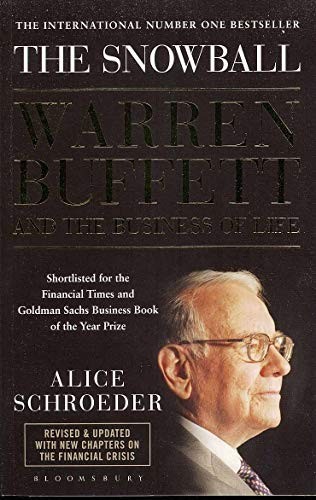
Read the summary → - The Snowball: Warren Buffett and the Business of Life
02
The Snowball: Warren Buffett and the Business of Life
Alice Schroeder · Biography
The Snowball is Alice Schroeder's authorized biography of Warren Buffett, written with his cooperation and based on hundreds of hours of interviews with him and the people who have known him across his life.
Both dig into value investing.
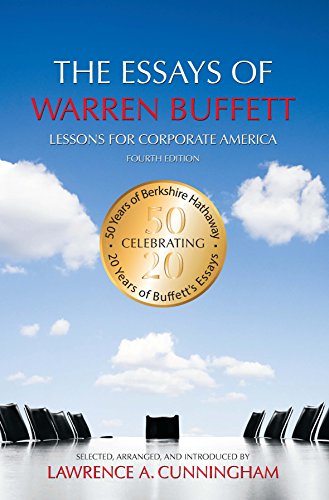
Read the summary → - The Essays of Warren Buffett
03
Warren Buffett · Economics
The Essays of Warren Buffett is Lawrence Cunningham's thematic compilation of Warren Buffett's annual letters to Berkshire Hathaway shareholders, spanning from the 1970s through the year of publication.
Shares value investing and long-term thinking with The Warren Buffett Portfolio.
Read the summary →
- Common Stocks and Uncommon Profits
04
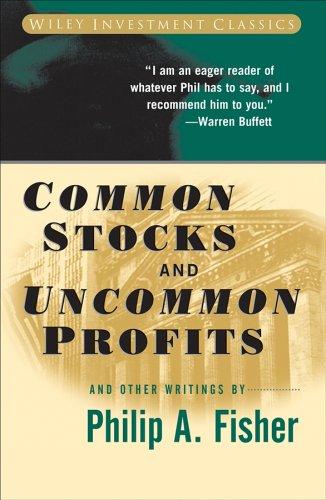
Common Stocks and Uncommon Profits
Philip A. Fisher · Economics
Common Stocks and Uncommon Profits is Philip Fisher's argument that the best investment returns come from identifying great companies — those with strong management, excellent products, and durable competitive positions — and holding them for very long periods.
Both dig into business analysis.
Read the summary → - Thinking, Fast and Slow
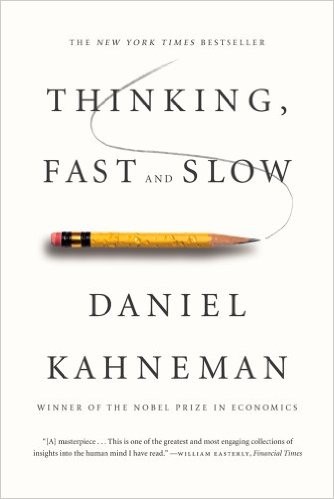
05
Daniel Kahneman · Psychology
Thinking, Fast and Slow is Daniel Kahneman's account of the two cognitive systems that govern human thought.
A kindred economics read.
Read the summary → - The Warren Buffett Way
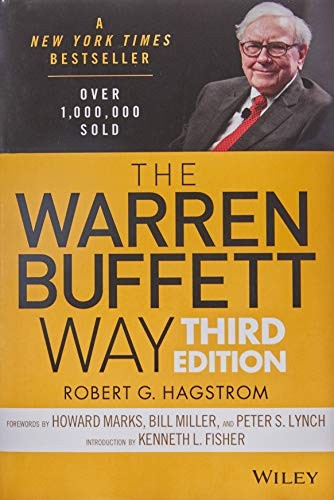
06
Robert G. Hagstrom · Business
The Warren Buffett Way is Robert Hagstrom's systematic account of how Warren Buffett thinks about investing.
Shares value investing and long-term thinking with The Warren Buffett Portfolio.
Read the summary → - Buffettology
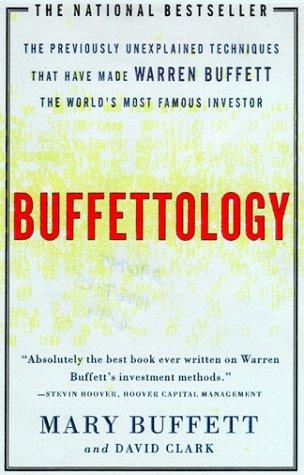
07
Mary Buffett · Economics
Buffettology is Mary Buffett and David Clark's attempt to systematize Warren Buffett's investment approach by working backward from decisions he made over several decades.
Shares value investing and business analysis with The Warren Buffett Portfolio.
Read the summary → - Margin of Safety
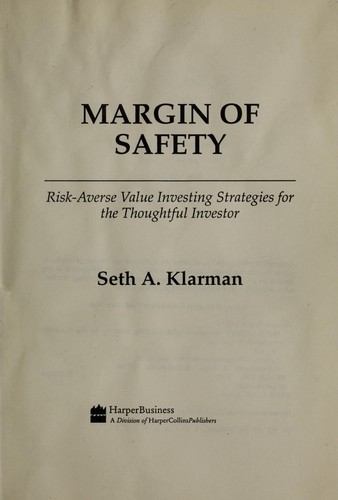
08
Seth Klarman · Economics
Margin of Safety is Seth Klarman's 1991 treatise on value investing, subtitled "Risk-Averse Value Investing Strategies for the Thoughtful Investor." The book has never been reprinted and used copies sell for hundreds to thousands of dollars, giving it a near-mythical status among serious investors.
Shares value investing and investor psychology with The Warren Buffett Portfolio.
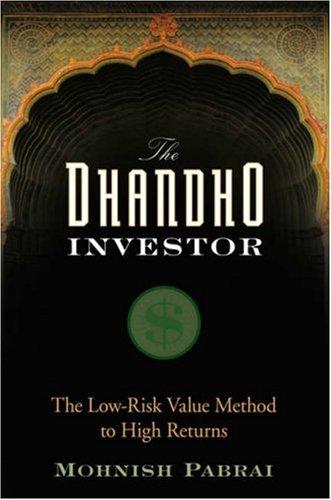
Read the summary → - The Dhandho Investor
09
Mohnish Pabrai · Economics
The Dhandho Investor is Mohnish Pabrai's application of value investing principles through the lens of "dhandho" — a Gujarati word roughly translating to business and wealth creation conducted with minimal risk.
Shares value investing and business analysis with The Warren Buffett Portfolio.
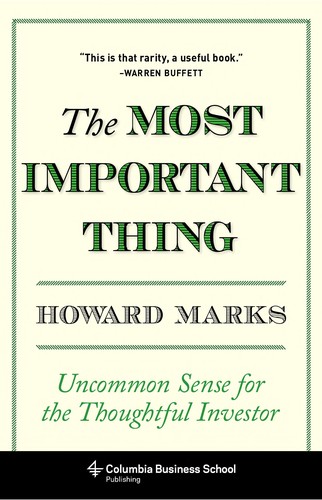
Read the summary → - The Most Important Thing
10
Howard Marks · Economics
The Most Important Thing is Howard Marks's collection of investment insights drawn from his decades of memos to Oaktree Capital clients — memos that became famous in investment circles for their clarity, depth, and willingness to address the psychological dimensions of investing that most practitioners avoid.
Shares value investing and investor psychology with The Warren Buffett Portfolio.
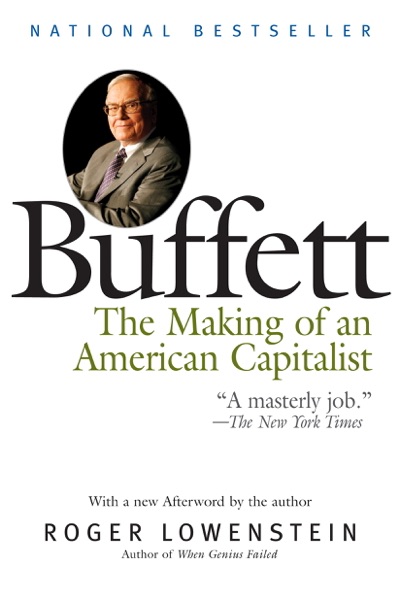
Read the summary → - Buffett: The Making of an American Capitalist
11
Buffett: The Making of an American Capitalist
Roger Lowenstein · Biography
Roger Lowenstein's Buffett is the definitive account of Warren Buffett's life up to the mid-1990s, when his investment record had already made him one of the wealthiest people on earth.
Shares value investing and long-term thinking with The Warren Buffett Portfolio.
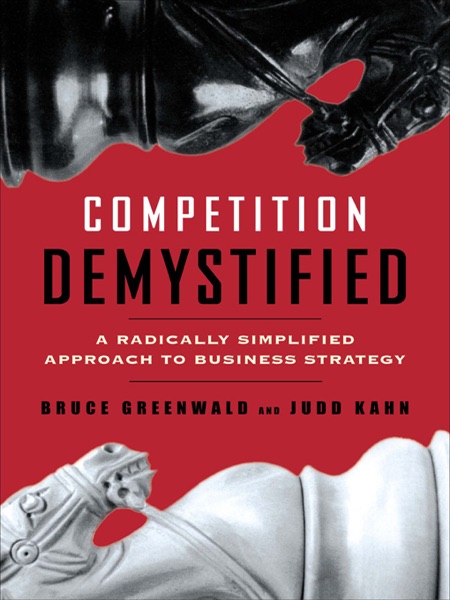
Read the summary → - Competition Demystified
12
Bruce Greenwald and Judd Kahn · Business
Competition Demystified is Bruce Greenwald and Judd Kahn's deliberate simplification of competitive strategy — a counterweight to the complexity of the Porter Five Forces framework, which they argue gives strategists too many variables and not enough analytical clarity.
Shares value investing and business analysis with The Warren Buffett Portfolio.
Read the summary →
Books like The Warren Buffett Portfolio: quick answers
What are the best books like The Warren Buffett Portfolio?
The best books like The Warren Buffett Portfolio by Robert G. Hagstrom are The Intelligent Investor by Benjamin Graham, The Snowball: Warren Buffett and the Business of Life by Alice Schroeder, The Essays of Warren Buffett by Warren Buffett, Common Stocks and Uncommon Profits by Philip A. Fisher, Thinking, Fast and Slow by Daniel Kahneman, plus 7 more below. Each was chosen for themes it shares with The Warren Buffett Portfolio, such as value investing, portfolio concentration, long-term thinking.
What should I read after The Warren Buffett Portfolio?
A natural next read after The Warren Buffett Portfolio is The Intelligent Investor by Benjamin Graham. Shares value investing and long-term thinking with The Warren Buffett Portfolio. Other strong choices are The Snowball: Warren Buffett and the Business of Life by Alice Schroeder, The Essays of Warren Buffett by Warren Buffett, Common Stocks and Uncommon Profits by Philip A. Fisher.
What books are similar to The Warren Buffett Portfolio by Robert G. Hagstrom?
The Warren Buffett Portfolio centers on value investing, portfolio concentration, long-term thinking. Books with a similar feel include The Intelligent Investor by Benjamin Graham, The Snowball: Warren Buffett and the Business of Life by Alice Schroeder, The Essays of Warren Buffett by Warren Buffett, Common Stocks and Uncommon Profits by Philip A. Fisher, Thinking, Fast and Slow by Daniel Kahneman, The Warren Buffett Way by Robert G. Hagstrom — all free to read and chat with on Superbook.
