Economics · Similar reads
Books like Why Nations Fail: The Origins of Power, Prosperity, and Poverty
The best books like Why Nations Fail: The Origins of Power, Prosperity, and Poverty are Sapiens: A Brief History of Humankind, Guns, Germs, and Steel, and 21 Lessons for the 21st Century. Why Nations Fail: The Origins of Power, Prosperity, and Poverty by Daron Acemoglu and James A. Robinson is about institutions, political economy, development. If that's what drew you in, here are 12 books that share its DNA — each summarized on Superbook, and ready to chat with in the app.
- Sapiens: A Brief History of Humankind

01
Sapiens: A Brief History of Humankind
Yuval Noah Harari · History
Sapiens traces the full arc of human history from the emergence of Homo sapiens in Africa roughly 70,000 years ago to the present.
Both dig into power.
Read the summary → - Guns, Germs, and Steel
02
Jared Diamond · Science
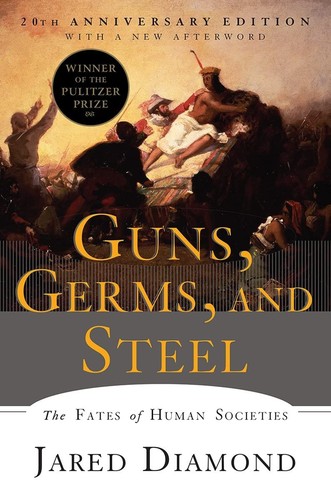
Guns, Germs, and Steel is Jared Diamond's attempt to answer a question posed to him by a Papua New Guinean politician named Yali: why did Europeans end up with so much cargo — wealth, technology, power — while other peoples had comparatively little?
Both dig into inequality.
Read the summary → - 21 Lessons for the 21st Century
03
21 Lessons for the 21st Century
Yuval Noah Harari · Philosophy
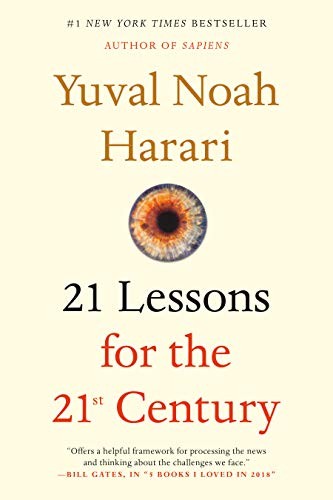
Where Sapiens traced humanity's past and Homo Deus speculated about its future, 21 Lessons for the 21st Century plants itself in the present.
A kindred economics read.
Read the summary →
- Homo Deus: A Brief History of Tomorrow

04
Homo Deus: A Brief History of Tomorrow
Yuval Noah Harari · History
Homo Deus picks up where Sapiens left off, but turns to face the other direction.
A kindred economics read.
Read the summary → - The Shock Doctrine: The Rise of Disaster Capitalism
05
The Shock Doctrine: The Rise of Disaster Capitalism
Naomi Klein · History
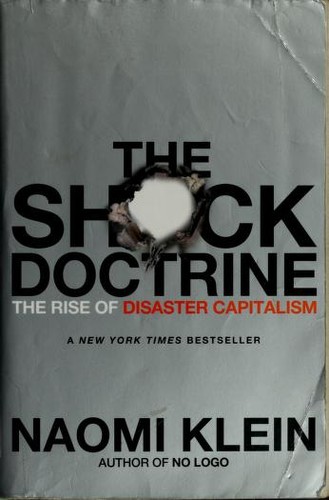
Naomi Klein's The Shock Doctrine, published in 2007, argues that free-market economic policies — privatization, deregulation, cuts to social spending — have historically been implemented not through democratic persuasion but by exploiting crises and disasters that leave populations too disoriented and traumatized to resist.
Shares political economy and power with Why Nations Fail: The Origins of Power, Prosperity, and Poverty.
Read the summary → - Goliath
06
Matt Stoller · Economics
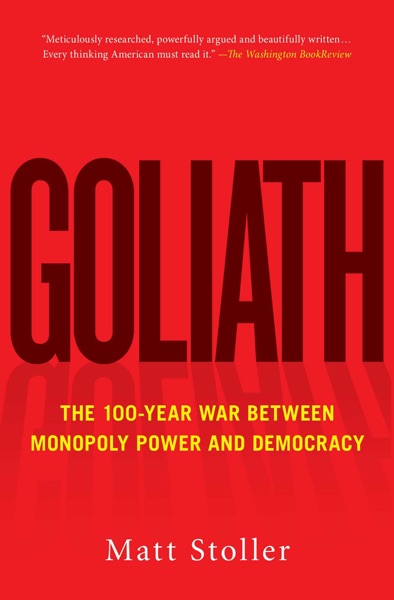
Goliath is Matt Stoller's history of monopoly power in America, arguing that the concentration of corporate power in the late twentieth and early twenty-first centuries is not a novel development but a return to a pattern that Americans once recognized as a fundamental threat to democratic governance — and successfully resisted through antitrust law.
Both dig into political economy.
Read the summary → - Poverty, by America

07
Matthew Desmond · Economics
Poverty, by America is Matthew Desmond's follow-up to Evicted, and it makes a more explicit and polemical argument: poverty in the United States is not a natural condition or a problem of insufficient resources.
Both dig into inequality.
Read the summary → - The Divide

08
Jason Hickel · Economics
The Divide is Jason Hickel's argument that global poverty is not a natural condition that development has failed to fully remedy, but a product of policies — colonial extraction, debt regimes, trade rules, and structural adjustment — that wealthy countries have imposed on poor ones.
Both dig into development.
Read the summary → - The Great Transformation
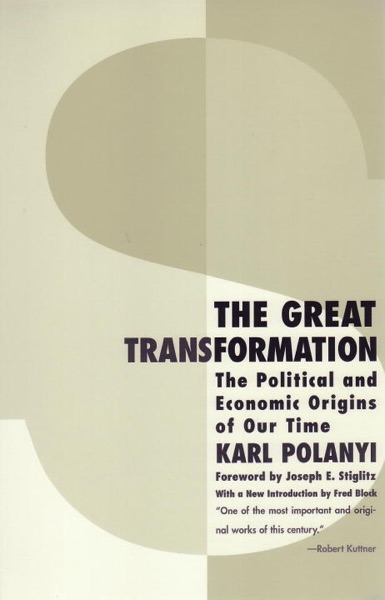
09
Karl Polanyi · Economics
The Great Transformation is Karl Polanyi's 1944 account of how a self-regulating market economy emerged in nineteenth-century England, what social catastrophe that emergence caused, and why the market society created its own political reaction.
Both dig into political economy.
Read the summary → - The Rise and Fall of American Growth
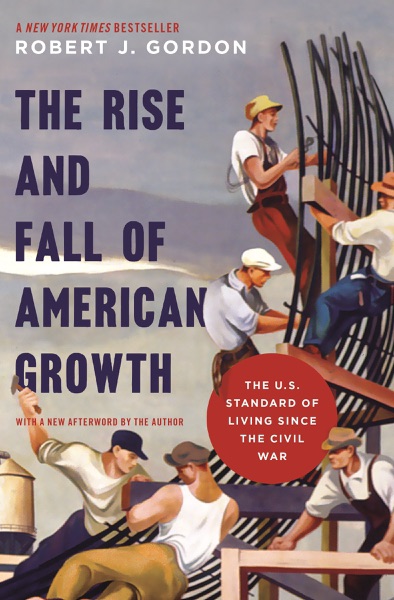
10
The Rise and Fall of American Growth
Robert J. Gordon · Economics
Robert Gordon's argument is one of the most carefully constructed and most contested in recent economics: that the period from 1870 to 1970 was a singular century of transformative invention, and that we have been living with the deceleration ever since.
Both dig into inequality.
Read the summary → - The Second Machine Age

11
Erik Brynjolfsson and Andrew McAfee · Economics
The Second Machine Age is Erik Brynjolfsson and Andrew McAfee's argument that digital technology has entered a qualitatively new phase — one in which machines can perform cognitive tasks previously reserved for humans, creating economic disruption and opportunity simultaneously.
Both dig into inequality.
Read the summary → - The Wealth of Nations
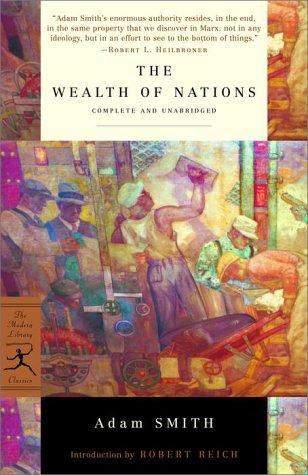
12
Adam Smith · Economics
An Inquiry into the Nature and Causes of the Wealth of Nations, published in 1776, is Adam Smith's comprehensive account of how modern commercial economies work and what policies promote prosperity.
Both dig into political economy.
Read the summary →
Books like Why Nations Fail: The Origins of Power, Prosperity, and Poverty: quick answers
What are the best books like Why Nations Fail: The Origins of Power, Prosperity, and Poverty?
The best books like Why Nations Fail: The Origins of Power, Prosperity, and Poverty by Daron Acemoglu and James A. Robinson are Sapiens: A Brief History of Humankind by Yuval Noah Harari, Guns, Germs, and Steel by Jared Diamond, 21 Lessons for the 21st Century by Yuval Noah Harari, Homo Deus: A Brief History of Tomorrow by Yuval Noah Harari, The Shock Doctrine: The Rise of Disaster Capitalism by Naomi Klein, plus 7 more below. Each was chosen for themes it shares with Why Nations Fail: The Origins of Power, Prosperity, and Poverty, such as institutions, political economy, development.
What should I read after Why Nations Fail: The Origins of Power, Prosperity, and Poverty?
A natural next read after Why Nations Fail: The Origins of Power, Prosperity, and Poverty is Sapiens: A Brief History of Humankind by Yuval Noah Harari. Both dig into power. Other strong choices are Guns, Germs, and Steel by Jared Diamond, 21 Lessons for the 21st Century by Yuval Noah Harari, Homo Deus: A Brief History of Tomorrow by Yuval Noah Harari.
What books are similar to Why Nations Fail: The Origins of Power, Prosperity, and Poverty by Daron Acemoglu and James A. Robinson?
Why Nations Fail: The Origins of Power, Prosperity, and Poverty centers on institutions, political economy, development. Books with a similar feel include Sapiens: A Brief History of Humankind by Yuval Noah Harari, Guns, Germs, and Steel by Jared Diamond, 21 Lessons for the 21st Century by Yuval Noah Harari, Homo Deus: A Brief History of Tomorrow by Yuval Noah Harari, The Shock Doctrine: The Rise of Disaster Capitalism by Naomi Klein, Goliath by Matt Stoller — all free to read and chat with on Superbook.
