Economics · Similar reads
Books like Portfolios of the Poor
The best books like Portfolios of the Poor are Dead Aid: Why Aid Is Not Working and How There Is a Better Way for Africa, Poverty, by America, and The Wealth and Poverty of Nations. Portfolios of the Poor by Daryl Collins, Jonathan Morduch, Stuart Rutherford, and Orlanda Ruthven is about poverty and finance, financial behavior, microfinance. If that's what drew you in, here are 12 books that share its DNA — each summarized on Superbook, and ready to chat with in the app.
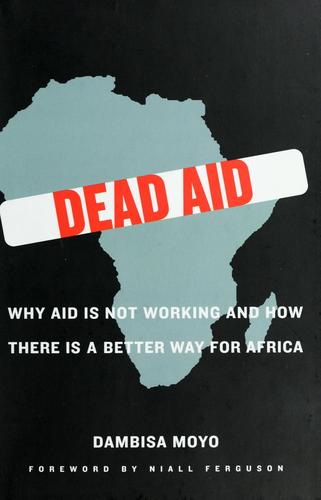
- Dead Aid: Why Aid Is Not Working and How There Is a Better Way for Africa
01
Dead Aid: Why Aid Is Not Working and How There Is a Better Way for Africa
Dambisa Moyo · Economics
Dead Aid is Dambisa Moyo's argument that the system of aid flowing from rich countries and multilateral institutions to sub-Saharan Africa has not only failed to generate growth but has actively made things worse.
A kindred economics read.
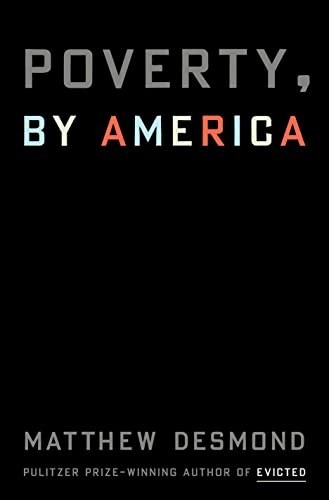
Read the summary → - Poverty, by America
02
Matthew Desmond · Economics
Poverty, by America is Matthew Desmond's follow-up to Evicted, and it makes a more explicit and polemical argument: poverty in the United States is not a natural condition or a problem of insufficient resources.
A kindred economics read.
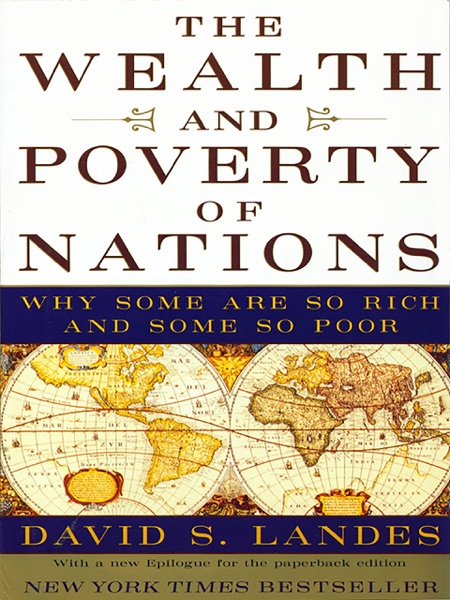
Read the summary → - The Wealth and Poverty of Nations
03
The Wealth and Poverty of Nations
David S. Landes · History
The Wealth and Poverty of Nations is David Landes's 1998 attempt to answer one of economic history's central questions: why are some nations rich and others poor?
A kindred economics read.
Read the summary →
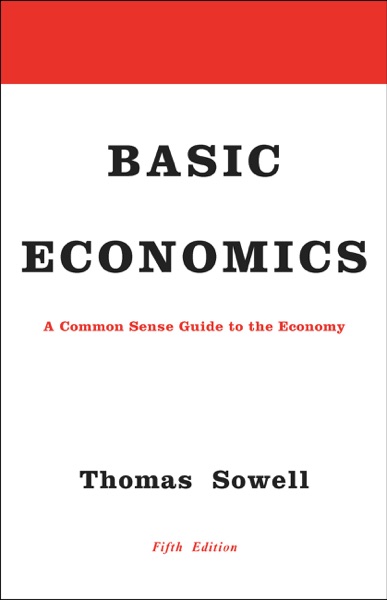
- Basic Economics: A Common Sense Guide to the Economy
04
Basic Economics: A Common Sense Guide to the Economy
Thomas Sowell · Economics
Thomas Sowell published the first edition of Basic Economics in 2000 and has since revised and expanded it through five editions.
A kindred economics read.
Read the summary → - The Bottom Billion: Why the Poorest Countries Are Failing and What Can Be Done About It
05
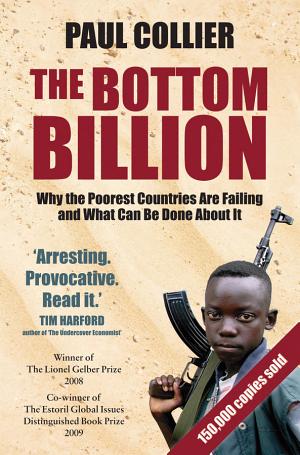
The Bottom Billion: Why the Poorest Countries Are Failing and What Can Be Done About It
Paul Collier · Economics
Paul Collier spent two decades as a development economist at the World Bank and Oxford before writing The Bottom Billion, and the book reflects that experience in a specific way: rather than offering a unified theory of why poor countries stay poor, it offers a careful, empirically grounded account of the different mechanisms — the traps — that keep the roughly fifty countries and one billion people in the most severe and persistent poverty from breaking out.
Both dig into development economics.
Read the summary → - The Tyranny of Experts
06
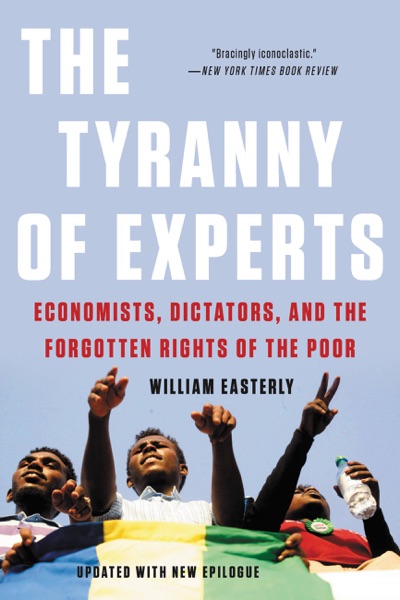
William Easterly · Economics
William Easterly spent years at the World Bank before concluding that international development as practiced by the major institutions is not only ineffective but actively harmful — harmful not primarily because it fails to deliver growth, though it frequently does, but because it suppresses the rights and agency of the people it claims to help.
Both dig into development economics.
Read the summary → - The White Man's Burden: Why the West's Efforts to Aid the Rest Have Done So Much Ill and So Little Good
07
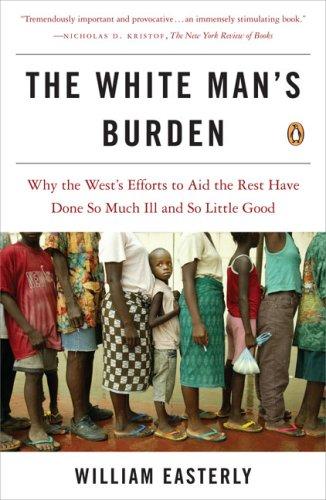
William Easterly · Economics
William Easterly spent two decades as a research economist at the World Bank before writing The White Man's Burden, and that institutional experience gives his critique of the development industry a quality that most outside critiques lack: he knows exactly how the machine works and why it produces what it does.
Both dig into development economics.
Read the summary → - 100 to 1 in the Stock Market
08
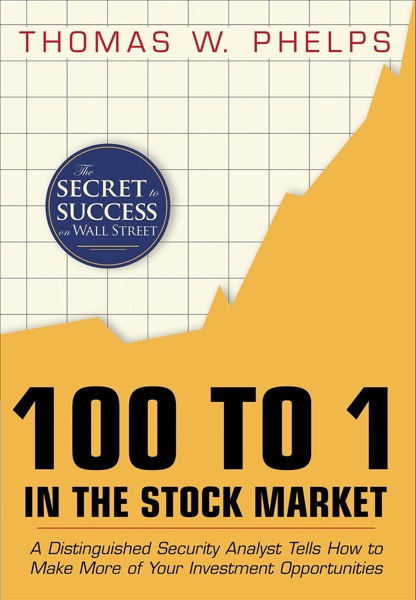
Thomas Phelps · Economics
100 to 1 in the Stock Market, published in 1972 by Thomas Phelps, is a study of the conditions under which stocks return one hundred times an investor's original investment — and an argument that such stocks are more common and more identifiable in advance than most investors believe.
A kindred economics read.
Read the summary → - A Random Walk Down Wall Street
09
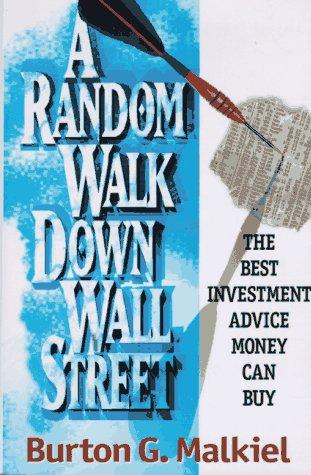
A Random Walk Down Wall Street
Burton G. Malkiel · Economics
A Random Walk Down Wall Street is Burton Malkiel's argument that stock prices move in a way that is effectively unpredictable, that professional fund managers cannot consistently beat the market, and that the rational response for most investors is to buy and hold a diversified index fund.
A kindred economics read.
Read the summary → - A Short History of Financial Euphoria
10
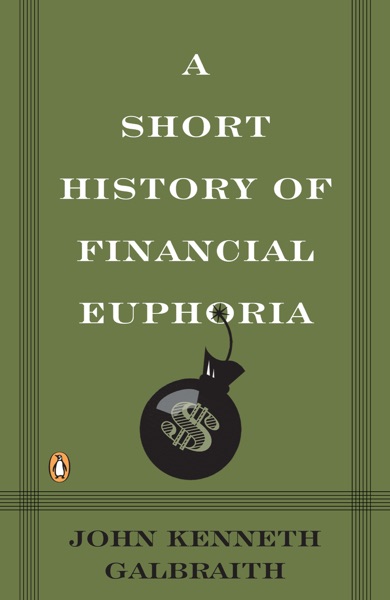
A Short History of Financial Euphoria
John Kenneth Galbraith · Economics
A Short History of Financial Euphoria is John Kenneth Galbraith's compressed account of speculative bubbles from the tulip mania of 1630s Holland through the 1987 US stock market crash.
A kindred economics read.
Read the summary → - A Wealth of Common Sense
11
Ben Carlson · Economics
A Wealth of Common Sense is Ben Carlson's argument that individual investors outperform most professionals not by being smarter but by doing fewer things and making fewer mistakes.
A kindred economics read.
Read the summary → - All About Asset Allocation
12
Richard A. Ferri · Economics
All About Asset Allocation is Richard Ferri's systematic guide to building and maintaining a diversified investment portfolio.
A kindred economics read.
Read the summary →
Books like Portfolios of the Poor: quick answers
What are the best books like Portfolios of the Poor?
The best books like Portfolios of the Poor by Daryl Collins, Jonathan Morduch, Stuart Rutherford, and Orlanda Ruthven are Dead Aid: Why Aid Is Not Working and How There Is a Better Way for Africa by Dambisa Moyo, Poverty, by America by Matthew Desmond, The Wealth and Poverty of Nations by David S. Landes, Basic Economics: A Common Sense Guide to the Economy by Thomas Sowell, The Bottom Billion: Why the Poorest Countries Are Failing and What Can Be Done About It by Paul Collier, plus 7 more below. Each was chosen for themes it shares with Portfolios of the Poor, such as poverty and finance, financial behavior, microfinance.
What should I read after Portfolios of the Poor?
A natural next read after Portfolios of the Poor is Dead Aid: Why Aid Is Not Working and How There Is a Better Way for Africa by Dambisa Moyo. A kindred economics read. Other strong choices are Poverty, by America by Matthew Desmond, The Wealth and Poverty of Nations by David S. Landes, Basic Economics: A Common Sense Guide to the Economy by Thomas Sowell.
What books are similar to Portfolios of the Poor by Daryl Collins, Jonathan Morduch, Stuart Rutherford, and Orlanda Ruthven?
Portfolios of the Poor centers on poverty and finance, financial behavior, microfinance. Books with a similar feel include Dead Aid: Why Aid Is Not Working and How There Is a Better Way for Africa by Dambisa Moyo, Poverty, by America by Matthew Desmond, The Wealth and Poverty of Nations by David S. Landes, Basic Economics: A Common Sense Guide to the Economy by Thomas Sowell, The Bottom Billion: Why the Poorest Countries Are Failing and What Can Be Done About It by Paul Collier, The Tyranny of Experts by William Easterly — all free to read and chat with on Superbook.
