
Reading list · 8 books
Howard Marks's reading list
Co-founder of Oaktree Capital and author of "The Most Important Thing" and "Mastering the Cycle." His Oaktree memos are mandatory reading on Wall Street — Warren Buffett has said they're the first thing he opens. Marks is known for distilling market history and investor psychology into a tight canon of foundational books.
-
01
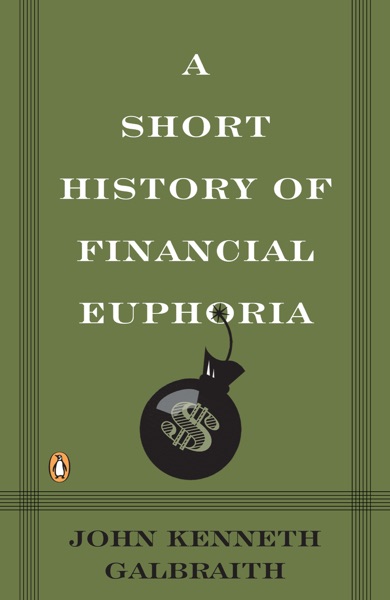
A Short History of Financial Euphoria
John Kenneth Galbraith
Marks calls it "extremely important," saying it taught him about cycles, euphoria and the pendulum swing of human psychology; he recommends it to everybody and notes it's thin enough to read easily.
-
02
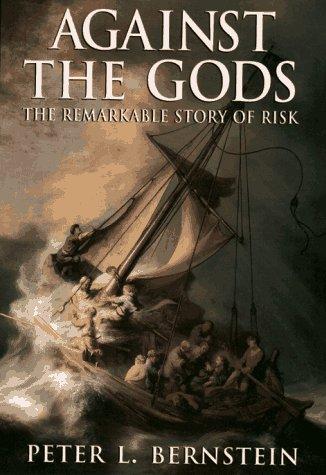
Against the Gods: The Remarkable Story of Risk
Peter L. Bernstein
One of the three foundational books on markets Marks repeatedly names; a history of how humanity learned to understand and price risk.
-
03
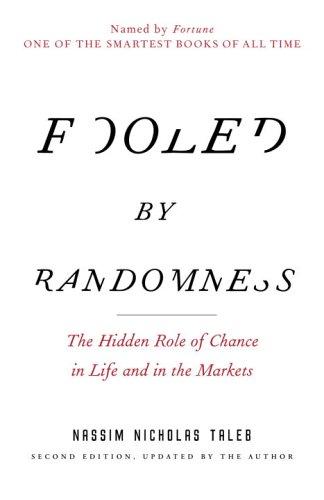
Nassim Nicholas Taleb
Marks says it has "some very, very valuable ideas" about how randomness is confused with skill, and calls it the best starting point for Taleb's work.
-
Read these with Superbook
Chat with any book on this list — ask questions, get answers tuned to you.
-
04
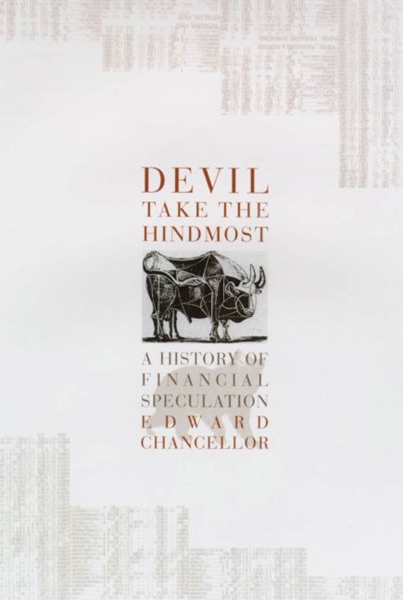
Devil Take the Hindmost: A History of Financial Speculation
Edward Chancellor
Marks credits this history of speculative bubbles as the seed of his January 2000 "bubble.com" memo that called the dot-com top.
-
05
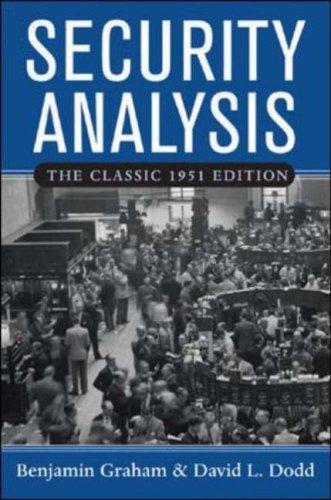
Benjamin Graham
Marks recommends the Graham-Dodd value-investing bible as essential reading for serious investors.
-
06
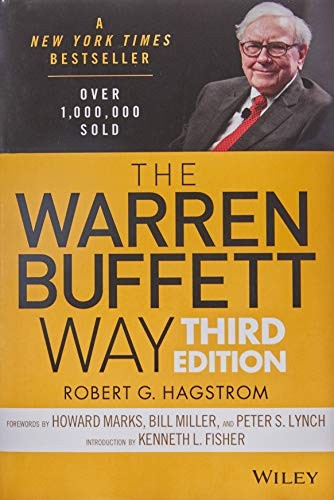
Robert G. Hagstrom
Recommended by Marks as a valuable guide to Buffett's investing approach.
-
07
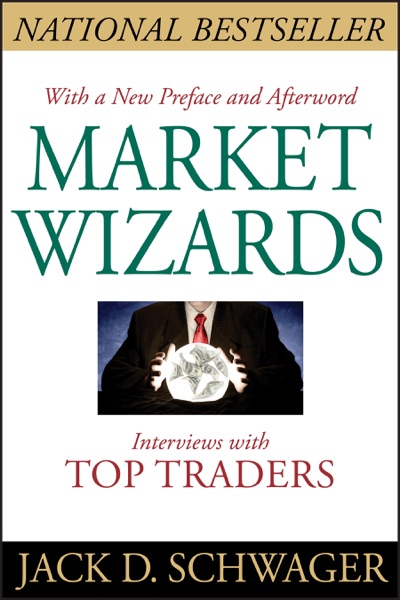
Jack D. Schwager
Marks names Schwager's interviews with top traders among his recommended reads.
-
08
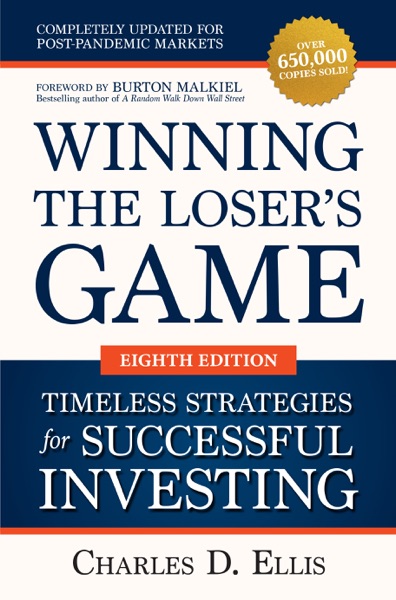
Charles D. Ellis
Recommended by Marks; its "avoid the losers and the winners take care of themselves" logic mirrors Oaktree's own philosophy.
More on Howard Marks's picks
Marks repeatedly points to a small set of "foundational" books on markets, cycles, and randomness rather than a sprawling list. He cites them in interviews (e.g., with Investec) and in "The Most Important Thing." He's open that Edward Chancellor's "Devil Take the Hindmost" seeded his famous January 2000 dot-com warning memo, and that "A Short History of Financial Euphoria" shaped his thinking on cycles and the pendulum of psychology.
