Science · Similar reads
Books like A Philosophy of Software Design
The best books like A Philosophy of Software Design are The Art of Doing Science and Engineering, An Elegant Puzzle, and The Pragmatic Programmer. A Philosophy of Software Design by John Ousterhout is about software complexity, system design, programming. If that's what drew you in, here are 12 books that share its DNA — each summarized on Superbook, and ready to chat with in the app.
- The Art of Doing Science and Engineering
01
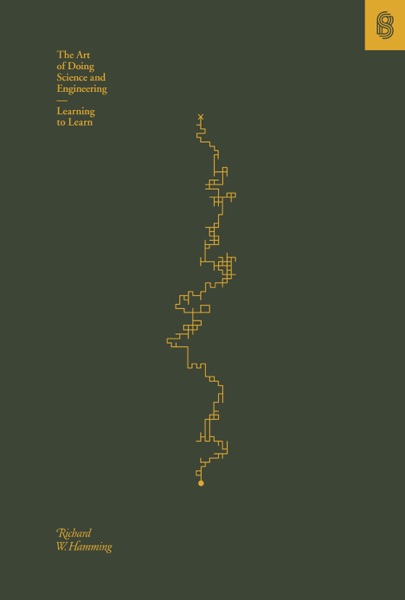
The Art of Doing Science and Engineering
Richard Hamming · Science
Richard Hamming's book is based on a course he taught at the Naval Postgraduate School in the late 1980s, after a long career at Bell Labs where he made foundational contributions to information theory and computer science — the Hamming distance, Hamming codes, and various contributions to numerical methods all bear his name.
A kindred science read.
Read the summary → - An Elegant Puzzle
02
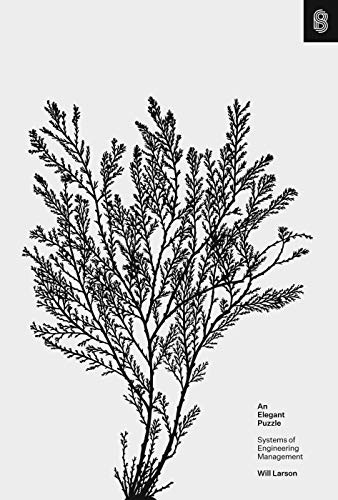
Will Larson · Business
An Elegant Puzzle is Will Larson's guide to the craft of engineering management, written from his experience leading engineering teams at Digg, Uber, and Stripe.
A kindred science read.
Read the summary → - The Pragmatic Programmer
03
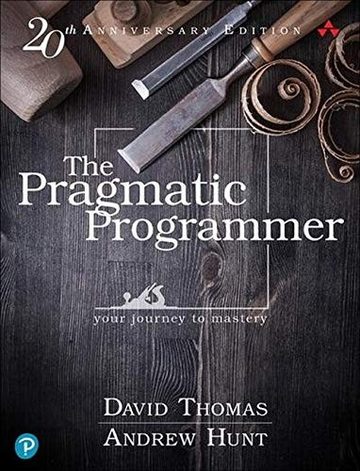
David Thomas and Andrew Hunt · Science
The Pragmatic Programmer is David Thomas and Andrew Hunt's distillation of what separates journeyman coders from craftsmen who consistently ship good work over long careers.
A kindred science read.
Read the summary →
- Code: The Hidden Language of Computer Hardware and Software
04
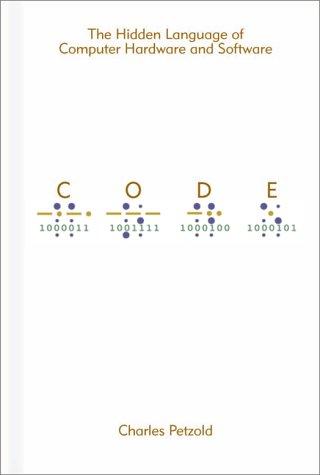
Code: The Hidden Language of Computer Hardware and Software
Charles Petzold · Science
Code is Charles Petzold's explanation of how computers work, built from first principles.
Both dig into programming.
Read the summary → - Point and Line to Plane
05
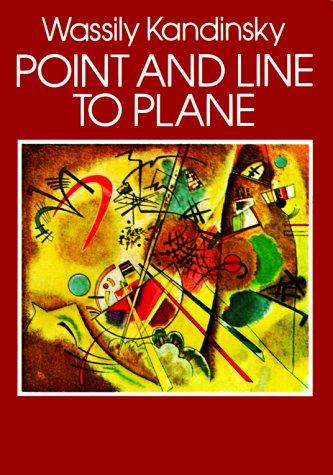
Wassily Kandinsky · Philosophy
Point and Line to Plane is Wassily Kandinsky's systematic attempt to build a grammar of visual art from the ground up.
Both dig into abstraction.
Read the summary → - A Brief History of Time
06
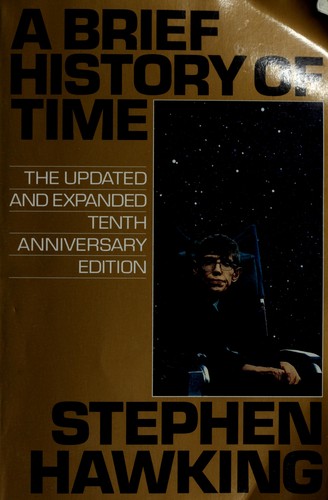
Stephen Hawking · Science
A Brief History of Time is Stephen Hawking's attempt to explain the biggest questions in physics — where the universe came from, how it behaves, and where it might be going — to readers with no scientific training.
A kindred science read.
Read the summary → - A Crack in Creation: Gene Editing and the Unthinkable Power to Control Evolution
07
A Crack in Creation: Gene Editing and the Unthinkable Power to Control Evolution
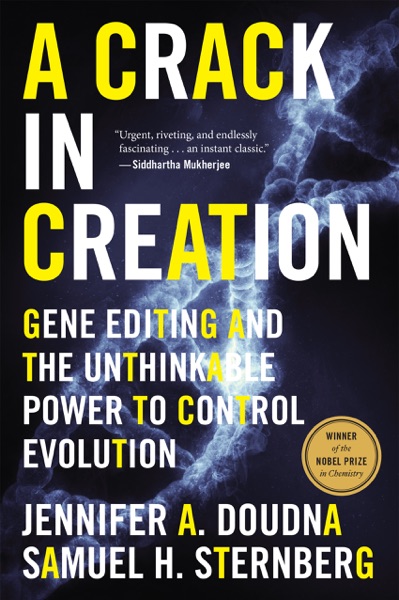
Jennifer A. Doudna and Samuel H. Sternberg · Science
A Crack in Creation is Jennifer Doudna and Samuel Sternberg's account of how CRISPR-Cas9 works, what it can do, and why its possibilities should give everyone pause.
A kindred science read.
Read the summary → - A Pattern Language
08
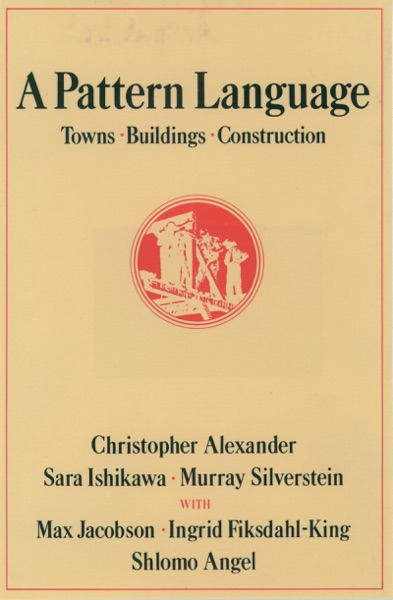
Christopher Alexander · Science
A Pattern Language is an extraordinary attempt to describe, in systematic form, the conditions that make human habitats feel alive.
A kindred science read.
Read the summary → - A Short History of Nearly Everything
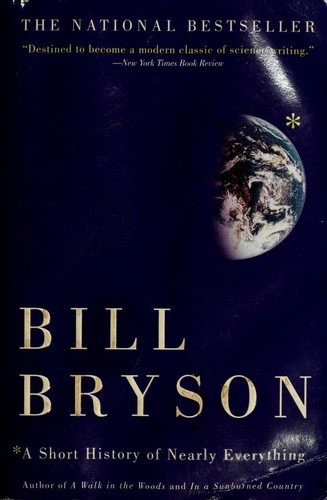
09
A Short History of Nearly Everything
Bill Bryson · Science
A Short History of Nearly Everything is Bill Bryson's attempt to understand the scientific story of everything — from the Big Bang to the emergence of modern humans — by spending three years talking to scientists and reading science history.
A kindred science read.
Read the summary → - A Universe from Nothing
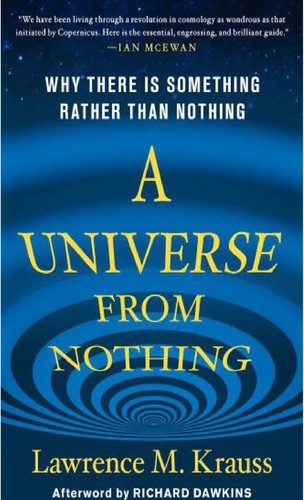
10
Lawrence M. Krauss · Science
A Universe from Nothing is Lawrence Krauss's argument that modern physics has resolved, or at least reframed, the ancient philosophical question of why there is something rather than nothing.
A kindred science read.
Read the summary → - A World Without Ice
11
Henry Pollack · Science
Henry Pollack is a geophysicist at the University of Michigan who spent decades studying the Earth's heat flow and was a contributing author to the Intergovernmental Panel on Climate Change.
A kindred science read.
Read the summary → - About Face: The Essentials of Interaction Design
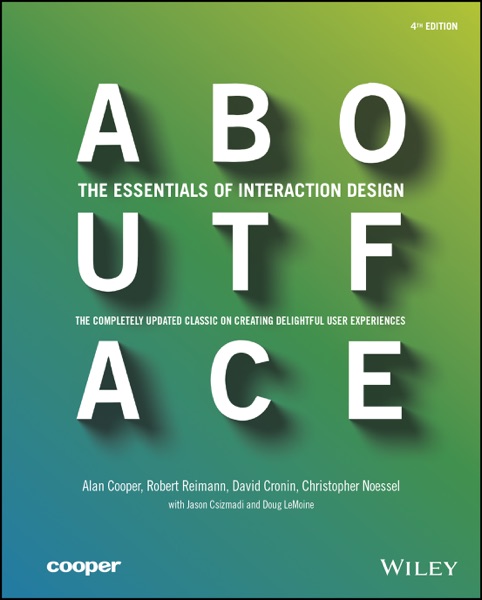
12
About Face: The Essentials of Interaction Design
Alan Cooper · Science
Alan Cooper's About Face, first published in 1995 and revised through multiple editions, is the foundational text of interaction design as a professional discipline.
A kindred science read.
Read the summary →
Books like A Philosophy of Software Design: quick answers
What are the best books like A Philosophy of Software Design?
The best books like A Philosophy of Software Design by John Ousterhout are The Art of Doing Science and Engineering by Richard Hamming, An Elegant Puzzle by Will Larson, The Pragmatic Programmer by David Thomas and Andrew Hunt, Code: The Hidden Language of Computer Hardware and Software by Charles Petzold, Point and Line to Plane by Wassily Kandinsky, plus 7 more below. Each was chosen for themes it shares with A Philosophy of Software Design, such as software complexity, system design, programming.
What should I read after A Philosophy of Software Design?
A natural next read after A Philosophy of Software Design is The Art of Doing Science and Engineering by Richard Hamming. A kindred science read. Other strong choices are An Elegant Puzzle by Will Larson, The Pragmatic Programmer by David Thomas and Andrew Hunt, Code: The Hidden Language of Computer Hardware and Software by Charles Petzold.
What books are similar to A Philosophy of Software Design by John Ousterhout?
A Philosophy of Software Design centers on software complexity, system design, programming. Books with a similar feel include The Art of Doing Science and Engineering by Richard Hamming, An Elegant Puzzle by Will Larson, The Pragmatic Programmer by David Thomas and Andrew Hunt, Code: The Hidden Language of Computer Hardware and Software by Charles Petzold, Point and Line to Plane by Wassily Kandinsky, A Brief History of Time by Stephen Hawking — all free to read and chat with on Superbook.
