Science · Similar reads
Books like The Book of Why
The best books like The Book of Why are Thinking, Fast and Slow, The Signal and the Noise, and The Art of Statistics: How to Learn from Data. The Book of Why by Judea Pearl is about causality, statistics, artificial intelligence. If that's what drew you in, here are 12 books that share its DNA — each summarized on Superbook, and ready to chat with in the app.
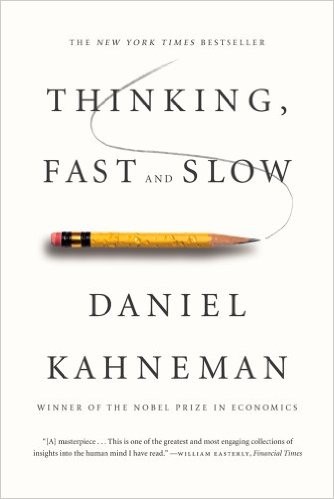
- Thinking, Fast and Slow
01
Daniel Kahneman · Psychology
Thinking, Fast and Slow is Daniel Kahneman's account of the two cognitive systems that govern human thought.
A kindred science read.
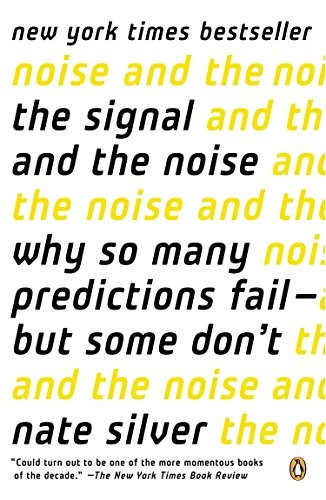
Read the summary → - The Signal and the Noise
02
Nate Silver · Science
Nate Silver made his reputation predicting baseball statistics and then political elections.
A kindred science read.
Read the summary → - The Art of Statistics: How to Learn from Data
03
The Art of Statistics: How to Learn from Data
David Spiegelhalter · Science
David Spiegelhalter is one of Britain's most prominent statisticians, and this book is his attempt to translate statistical thinking for a general audience without dumbing it down.
Both dig into statistics.
Read the summary →
- How Not to Be Wrong: The Power of Mathematical Thinking
04
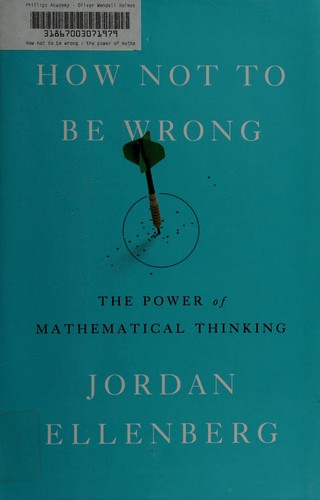
How Not to Be Wrong: The Power of Mathematical Thinking
Jordan Ellenberg · Science
Jordan Ellenberg is a research mathematician who writes as if mathematics is something you would want to think about over dinner.
A kindred science read.
Read the summary → - Atlas of AI
05
Kate Crawford · Science
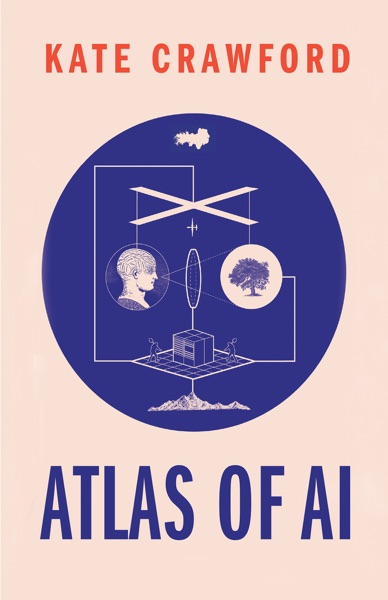
Atlas of AI is Kate Crawford's account of what artificial intelligence actually is — not a disembodied intelligence but a physical system built from extracted minerals, underpaid labor, vast energy consumption, and accumulated data taken largely without meaningful consent.
Both dig into artificial intelligence.
Read the summary → - Bad Science
06
Ben Goldacre · Science
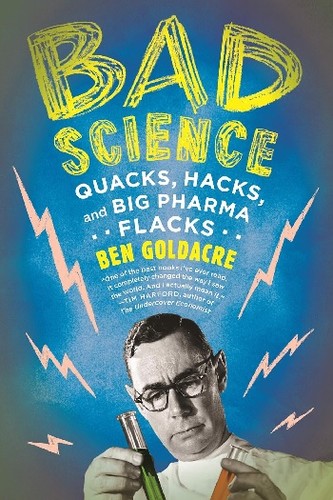
Bad Science is Ben Goldacre's dissection of how scientific evidence gets misrepresented, distorted, and invented in the service of selling health products, generating media coverage, and protecting bad actors from accountability.
Both dig into statistics.
Read the summary → - Deep Learning
07
Ian Goodfellow, Yoshua Bengio, and Aaron Courville · Science
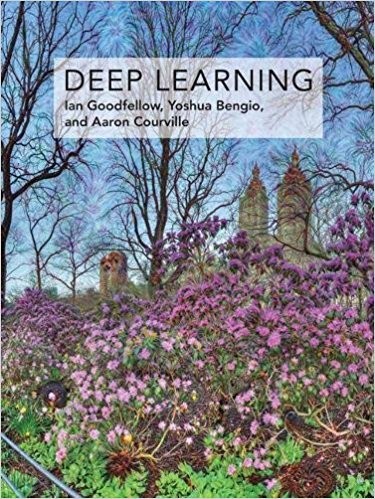
Deep Learning by Ian Goodfellow, Yoshua Bengio, and Aaron Courville is the standard graduate-level textbook on the mathematical and computational foundations of deep neural networks.
Both dig into artificial intelligence.
Read the summary → - Gödel, Escher, Bach
08
Douglas Hofstadter · Science
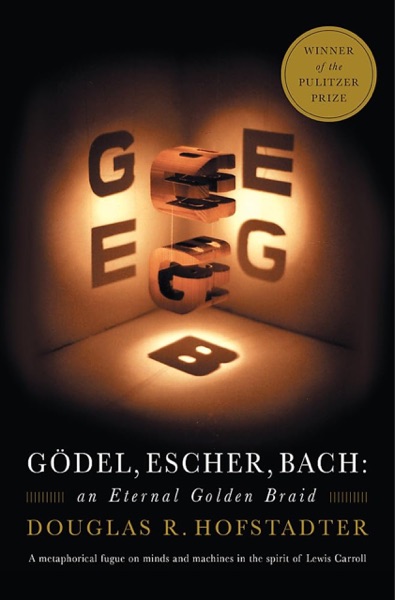
Douglas Hofstadter's Pulitzer Prize-winning debut, published in 1979, asks how meaning can arise from formal rules — how a biological machine can think, feel, and experience self-awareness.
Both dig into artificial intelligence.
Read the summary → - How to Create a Mind
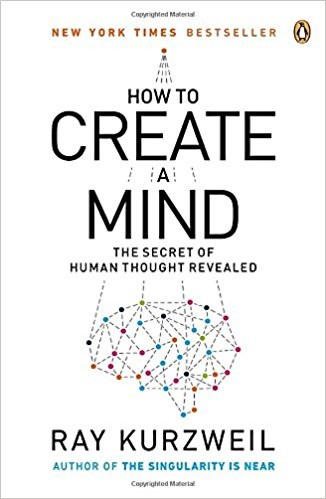
09
Ray Kurzweil · Science
Ray Kurzweil's central claim in How to Create a Mind is that the neocortex — the part of the brain responsible for higher thought — operates on a single repeating algorithm called the pattern recognition theory of mind.
Both dig into artificial intelligence.
Read the summary → - Human Compatible: Artificial Intelligence and the Problem of Control
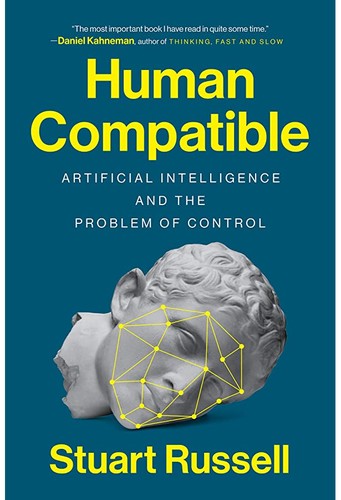
10
Human Compatible: Artificial Intelligence and the Problem of Control
Stuart Russell · Science
Human Compatible is Stuart Russell's argument, from inside mainstream AI research, that the standard model of AI — build a system that optimizes for a fixed objective — is the wrong approach, and that the transition to much more capable AI systems requires a fundamental change in how AI is designed.
Both dig into artificial intelligence.
Read the summary → - Life 3.0: Being Human in the Age of Artificial Intelligence
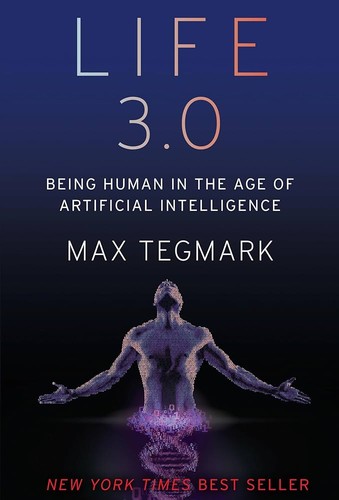
11
Life 3.0: Being Human in the Age of Artificial Intelligence
Max Tegmark · Science
Life 3.0 is Max Tegmark's accessible survey of the questions raised by the prospect of human-level and superhuman artificial intelligence: What are the plausible paths to AGI?
Both dig into artificial intelligence.
Read the summary → - Superintelligence: Paths, Dangers, Strategies
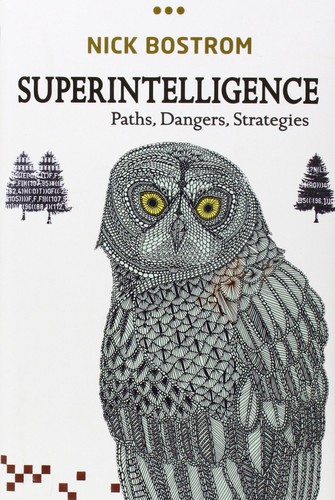
12
Superintelligence: Paths, Dangers, Strategies
Nick Bostrom · Science
Superintelligence is Oxford philosopher Nick Bostrom's systematic analysis of what might happen if artificial intelligence systems become more capable than humans — and why that transition might represent one of the most significant risks in human history.
Both dig into artificial intelligence.
Read the summary →
Books like The Book of Why: quick answers
What are the best books like The Book of Why?
The best books like The Book of Why by Judea Pearl are Thinking, Fast and Slow by Daniel Kahneman, The Signal and the Noise by Nate Silver, The Art of Statistics: How to Learn from Data by David Spiegelhalter, How Not to Be Wrong: The Power of Mathematical Thinking by Jordan Ellenberg, Atlas of AI by Kate Crawford, plus 7 more below. Each was chosen for themes it shares with The Book of Why, such as causality, statistics, artificial intelligence.
What should I read after The Book of Why?
A natural next read after The Book of Why is Thinking, Fast and Slow by Daniel Kahneman. A kindred science read. Other strong choices are The Signal and the Noise by Nate Silver, The Art of Statistics: How to Learn from Data by David Spiegelhalter, How Not to Be Wrong: The Power of Mathematical Thinking by Jordan Ellenberg.
What books are similar to The Book of Why by Judea Pearl?
The Book of Why centers on causality, statistics, artificial intelligence. Books with a similar feel include Thinking, Fast and Slow by Daniel Kahneman, The Signal and the Noise by Nate Silver, The Art of Statistics: How to Learn from Data by David Spiegelhalter, How Not to Be Wrong: The Power of Mathematical Thinking by Jordan Ellenberg, Atlas of AI by Kate Crawford, Bad Science by Ben Goldacre — all free to read and chat with on Superbook.
