Science · Similar reads
Books like Six Easy Pieces
The best books like Six Easy Pieces are Surely You're Joking, Mr. Feynman!, Genius: The Life and Science of Richard Feynman, and A Brief History of Time. Six Easy Pieces by Richard P. Feynman is about physics, atoms, quantum mechanics. If that's what drew you in, here are 12 books that share its DNA — each summarized on Superbook, and ready to chat with in the app.
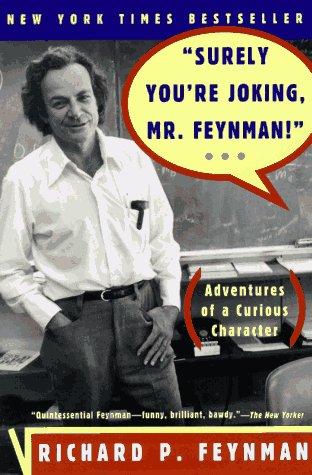
- Surely You're Joking, Mr. Feynman!
01
Surely You're Joking, Mr. Feynman!
Richard P. Feynman · Memoir
Surely You're Joking, Mr.
Both dig into physics.
Read the summary → - Genius: The Life and Science of Richard Feynman
02
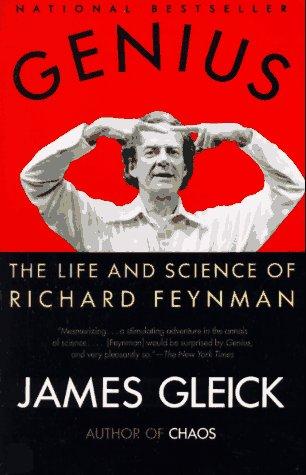
Genius: The Life and Science of Richard Feynman
James Gleick · Biography
Genius is James Gleick's biography of Richard Feynman, the Nobel Prize-winning physicist who developed quantum electrodynamics, cracked safes at Los Alamos, played bongo drums in bars, and became the twentieth century's most celebrated scientific personality.
Both dig into physics.
Read the summary → - A Brief History of Time
03
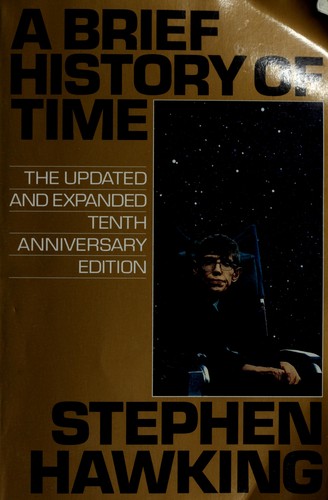
Stephen Hawking · Science
A Brief History of Time is Stephen Hawking's attempt to explain the biggest questions in physics — where the universe came from, how it behaves, and where it might be going — to readers with no scientific training.
Both dig into quantum mechanics.
Read the summary →
- Astrophysics for People in a Hurry
04
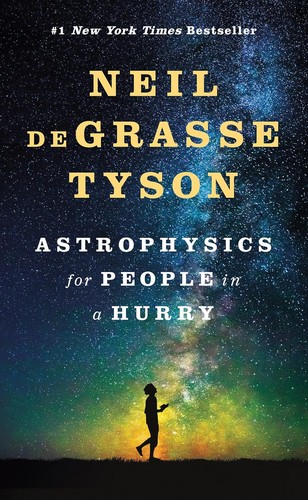
Astrophysics for People in a Hurry
Neil deGrasse Tyson · Science
Astrophysics for People in a Hurry is Neil deGrasse Tyson's deliberately compact introduction to the biggest ideas in modern astrophysics.
A kindred science read.
Read the summary → - A Short History of Nearly Everything
05
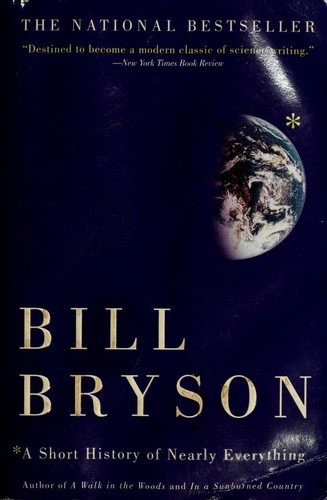
A Short History of Nearly Everything
Bill Bryson · Science
A Short History of Nearly Everything is Bill Bryson's attempt to understand the scientific story of everything — from the Big Bang to the emergence of modern humans — by spending three years talking to scientists and reading science history.
A kindred science read.
Read the summary → - Quantum Theory Cannot Hurt You
06
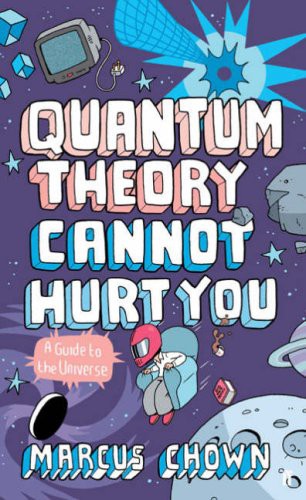
Quantum Theory Cannot Hurt You
Marcus Chown · Science
Marcus Chown, a former radio astronomer and longtime science writer, takes two of the most counterintuitive theories in physics — quantum mechanics and special relativity — and presents them in a single short book aimed squarely at readers who find both intimidating.
Shares physics and quantum mechanics with Six Easy Pieces.
Read the summary → - Seven Brief Lessons on Physics
07
Seven Brief Lessons on Physics
Carlo Rovelli · Science
Carlo Rovelli, a theoretical physicist best known for his work on loop quantum gravity, wrote this book originally as a series of essays for an Italian Sunday newspaper.
Shares physics and quantum mechanics with Six Easy Pieces.
Read the summary → - The Fabric of the Cosmos
08
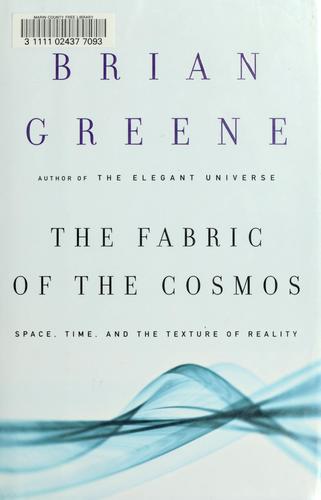
Brian Greene · Science
The Fabric of the Cosmos is Brian Greene's attempt to explain what physicists actually mean when they talk about space and time — not the intuitive everyday notions, but the deeply strange picture that emerges from general relativity and quantum mechanics.
Shares physics and quantum mechanics with Six Easy Pieces.
Read the summary → - The Physics of Everyday Things

09
The Physics of Everyday Things
James Kakalios · Science
James Kakalios, a physics professor at the University of Minnesota, takes a simple premise and executes it with unusual discipline: follow a single ordinary person through a single ordinary day, and explain the physics underlying every device and process they encounter.
Shares physics and quantum mechanics with Six Easy Pieces.
Read the summary → - Cosmos
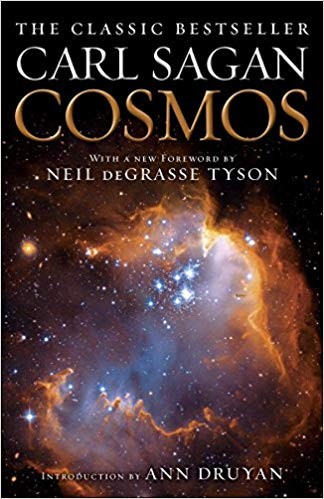
10
Carl Sagan · Science
Cosmos is Carl Sagan's attempt to tell the full story of the universe and humanity's place in it — from the Big Bang to the origins of life to the rise of science as a way of knowing.
Both dig into scientific thinking.
Read the summary → - Death by Black Hole
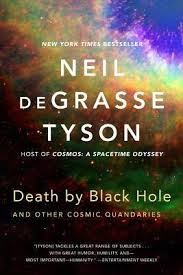
11
Neil deGrasse Tyson · Science
Death by Black Hole is a collection of essays by Neil deGrasse Tyson drawn from his "Universe" column in Natural History magazine.
Both dig into scientific thinking.
Read the summary → - In Search of Schrödinger's Cat
12
In Search of Schrödinger's Cat
John Gribbin · Science
John Gribbin's 1984 book remains one of the most thorough popular introductions to quantum mechanics ever written.
Both dig into quantum mechanics.
Read the summary →
Books like Six Easy Pieces: quick answers
What are the best books like Six Easy Pieces?
The best books like Six Easy Pieces by Richard P. Feynman are Surely You're Joking, Mr. Feynman! by Richard P. Feynman, Genius: The Life and Science of Richard Feynman by James Gleick, A Brief History of Time by Stephen Hawking, Astrophysics for People in a Hurry by Neil deGrasse Tyson, A Short History of Nearly Everything by Bill Bryson, plus 7 more below. Each was chosen for themes it shares with Six Easy Pieces, such as physics, atoms, quantum mechanics.
What should I read after Six Easy Pieces?
A natural next read after Six Easy Pieces is Surely You're Joking, Mr. Feynman! by Richard P. Feynman. Both dig into physics. Other strong choices are Genius: The Life and Science of Richard Feynman by James Gleick, A Brief History of Time by Stephen Hawking, Astrophysics for People in a Hurry by Neil deGrasse Tyson.
What books are similar to Six Easy Pieces by Richard P. Feynman?
Six Easy Pieces centers on physics, atoms, quantum mechanics. Books with a similar feel include Surely You're Joking, Mr. Feynman! by Richard P. Feynman, Genius: The Life and Science of Richard Feynman by James Gleick, A Brief History of Time by Stephen Hawking, Astrophysics for People in a Hurry by Neil deGrasse Tyson, A Short History of Nearly Everything by Bill Bryson, Quantum Theory Cannot Hurt You by Marcus Chown — all free to read and chat with on Superbook.
