
Topic · 11 books
Essential Making music reading list
Making music is the oldest human practice for which we have evidence — bone flutes, drumming circles, and ritual song predate writing by tens of thousands of years. Yet the craft of deliberately composing, recording, and producing music is something most practitioners absorb osmotically, from teachers and sessions and late nights in studios. These books make that tacit knowledge explicit: the physics of why a snare sounds the way it does, the psychology of why a chord progression feels resolved, the philosophy of what it even means to "finish" a piece, and the brutal honesty of what separates musicians who grow from those who plateau.
-
Perception and science
-
01
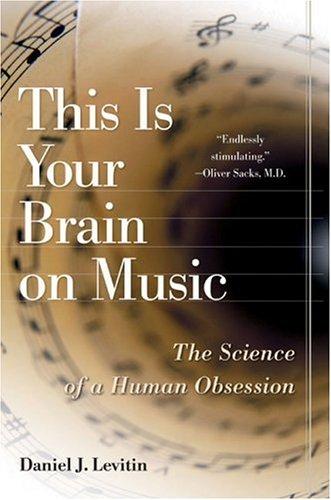
This Is Your Brain on Music: The Science of a Human Obsession
Daniel J. Levitin
The foundational science for any serious musician. Levitin explains what the auditory cortex actually does with rhythm, timbre, and expectation — why a note landing slightly behind the beat feels groovy rather than wrong, and why tension-resolution in harmony triggers the same neurochemistry as certain drugs. Knowing the mechanics does not kill the magic; it deepens it.
-
02
David Byrne
Byrne argues that music is not created in a vacuum but is shaped by the spaces it's designed to fill — a cathedral's reverb, a club's noise floor, an iPod earbud. Part memoir, part cultural history, part production theory. The chapter on how CBGB's acoustics shaped Talking Heads's sound alone is worth the cover price.
-
03
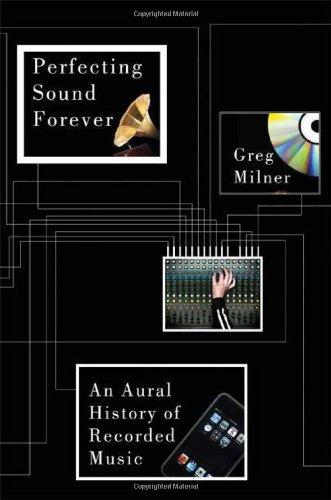
Greg Milner
A history of recorded sound from the cylinder to Pro Tools, told as a philosophical argument about whether recordings should capture reality or improve on it. Essential for anyone who has ever wrestled with whether a mix sounds 'too produced.' Milner traces how every era's answer to that question changed what musicians tried to do in the room.
-
Read these with Superbook
Chat with any book on this list — ask questions, get answers tuned to you.
-
Philosophy of creativity
-
04
The Creative Act: A Way of Being
Rick Rubin
Not a how-to book. Rubin's meditations on creativity are deliberately non-prescriptive — he is describing a posture toward work rather than a process. For musicians, the sections on surrender, on listening to the work rather than imposing on it, and on the difference between taste and judgment are particularly sharp. Best read slowly, one or two fragments at a time.
-
05
Making Music: 74 Creative Strategies for Electronic Music Producers
Dennis DeSantis
Where Rubin is intuitive, DeSantis is surgical. Originally published by Ableton, this is a structured taxonomy of creative blocks and how to break them — starting too late, finishing too early, overcomplicating arrangements. Aimed at electronic producers but the strategies transfer to any compositional context. The best practical companion to the more philosophical books on this list.
-
06
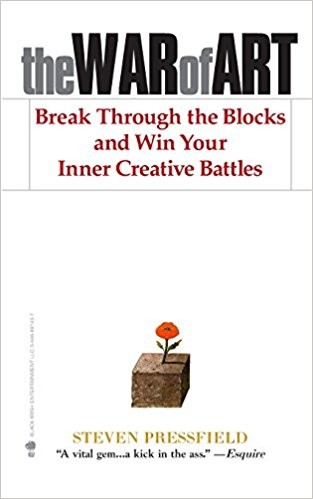
Steven Pressfield
Pressfield's book on resistance applies with particular force to musicians, where the gap between technical facility and creative output is often enormous. The concept of 'turning pro' — treating creative work as a practice with professional discipline regardless of whether it pays — is the mental shift that separates hobbyists from people who actually finish records.
-
Craft and practice
-
07
The Music Lesson: A Spiritual Search for Growth Through Music
Victor Wooten
A Socratic novel in which Wooten's mysterious teacher reframes every assumption a competent musician holds about what it means to practice, what it means to make a mistake, and what music is actually for. The central argument — that music is a language and you learn languages through immersion and play, not through drilling grammar — is liberating for trained musicians who have practiced themselves into rigidity.
-
08
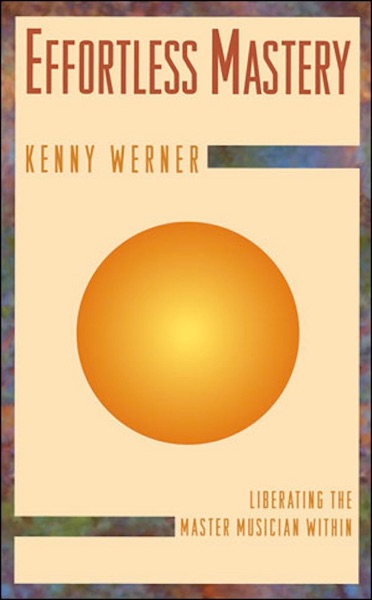
Effortless Mastery: Liberating the Master Musician Within
Kenny Werner
The jazz pianist Werner addresses the anxiety and self-judgment that freezes musicians at the moment of performance or creation. His meditation-inflected method for reaching a state of ease at the instrument is not mysticism — it is practical psychology applied to a real problem that many technically capable musicians never solve. Pairs directly with Wooten.
-
09
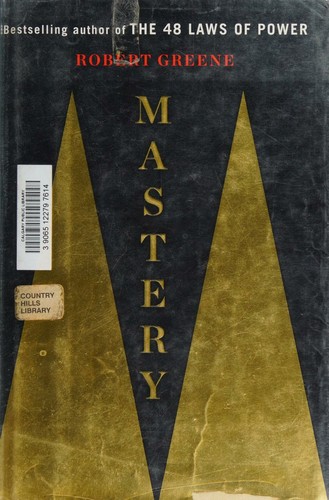
Robert Greene
Robert Greene's synthesis of mastery across domains applies directly to the musician's developmental arc: apprenticeship under someone further along, the creative-active phase of experimentation, and the intuitive mastery that eventually emerges. The profiles of Mozart and Coltrane anchor the abstract framework in musical specifics.
-
10
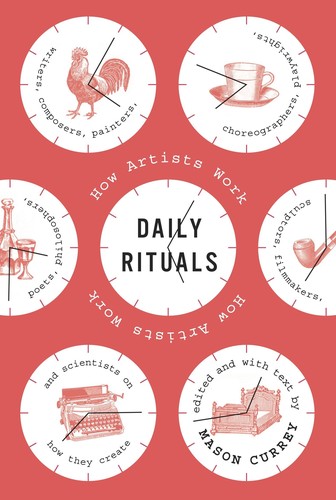
Daily Rituals: How Artists Work
Mason Currey
Mason Currey's portraits of how artists actually structure their days — Beethoven counting exactly sixty coffee beans, Glenn Gould's nocturnal sessions, Stravinsky's requirement for a daily constitutional before composing. More useful than it sounds: the book normalizes idiosyncratic work patterns and illustrates that there is no single formula for sustained creative output.
-
Music culture and industry
-
11
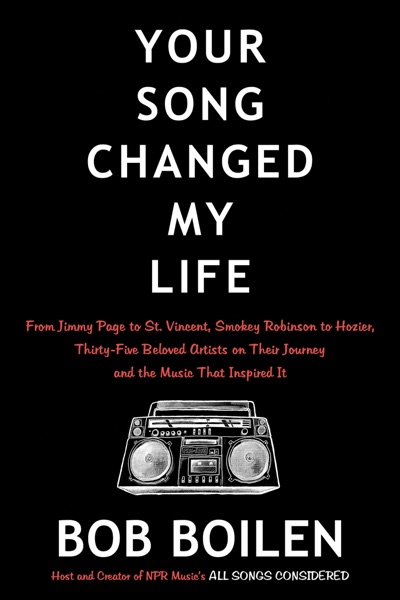
Bob Boilen
NPR's Tiny Desk founder interviews musicians across genres about the single song that made them want to make music — what they heard in it, what door it opened. Less a craft book than an emotional cartography of musical influence. Reading it after the more technical books reorients the whole project: the goal is to make something that does that to someone.

More about this list
The books on this list were chosen to address music-making at three levels simultaneously: the scientific (how does sound actually work, and why does the brain respond to it the way it does), the philosophical (what does creative process mean when you're working with time-based art), and the practical (how do sessions run, how do records get made, how do you survive a career in music without burning out or selling out).
They do not all agree. Rick Rubin's The Creative Act is almost mystical in its stance on creative surrender; Dennis DeSantis's Making Music 74 Creative Strategies is procedural and tactical. Victor Wooten treats music as a language you absorb before you analyze; Daniel Levitin shows the neuroscience underneath the feeling of absorption. Reading them together is the point: the tension between intuition and analysis, between craft mastery and beginner's mind, is what the best music lives in.
The arc runs from perception inward, then outward to production. Start with Levitin to understand what music does inside a listener — that shapes everything you make. Move to Byrne for the cultural and acoustic forces that shaped what music even sounds like. Then go deep into process with Rubin, Wooten, and Werner before surfacing into the industry with Milner and Boilen. By the end, you will not play or hear music the same way.
