
Topic · 10 books
The best books on creativity
Creativity is not a personality trait reserved for artists — it is a practice, a discipline, and sometimes a daily negotiation with resistance. The books in this field span psychology, memoir, craft instruction, and philosophy, converging on a single uncomfortable truth: making things requires showing up before you feel ready, and protecting that habit against everything that would erode it.
-
01
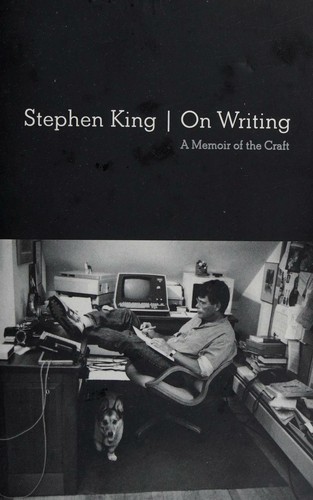
On Writing: A Memoir of the Craft
Stephen King
Half memoir, half craft manual. King's account of his own reading and writing habits is more persuasive than any of his prescriptions, because it shows the habit in operation over decades. The toolbox metaphor is the most durable framework in popular writing about writing.
-
02
Julia Cameron
Cameron's twelve-week program — morning pages, artist dates, weekly walks — has a cultish reputation that obscures how practical the underlying mechanics are. The book works best read as a structured experiment rather than a spiritual manifesto, though it is unapologetically both.
-
03
Twyla Tharp
Tharp's argument is that creativity is not inspiration but preparation. The opening story about getting into the taxi to the gym — that ritual IS the practice, not a prelude to it — is one of the most cited passages in the genre and earns its reputation.
-
Read these with Superbook
Chat with any book on this list — ask questions, get answers tuned to you.
-
04
Flow: The Psychology of Optimal Experience
Mihaly Csikszentmihalyi
Csikszentmihalyi's research on optimal experience provides the scientific scaffolding that most creativity books invoke without citing properly. The concept of flow — full absorption in a task matched to the edge of your skill — clarifies why some creative states feel effortless and others feel like extraction.
-
05
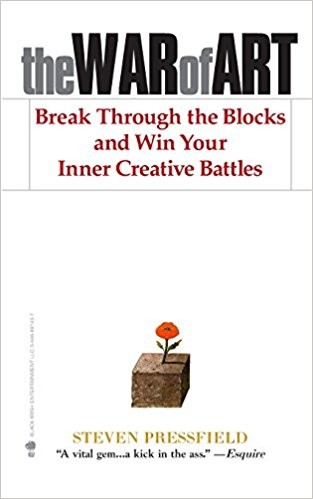
Steven Pressfield
Pressfield's Resistance — the force that keeps you from doing your work — is a rhetorical construct, not a scientific one, but it maps onto something real enough that the book has stayed in print for over two decades. The professional/amateur distinction is the argument's sharpest edge.
-
06
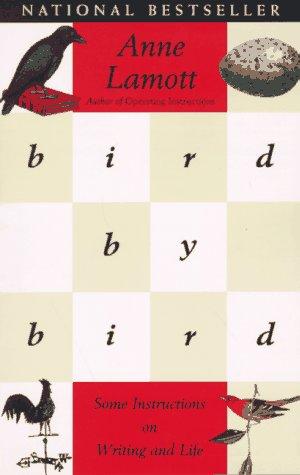
Anne Lamott
Lamott's title comes from her brother's overwhelmed paralysis in front of a school report on birds: their father told him to take it bird by bird. The short-assignments approach and the permission to write badly on the first pass remain some of the most liberating advice in the genre.
-
07
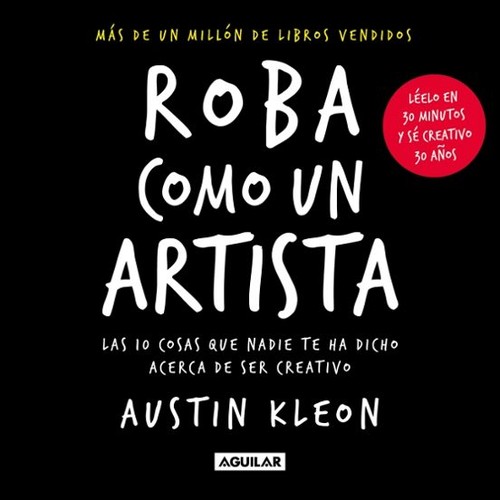
Austin Kleon
Kleon's short book on influence and creative lineage argues that originality is less about invention than about honest curation and recombination. The advice to build a physical creative environment rather than waiting for digital inspiration holds up across disciplines.
-
08
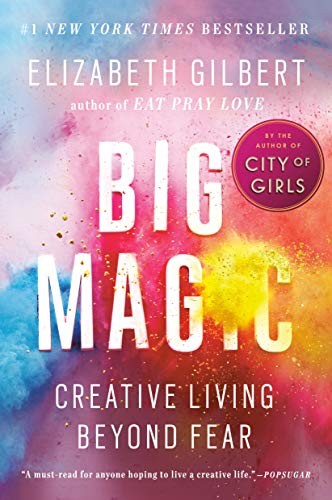
Elizabeth Gilbert
Gilbert's tone is more permissive than Pressfield's — she is suspicious of the suffering-artist narrative — but the underlying claim is similar: ideas want to exist and will find other hosts if you ignore them long enough. The chapter on fear as a legitimate passenger rather than a reason to stop is worth the whole book.
-
09
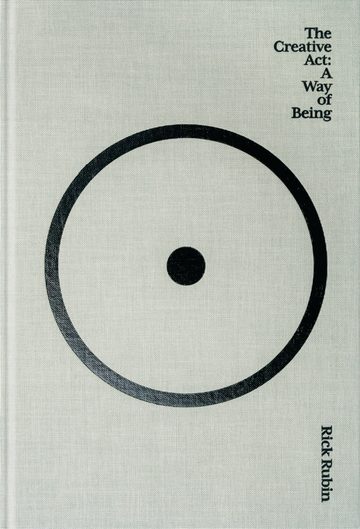
The Creative Act: A Way of Being
Rick Rubin
Rubin's book reads more like a collection of meditations than a how-to manual, which is either a limitation or its central point. His argument that the creator's job is receptivity — tuning into something that already exists — positions the book firmly in the philosophical strand and makes it a useful counterweight to the discipline-first books on this list.
-
10
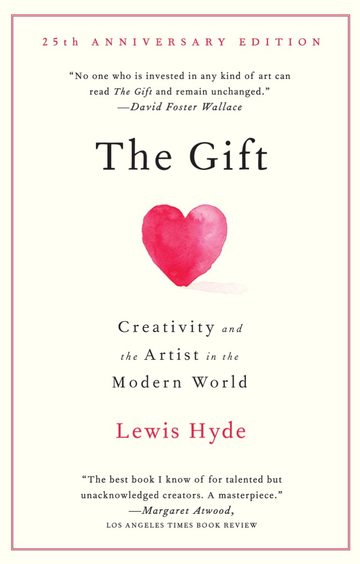
The Gift: Imagination and the Erotic Life of Property
Lewis Hyde
Hyde's 1983 study of the gift economy and its relationship to artistic work is the most intellectually ambitious book on this list. His analysis of why creative labor resists commodification — and what happens to artists who forget this — gives a structural explanation for the unease that the other books address through habit and mindset.
More about this list
The literature on creativity pulls in two directions at once. One strand is practical — Anne Lamott telling you to write the shitty first draft, Twyla Tharp insisting that the ritual of the gym bag is more important than inspiration, Stephen King reducing the whole mystery to reading a lot and working hard. The other strand is philosophical — Csikszentmihalyi asking what it means for time to disappear inside a task, Lewis Hyde arguing that genuine creative work belongs to a gift economy that market logic cannot fully colonize.
These two strands do not resolve neatly, and the books here reflect that tension. Rubin's Creative Act sits in the philosophical current while still being addressed to working artists. The War of Art names Resistance as a near-metaphysical force, then offers a military discipline as the only cure. Big Magic is warmer and more permissive than Pressfield, but arrives at a similar conclusion: the work is the answer.
Reading across these books, a cumulative picture emerges. The early books establish the psychological underpinning — flow states, intrinsic motivation, the conditions under which deep work becomes possible. The middle books move into craft and habit: how writers structure their days, how choreographers build rituals, how artists steal from what they love. The later entries push into the social and economic dimensions of creative life — what it costs, what it gives back, and why it resists being treated as a career path alone. By the end, the tenth book reframes what you thought the first was saying.
