
Topic · 13 books
Essential Philosophy for beginners reading list
Philosophy has an entry-point problem: the primary sources are often dense, the secondary literature can be drier still, and it is easy to spend months in academic summaries without ever encountering an idea that changes how you think. The books on this list are chosen because they solve that problem — they are the entry points that actually work, moving from accessible narrative introductions through the key primary texts that reward re-reading for decades.
-
01
Jostein Gaarder
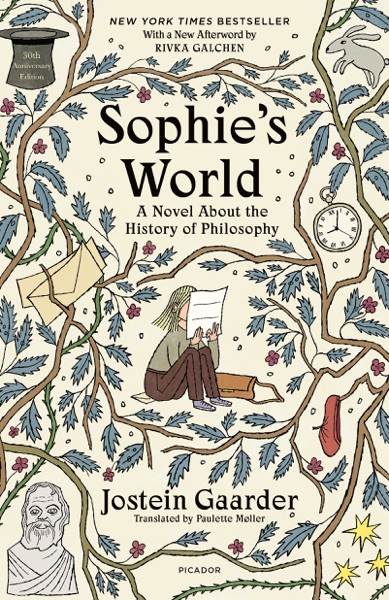
The narrative gateway that has introduced more people to philosophy than any other book in the past thirty years. Using a teenage girl's correspondence with a mysterious tutor as a frame, Gaarder walks through Western philosophy from Thales to Sartre without ever losing the story. The philosophy is accurate; the pacing is novelistic.
-
02
A History of Western Philosophy
Bertrand Russell
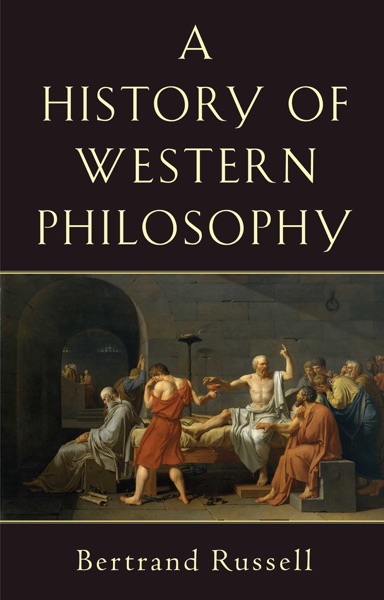
Russell's 1945 survey is opinionated in a way that most intellectual histories are not — he finds Plato dangerous, Hegel nearly incoherent, and Leibniz delightful, and he says so. That polemical energy makes it readable where more neutral surveys are not. Best used after Sophie's World to get a second, sharper angle on the same terrain.
-
03
The Consolations of Philosophy
Alain de Botton
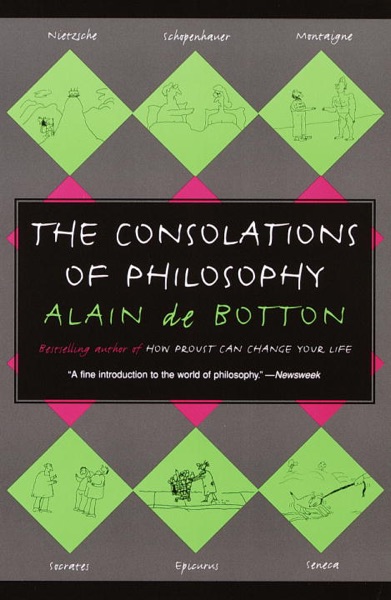
De Botton picks six philosophers — Socrates, Epicurus, Seneca, Montaigne, Schopenhauer, Nietzsche — and pairs each with a specific modern anxiety: unpopularity, not having enough money, frustration, inadequacy, a broken heart, difficulties. The approach is deliberately practical, and it works as an introduction because it gives each thinker a concrete problem to solve.
-
Read these with Superbook
Chat with any book on this list — ask questions, get answers tuned to you.
-
04
Plato
The foundational text of Western political philosophy and ethics, but the reason it belongs early on a beginner's list is its form: Socrates in dialogue, testing ideas under pressure. Books I and II, where justice is defined and challenged, are enough to understand the method. The allegory of the cave in Book VII is the most famous single passage in philosophy for a reason.
-
05
Plato
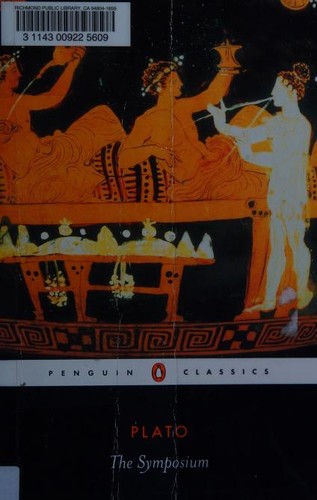
Seven speeches about love, each more sophisticated than the last. The Symposium is the most immediately pleasurable of the Platonic dialogues — short, dramatically alive, and culminating in Diotima's account of philosophical eros that redefines what love is aiming at. The move from physical beauty to the Form of Beauty is Platonism in its clearest form.
-
06
Plato
Plato's account of Socrates's last hours, argued around the question of whether the soul survives death. What makes it essential is that the philosophical arguments and the human situation are inseparable — you read an argument for immortality while watching a man face death calmly. No other philosophical text demonstrates quite this way that ideas have consequences.
-
07
Marcus Aurelius
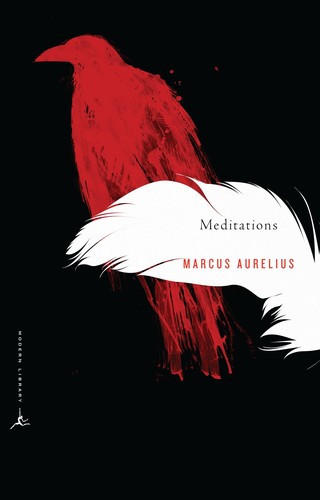
Written as private notes, never intended for publication, and still the most direct expression of Stoic practice in the ancient record. Marcus Aurelius returns obsessively to the same themes — the brevity of life, the indifference of nature, the sole importance of one's own rational choice — which gives the book a meditative texture that differs from any treatise.
-
08
Aristotle
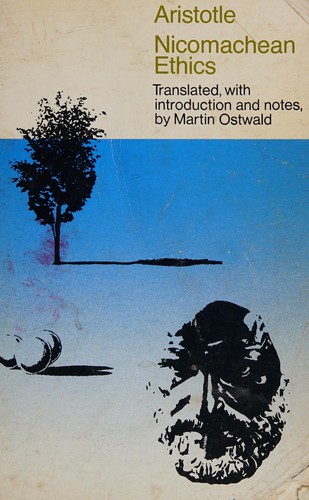
Aristotle's account of what it means to live well. The concept of eudaimonia — flourishing, not just happiness — and the doctrine of virtue as a mean between excess and deficiency provide the framework for nearly all subsequent virtue ethics. Denser than Plato, but the practical chapters on friendship and political life repay the effort.
-
09
René Descartes
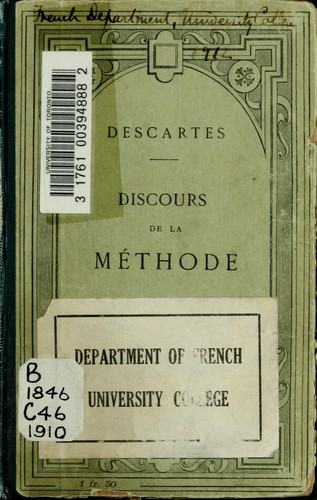
Four short parts, the first of which contains the cogito. Descartes's method of systematic doubt is the founding gesture of modern philosophy, and it is most powerful read in his own economical prose. The book is short enough to read in two hours; it takes far longer to stop thinking about it.
-
10
John Stuart Mill
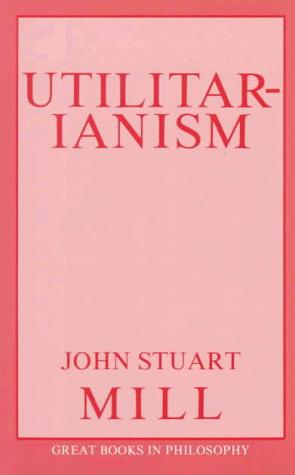
Mill's 1863 essay is the clearest statement of the utilitarian position and, in chapter four, contains the most famous attempted proof in moral philosophy — famous partly because of how well it fails. Reading it against the Nicomachean Ethics makes the central divide in ethics — consequences versus character — as clear as it can be made.
-
11
Jean-Paul Sartre
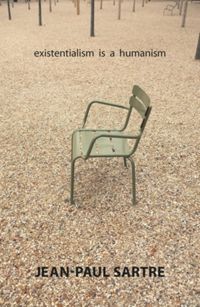
The 1945 lecture in which Sartre explains existentialism to a hostile general audience in one sitting. Existence precedes essence, radical freedom, bad faith — the core ideas are here in their most accessible form before Being and Nothingness. Later Sartre repudiated parts of it, which makes the tension between the two worth knowing.
-
12
Albert Camus
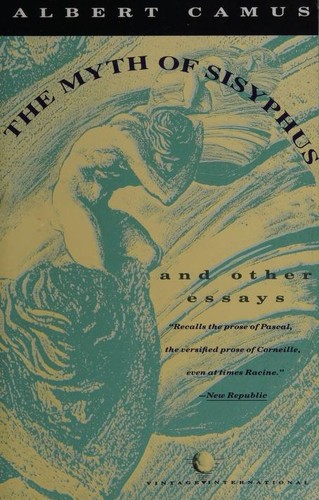
Camus's essay on the absurd is the companion piece to Sartre from a writer who rejected the existentialist label while exploring the same terrain. The opening claim — that there is only one truly serious philosophical problem, namely suicide — earns its bluntness. The final image of Sisyphus happy reframes the problem of meaninglessness without resolving it.
-
13
Friedrich Nietzsche
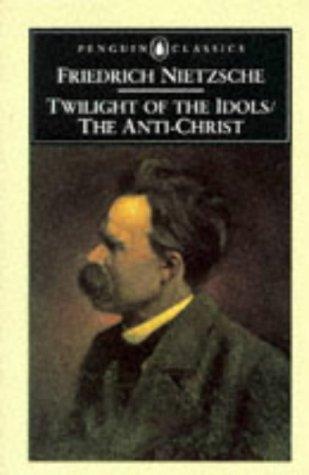
Nietzsche's most readable book, written in a week and covering his core positions — the critique of Socratic rationalism, the revaluation of values, the will to power — in compressed, aphoristic form. After working through the Socratic and Stoic traditions, the force of his challenge is felt properly. The chapter 'How the Real World Finally Became a Fable' is six paragraphs and rewrites the history of philosophy.
More about this list
The list opens with three books that remove the initial friction. Sophie's World uses a coming-of-age novel as a frame for a tour of Western philosophy from the pre-Socratics to Sartre — it is the single most used introduction in schools worldwide for good reason. Bertrand Russell's A History of Western Philosophy covers more ground with more intellectual edge; Russell doesn't just explain the philosophers, he argues with them, which models the discipline itself. Alain de Botton's The Consolations of Philosophy does something different again: it picks six thinkers and shows how each speaks to a specific human problem, making abstract arguments feel immediately applicable.
From there the list pivots to primary sources, but carefully chosen ones. Plato's Republic and Symposium are the most readable of the dialogues — Socrates in conversation, not lecturing. Marcus Aurelius's Meditations is the entry point for Stoicism and one of the most intimate documents in the ancient tradition. The Nicomachean Ethics is denser but irreplaceable as the foundational text of virtue ethics. Descartes' Meditations on First Philosophy is short, radical, and still the best introduction to epistemology as a live question.
The modern half of the list introduces existentialism through Sartre's short Existentialism Is a Humanism before his longer works, and Camus's The Myth of Sisyphus as the companion treatment of absurdism. Mill's Utilitarianism and Sandel's Justice round out the ethics strand, with Sandel being the contemporary book most effective at making moral philosophy feel urgent. The arc through the list is deliberate: by the time you reach Nietzsche's Twilight of the Idols, having come through the Socratic, Stoic, and Kantian traditions, you can hear exactly what he is demolishing.
