
Topic · 12 books
Essential Stoicism reading list
Stoicism is a Hellenistic philosophy founded in Athens around 300 BCE that teaches the development of self-control and fortitude as a means of overcoming destructive emotions. Its core claim — that we suffer not from events but from our judgments about events — has made it one of the most practically durable philosophies in history. From Roman emperors to Silicon Valley founders, the tradition keeps finding new audiences because its central problems (how to act well under uncertainty, how to remain steady amid loss) never go away.
-
01
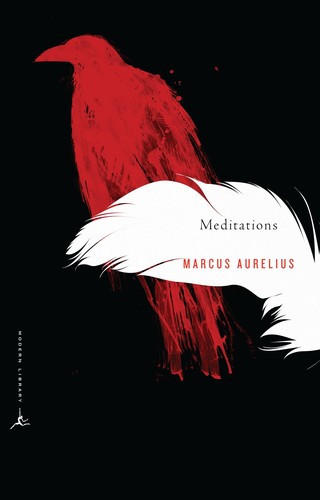
Marcus Aurelius
The starting point for almost everyone who takes Stoicism seriously. Written by Marcus Aurelius as a private practice — notes to himself, not for publication — the book shows the philosophy in use rather than in argument. Read it slowly, a few entries at a time.
-
02
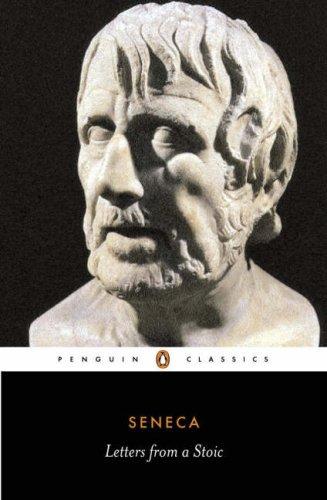
Seneca
Seneca's letters to his friend Lucilius, written in the last years of his life, are the most approachable ancient Stoic text. Each letter takes a single practical problem — how to face death, how to use time, how to deal with crowds — and works through it with warmth and some candor about his own failures.
-
03
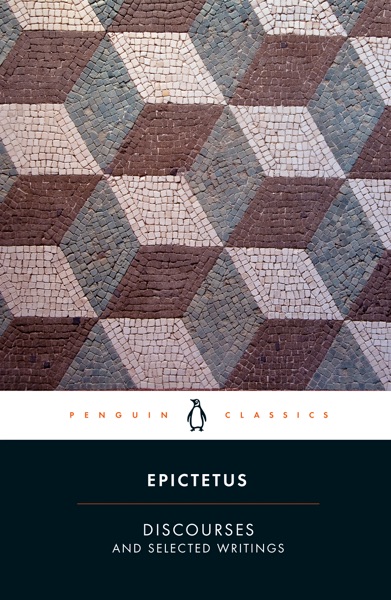
Discourses and Selected Writings
Epictetus
Epictetus never wrote anything; his student Arrian transcribed his lectures. The result is the most demanding of the ancient sources — direct, occasionally impatient, and entirely focused on the dichotomy of control. Read after Marcus and Seneca to see the philosophical foundation both were drawing on.
-
Read these with Superbook
Chat with any book on this list — ask questions, get answers tuned to you.
-
04
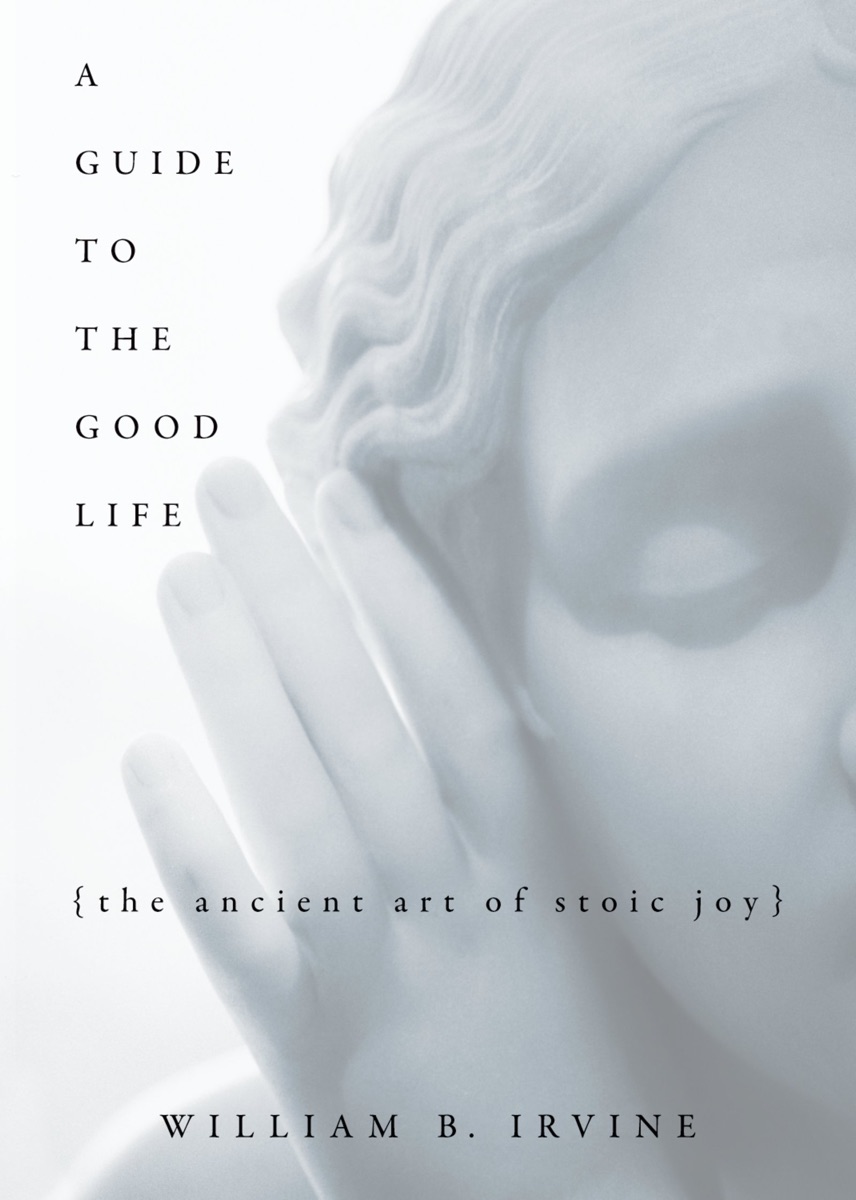
William Irvine
A contemporary philosopher's systematic reconstruction of Stoic practice, from negative visualization to voluntary discomfort. Irvine is honest about where he departs from the ancients and why. The best single-volume introduction for readers who want a coherent program rather than fragments.
-
05
Ryan Holiday
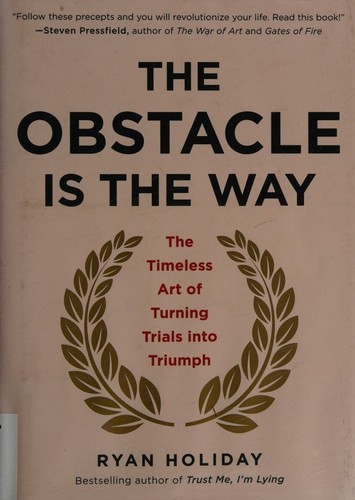
Holiday's first book draws on Marcus Aurelius above all, reframing obstacles as the material of action. The historical case studies (Thomas Edison, Ulysses Grant, Amelia Earhart) make the abstract principle concrete. Best read after at least one primary source so the translation is visible.
-
06
Ryan Holiday
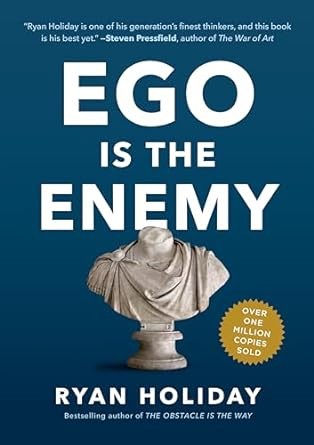
Where *The Obstacle* is about adversity, this book is about success — specifically about how ego undermines the work before, during, and after achievement. Holiday reads the Stoics alongside figures like Katharine Graham and Howard Hughes. Pairs naturally with the Epictetus, who is particularly hard on self-importance.
-
07
Ryan Holiday
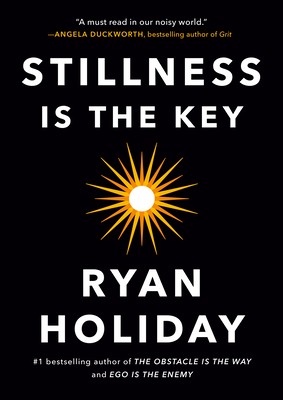
The third book in Holiday's loosely connected trilogy focuses on *ataraxia* — the Stoic and Epicurean concept of tranquility. More contemplative than the first two, drawing on Buddhist and Christian sources alongside Stoic ones. The chapter on Marcus Aurelius's morning routine is one of the clearest illustrations of Stoic practice in daily life.
-
08
Ryan Holiday and Stephen Hanselman
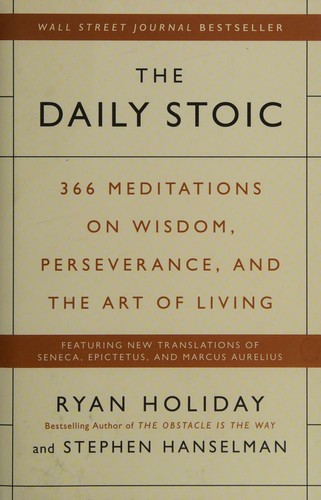
Holiday and Stephen Hanselman's 366-entry book of daily passages, each paired with a short commentary. Works better as a companion to the primary sources than as a standalone. Many readers cycle through it annually — it surfaces passages from Marcus, Seneca, and Epictetus that might otherwise get skipped.
-
09
Rolf Dobelli
Rolf Dobelli's 52 short chapters apply mental models — many drawn from Stoic tradition — to modern decisions. Less philosophically rigorous than Irvine but more practically specific. The chapters on the circle of competence and on negative visualization sit squarely in the Stoic tradition even when the labels don't.
-
10
Antifragile: Things That Gain from Disorder
Nassim Nicholas Taleb
Taleb doesn't identify as a Stoic, but *Antifragile* is probably the most original development of Stoic ideas in recent decades. The argument — that some systems gain from disorder — reframes the Stoic relationship to adversity: rather than enduring volatility, the antifragile system requires it. Read after the primary sources to see where Taleb departs from and extends the tradition.
-
11
Viktor E. Frankl
Frankl's account of surviving Auschwitz and developing logotherapy is the most extreme test of the Stoic wager — that we always retain the freedom to choose our response to circumstances. He doesn't invoke the Stoics by name, but the resonance is unmistakable. Often recommended alongside Marcus Aurelius by Stoicism practitioners.
-
12
Jocko Willink
Jocko Willink's field manual is blunt and repetitive by design — each principle stated, then restated in military cadence. The content is largely Stoic: control what you can control, use discomfort as training, act rather than deliberate. A useful foil to the more philosophical texts; it's the tradition at its most applied.
More about this list
The reading order here matters. The ancient sources come first not out of reverence but because the modern explainers make more sense once you've spent time in the actual texts. Marcus Aurelius wrote the *Meditations* as a private journal — there's no argument to follow, only a ruler repeatedly talking himself back to his own principles. Seneca's letters to Lucilius are warmer and more essayistic; he's the most readable of the three ancient sources. Epictetus, a former slave, is the most stringent: the *Discourses* strip the philosophy down to what you can and cannot control, with little patience for excuse-making.
After the primary sources, William Irvine's *A Guide to the Good Life* serves as the bridge — a philosopher's systematic reconstruction of Stoic practice for a modern reader, honest about where the ancients were wrong. Ryan Holiday's four books (starting with *The Obstacle Is the Way*) translate the same ideas into contemporary language, using historical case studies rather than philosophical argument. They are easier reads than the originals and explicitly intended as entry points; reading them after the ancients lets you see what's been preserved and what's been adapted.
The list closes with books that aren't Stoic texts but are deeply shaped by Stoic thinking: Taleb's *Antifragile* reframes the Stoic relationship to adversity in systems terms; Frankl's *Man's Search for Meaning* is a 20th-century proof of concept — the Stoic wager tested in extremis.
