Economics · Similar reads
Books like Common Sense on Mutual Funds
The best books like Common Sense on Mutual Funds are The Intelligent Investor, A Random Walk Down Wall Street, and The Little Book of Common Sense Investing. Common Sense on Mutual Funds by John C. Bogle is about investing, index funds, cost minimization. If that's what drew you in, here are 12 books that share its DNA — each summarized on Superbook, and ready to chat with in the app.
- The Intelligent Investor
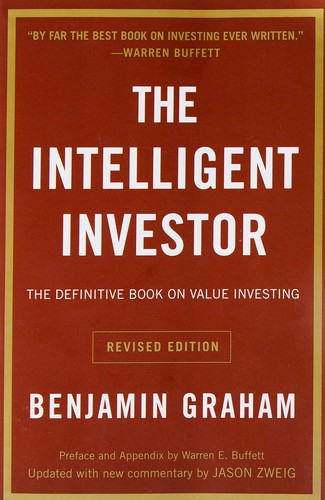
01
Benjamin Graham · Economics
The Intelligent Investor is Benjamin Graham's case that successful investing has less to do with picking the right stocks than with managing your own behavior.
Both dig into long-term thinking.
Read the summary → - A Random Walk Down Wall Street
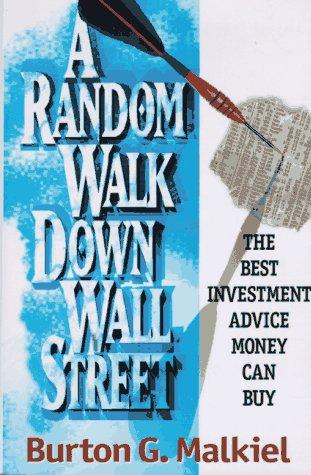
02
A Random Walk Down Wall Street
Burton G. Malkiel · Economics
A Random Walk Down Wall Street is Burton Malkiel's argument that stock prices move in a way that is effectively unpredictable, that professional fund managers cannot consistently beat the market, and that the rational response for most investors is to buy and hold a diversified index fund.
A kindred economics read.
Read the summary → - The Little Book of Common Sense Investing
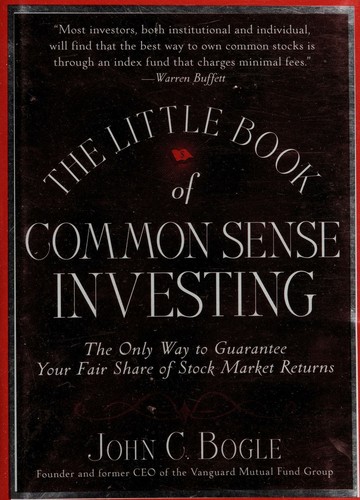
03
The Little Book of Common Sense Investing
John C. Bogle · Economics
The Little Book of Common Sense Investing is John Bogle's concise case for why buying the entire stock market through a low-cost index fund is the most rational investment strategy available to most people.
A kindred economics read.
Read the summary →
- The Psychology of Money
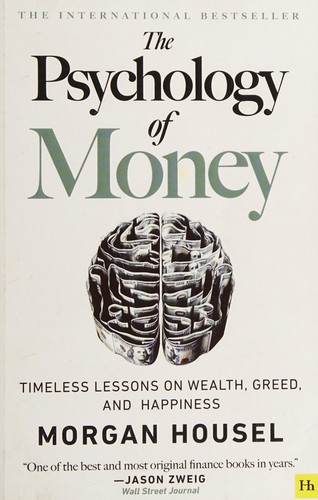
04
Morgan Housel · Economics
The Psychology of Money is Morgan Housel's argument that financial success depends less on technical knowledge than on behavior — specifically, on understanding how your personal history, emotions, and cognitive biases shape every financial decision you make.
Both dig into long-term thinking.
Read the summary → - Just Keep Buying
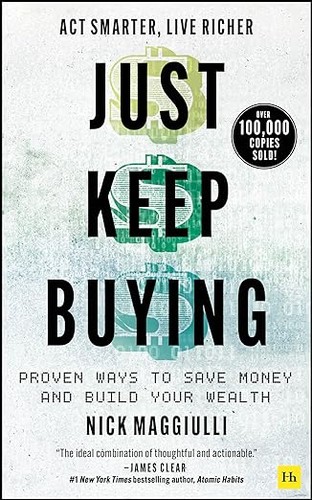
05
Nick Maggiulli · Economics
Just Keep Buying is Nick Maggiulli's data-driven answer to the two central questions of personal finance: how much should you save, and how should you invest it?
Both dig into investing.
Read the summary → - Winning the Loser's Game
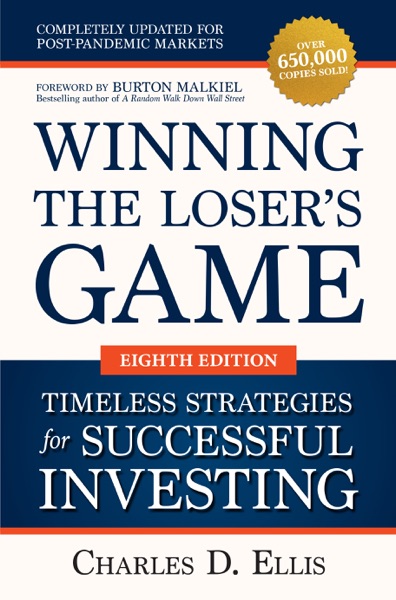
06
Charles D. Ellis · Business
Winning the Loser's Game is Charles Ellis's case that most individual and institutional investors would be better served by passive index funds than by active management.
Shares investing and index funds with Common Sense on Mutual Funds.
Read the summary → - The Investor's Manifesto
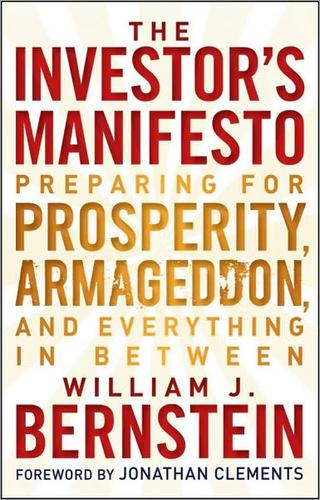
07
William J. Bernstein · Economics
The Investor's Manifesto is William Bernstein's concise statement of what evidence-based investing actually requires.
Shares investing and index funds with Common Sense on Mutual Funds.
Read the summary → - The Little Book That Builds Wealth
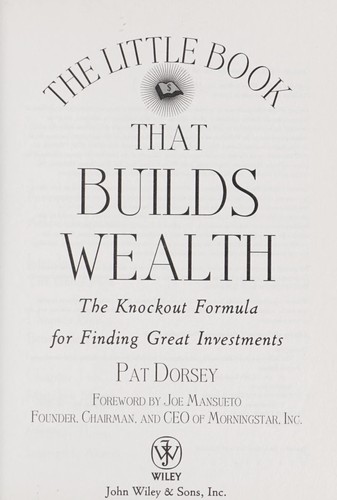
08
The Little Book That Builds Wealth
Pat Dorsey · Economics
The Little Book That Builds Wealth is Pat Dorsey's case for a single, tractable framework for equity investing: find companies with durable competitive advantages — what Warren Buffett calls economic moats — buy them at reasonable prices, and hold them.
Shares investing and long-term thinking with Common Sense on Mutual Funds.
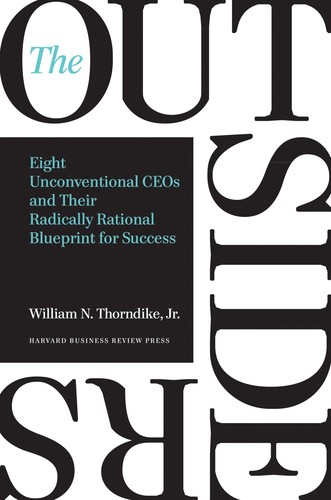
Read the summary → - The Outsiders: Eight Unconventional CEOs and Their Radically Rational Blueprint for Success
09
The Outsiders: Eight Unconventional CEOs and Their Radically Rational Blueprint for Success
William N. Thorndike · Business
The Outsiders profiles eight CEOs whose long-term returns to shareholders dramatically outperformed the S&P 500 and their industry peers, often by factors of ten to one hundred.
Shares investing and long-term thinking with Common Sense on Mutual Funds.
Read the summary → - How a Second Grader Beats Wall Street
10
How a Second Grader Beats Wall Street
Allan Roth · Economics
How a Second Grader Beats Wall Street is Allan Roth's argument that a portfolio simple enough for a child to manage will, over time, outperform the vast majority of professionally managed money.
Both dig into index funds.
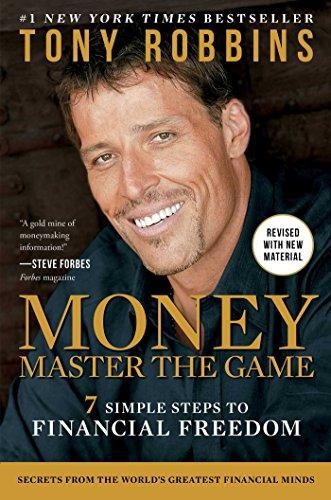
Read the summary → - Money: Master the Game
11
Tony Robbins · Economics
Money: Master the Game is Tony Robbins's attempt to distill financial wisdom from interviews with fifty of the world's most successful investors — including Ray Dalio, Warren Buffett, Jack Bogle, and Paul Tudor Jones — into a practical guide for ordinary people.
Both dig into investing.
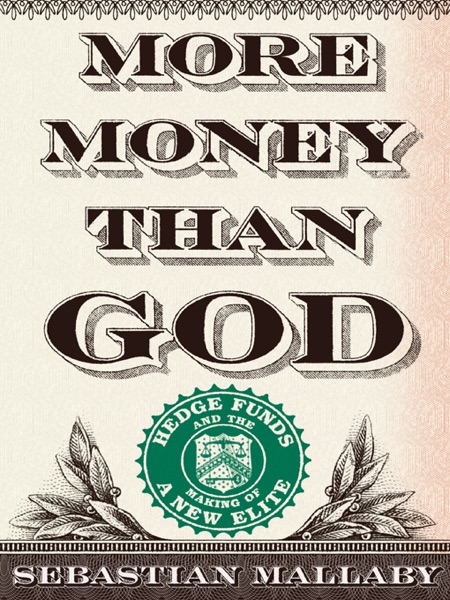
Read the summary → - More Money Than God
12
Sebastian Mallaby · Economics
Sebastian Mallaby's history of hedge funds begins with Alfred Winslow Jones, who in 1949 invented the basic structure that still defines the industry: borrow money to buy what you think will go up, sell short what you think will go down, take a 20 percent cut of the profits.
Both dig into investing.
Read the summary →
Books like Common Sense on Mutual Funds: quick answers
What are the best books like Common Sense on Mutual Funds?
The best books like Common Sense on Mutual Funds by John C. Bogle are The Intelligent Investor by Benjamin Graham, A Random Walk Down Wall Street by Burton G. Malkiel, The Little Book of Common Sense Investing by John C. Bogle, The Psychology of Money by Morgan Housel, Just Keep Buying by Nick Maggiulli, plus 7 more below. Each was chosen for themes it shares with Common Sense on Mutual Funds, such as investing, index funds, cost minimization.
What should I read after Common Sense on Mutual Funds?
A natural next read after Common Sense on Mutual Funds is The Intelligent Investor by Benjamin Graham. Both dig into long-term thinking. Other strong choices are A Random Walk Down Wall Street by Burton G. Malkiel, The Little Book of Common Sense Investing by John C. Bogle, The Psychology of Money by Morgan Housel.
What books are similar to Common Sense on Mutual Funds by John C. Bogle?
Common Sense on Mutual Funds centers on investing, index funds, cost minimization. Books with a similar feel include The Intelligent Investor by Benjamin Graham, A Random Walk Down Wall Street by Burton G. Malkiel, The Little Book of Common Sense Investing by John C. Bogle, The Psychology of Money by Morgan Housel, Just Keep Buying by Nick Maggiulli, Winning the Loser's Game by Charles D. Ellis — all free to read and chat with on Superbook.
