History · Similar reads
Books like Extraordinary Popular Delusions and the Madness of Crowds
The best books like Extraordinary Popular Delusions and the Madness of Crowds are Thinking, Fast and Slow, Irrational Exuberance, and Fooled by Randomness. Extraordinary Popular Delusions and the Madness of Crowds by Charles Mackay is about crowd psychology, financial bubbles, mass delusion. If that's what drew you in, here are 12 books that share its DNA — each summarized on Superbook, and ready to chat with in the app.
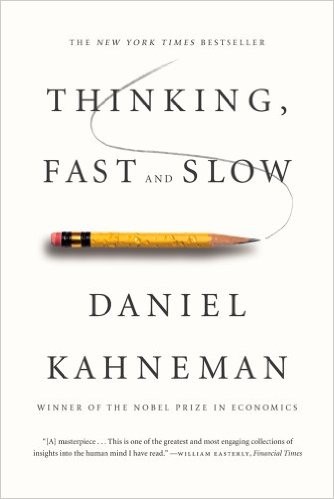
- Thinking, Fast and Slow
01
Daniel Kahneman · Psychology
Thinking, Fast and Slow is Daniel Kahneman's account of the two cognitive systems that govern human thought.
A kindred history read.
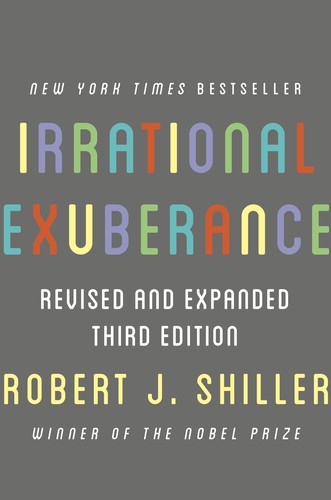
Read the summary → - Irrational Exuberance
02
Robert J. Shiller · Economics
Irrational Exuberance is Robert Shiller's argument that stock and real estate markets are driven not just by rational calculation but by feedback loops, stories, and crowd psychology.
A kindred history read.
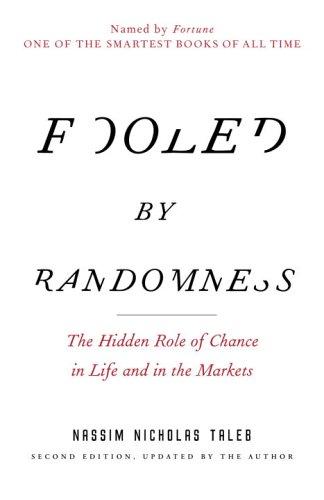
Read the summary → - Fooled by Randomness
03
Nassim Nicholas Taleb · Psychology
Fooled by Randomness is Nassim Nicholas Taleb's argument that humans are wired to misread luck as skill, noise as signal, and random outcomes as the product of ability or effort.
A kindred history read.
Read the summary →
- The Big Short: Inside the Doomsday Machine
04
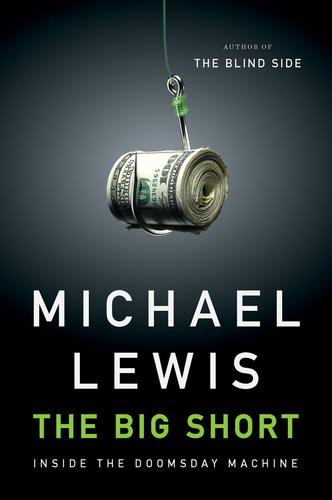
The Big Short: Inside the Doomsday Machine
Michael Lewis · Economics
The Big Short is Michael Lewis's account of the 2008 financial crisis as seen through the eyes of a handful of contrarians who saw the collapse coming, bet against the American housing market, and were right.
A kindred history read.
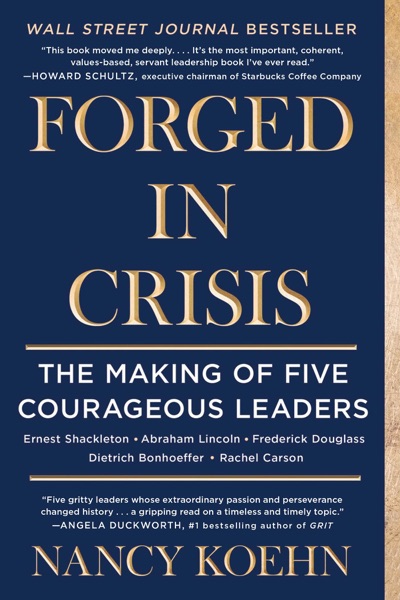
Read the summary → - Forged in Crisis
05
Nancy Koehn · History
Nancy Koehn, a historian at Harvard Business School, profiles five historical leaders who were forged — not simply demonstrated — by crisis: Ernest Shackleton, Abraham Lincoln, Frederick Douglass, Dietrich Bonhoeffer, and Rachel Carson.
Both dig into history.
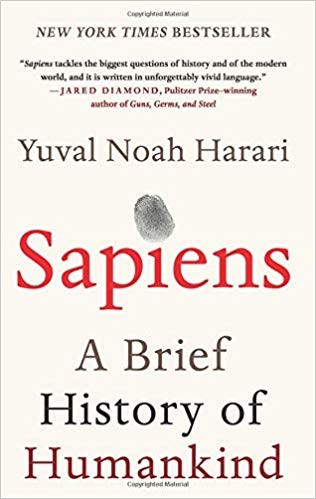
Read the summary → - Sapiens: A Brief History of Humankind
06
Sapiens: A Brief History of Humankind
Yuval Noah Harari · History
Sapiens traces the full arc of human history from the emergence of Homo sapiens in Africa roughly 70,000 years ago to the present.
Both dig into history.
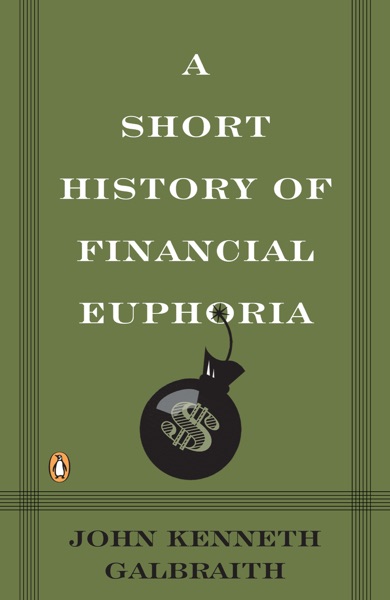
Read the summary → - A Short History of Financial Euphoria
07
A Short History of Financial Euphoria
John Kenneth Galbraith · Economics
A Short History of Financial Euphoria is John Kenneth Galbraith's compressed account of speculative bubbles from the tulip mania of 1630s Holland through the 1987 US stock market crash.
Both dig into financial bubbles.
Read the summary → - Between the World and Me
08
Ta-Nehisi Coates · Memoir
Between the World and Me is a letter from Ta-Nehisi Coates to his teenage son, Samori, about what it means to live in a Black body in the United States.
Both dig into history.
Read the summary → - Caste: The Origins of Our Discontents
09
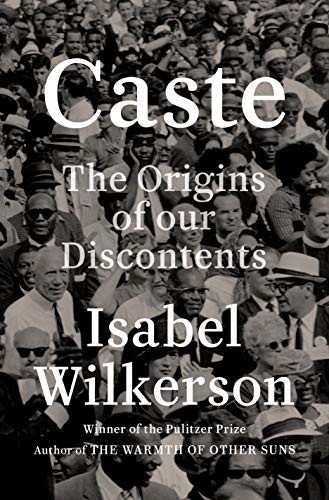
Caste: The Origins of Our Discontents
Isabel Wilkerson · Memoir
Isabel Wilkerson's second book proposes a reframing of American racial hierarchy: rather than thinking of racism primarily as prejudice, she argues that the United States has operated as a caste society, with Black Americans at the bottom of a rigidly maintained hierarchy similar in its structure — though different in its specific mechanisms — to the caste systems of India and Nazi Germany.
Both dig into history.
Read the summary → - On the Genealogy of Morality
10
Friedrich Nietzsche · Philosophy
On the Genealogy of Morality is Nietzsche's most rigorously argued work — three sustained essays that trace the historical origins of moral concepts he believes we have inherited without examining.
Both dig into history.
Read the summary → - Panic: The Story of Modern Financial Insanity
11
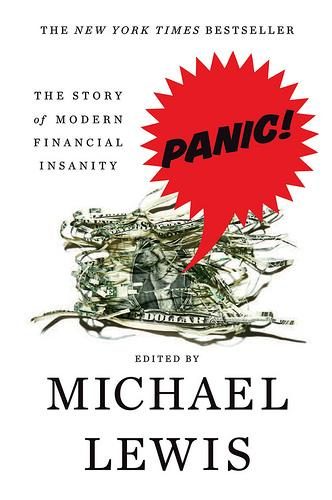
Panic: The Story of Modern Financial Insanity
ed. Michael Lewis · Economics
Panic is an anthology edited by Michael Lewis, collecting journalism, essays, and firsthand accounts about five major financial crises from 1987 to 2007: the Black Monday crash, the emerging markets panics of the 1990s, the Long-Term Capital Management collapse, the dot-com bust, and the early signals of the subprime mortgage crisis.
Both dig into history.
Read the summary → - The Better Angels of Our Nature
12
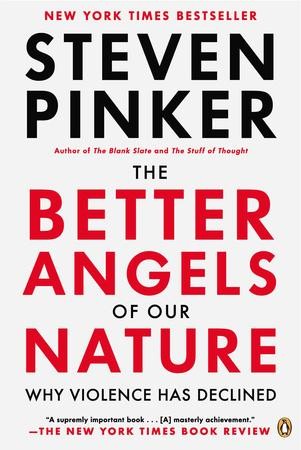
The Better Angels of Our Nature
Steven Pinker · Science
The Better Angels of Our Nature is Steven Pinker's argument, supported by extensive historical and statistical data, that human violence has declined dramatically over long time periods and that this decline is real, not an artifact of reporting or perception.
Both dig into history.
Read the summary →
Books like Extraordinary Popular Delusions and the Madness of Crowds: quick answers
What are the best books like Extraordinary Popular Delusions and the Madness of Crowds?
The best books like Extraordinary Popular Delusions and the Madness of Crowds by Charles Mackay are Thinking, Fast and Slow by Daniel Kahneman, Irrational Exuberance by Robert J. Shiller, Fooled by Randomness by Nassim Nicholas Taleb, The Big Short: Inside the Doomsday Machine by Michael Lewis, Forged in Crisis by Nancy Koehn, plus 7 more below. Each was chosen for themes it shares with Extraordinary Popular Delusions and the Madness of Crowds, such as crowd psychology, financial bubbles, mass delusion.
What should I read after Extraordinary Popular Delusions and the Madness of Crowds?
A natural next read after Extraordinary Popular Delusions and the Madness of Crowds is Thinking, Fast and Slow by Daniel Kahneman. A kindred history read. Other strong choices are Irrational Exuberance by Robert J. Shiller, Fooled by Randomness by Nassim Nicholas Taleb, The Big Short: Inside the Doomsday Machine by Michael Lewis.
What books are similar to Extraordinary Popular Delusions and the Madness of Crowds by Charles Mackay?
Extraordinary Popular Delusions and the Madness of Crowds centers on crowd psychology, financial bubbles, mass delusion. Books with a similar feel include Thinking, Fast and Slow by Daniel Kahneman, Irrational Exuberance by Robert J. Shiller, Fooled by Randomness by Nassim Nicholas Taleb, The Big Short: Inside the Doomsday Machine by Michael Lewis, Forged in Crisis by Nancy Koehn, Sapiens: A Brief History of Humankind by Yuval Noah Harari — all free to read and chat with on Superbook.
