Economics · Similar reads
Books like The Divide
The best books like The Divide are Why Nations Fail: The Origins of Power, Prosperity, and Poverty, The Bottom Billion: Why the Poorest Countries Are Failing and What Can Be Done About It, and Sapiens: A Brief History of Humankind. The Divide by Jason Hickel is about global inequality, development, colonialism. If that's what drew you in, here are 12 books that share its DNA — each summarized on Superbook, and ready to chat with in the app.
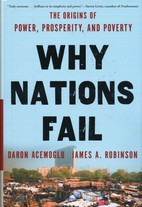
- Why Nations Fail: The Origins of Power, Prosperity, and Poverty
01
Why Nations Fail: The Origins of Power, Prosperity, and Poverty
Daron Acemoglu and James A. Robinson · Economics
Daron Acemoglu and James Robinson argue that the fundamental difference between rich and poor countries is not geography, culture, or bad luck.
Both dig into development.
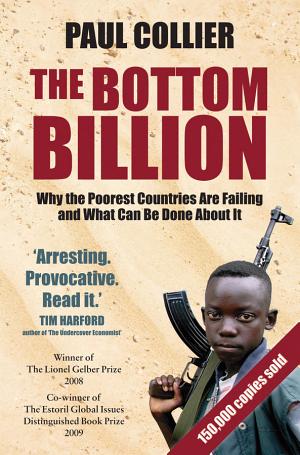
Read the summary → - The Bottom Billion: Why the Poorest Countries Are Failing and What Can Be Done About It
02
The Bottom Billion: Why the Poorest Countries Are Failing and What Can Be Done About It
Paul Collier · Economics
Paul Collier spent two decades as a development economist at the World Bank and Oxford before writing The Bottom Billion, and the book reflects that experience in a specific way: rather than offering a unified theory of why poor countries stay poor, it offers a careful, empirically grounded account of the different mechanisms — the traps — that keep the roughly fifty countries and one billion people in the most severe and persistent poverty from breaking out.
A kindred economics read.
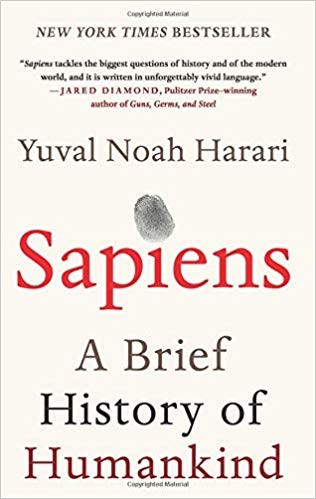
Read the summary → - Sapiens: A Brief History of Humankind
03
Sapiens: A Brief History of Humankind
Yuval Noah Harari · History
Sapiens traces the full arc of human history from the emergence of Homo sapiens in Africa roughly 70,000 years ago to the present.
A kindred economics read.
Read the summary →
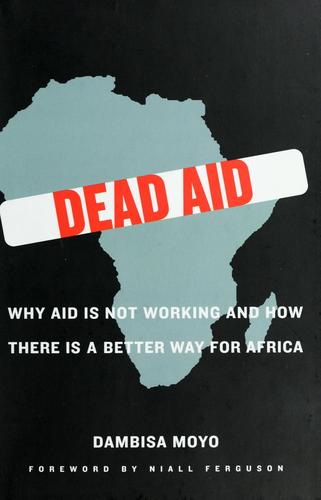
- Dead Aid: Why Aid Is Not Working and How There Is a Better Way for Africa
04
Dead Aid: Why Aid Is Not Working and How There Is a Better Way for Africa
Dambisa Moyo · Economics
Dead Aid is Dambisa Moyo's argument that the system of aid flowing from rich countries and multilateral institutions to sub-Saharan Africa has not only failed to generate growth but has actively made things worse.
Both dig into economic policy.
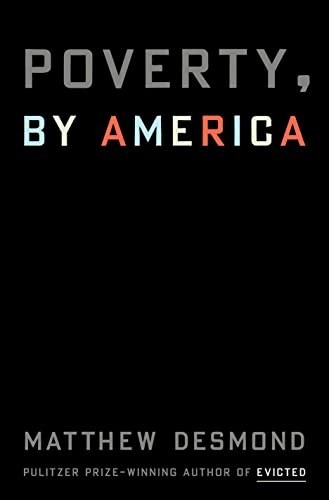
Read the summary → - Poverty, by America
05
Matthew Desmond · Economics
Poverty, by America is Matthew Desmond's follow-up to Evicted, and it makes a more explicit and polemical argument: poverty in the United States is not a natural condition or a problem of insufficient resources.
Both dig into poverty.
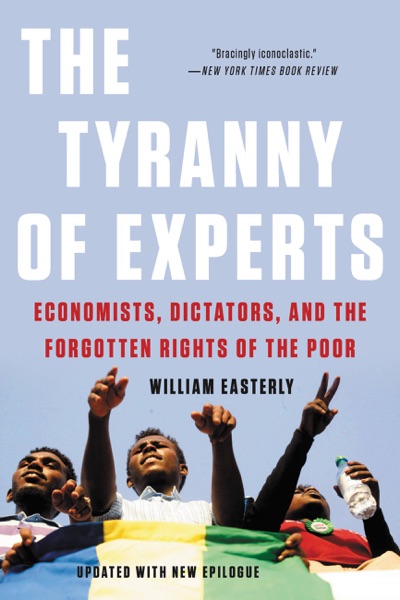
Read the summary → - The Tyranny of Experts
06
William Easterly · Economics
William Easterly spent years at the World Bank before concluding that international development as practiced by the major institutions is not only ineffective but actively harmful — harmful not primarily because it fails to deliver growth, though it frequently does, but because it suppresses the rights and agency of the people it claims to help.
Both dig into poverty.
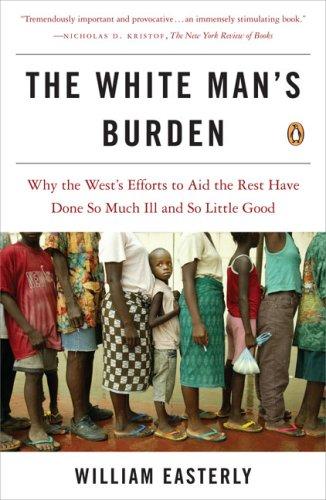
Read the summary → - The White Man's Burden: Why the West's Efforts to Aid the Rest Have Done So Much Ill and So Little Good
07
William Easterly · Economics
William Easterly spent two decades as a research economist at the World Bank before writing The White Man's Burden, and that institutional experience gives his critique of the development industry a quality that most outside critiques lack: he knows exactly how the machine works and why it produces what it does.
Both dig into poverty.
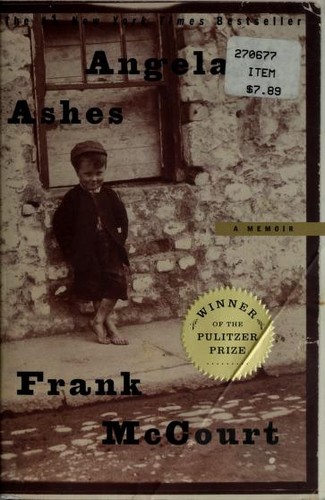
Read the summary → - Angela's Ashes
08
Frank McCourt · Memoir
Angela's Ashes is Frank McCourt's memoir of a catastrophically impoverished Irish Catholic childhood, first in Brooklyn and then in Limerick, during the 1930s and 1940s.
Both dig into poverty.
Read the summary → - Babel
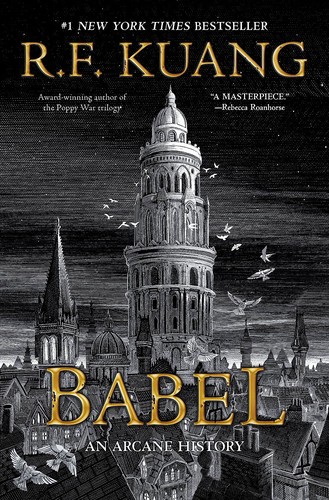
09
R.F. Kuang · Historical fiction
Set in an alternate 1830s Oxford, Babel imagines a Royal Institute of Translation at the heart of the British Empire — a place where silver bars engraved with translation "match-words" generate the industrial magic that powers British supremacy.
Both dig into colonialism.
Read the summary → - Behind the Beautiful Forevers: Life, Death, and Hope in a Mumbai Undercity
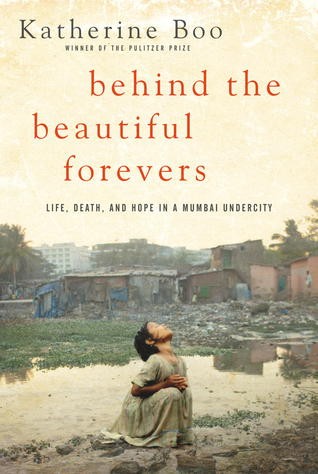
10
Behind the Beautiful Forevers: Life, Death, and Hope in a Mumbai Undercity
Katherine Boo · History
Behind the Beautiful Forevers is Katherine Boo's account of three years spent in Annawadi, a Mumbai slum built on reclaimed land next to the international airport.
Both dig into poverty.
Read the summary → - Bury My Heart at Wounded Knee: An Indian History of the American West
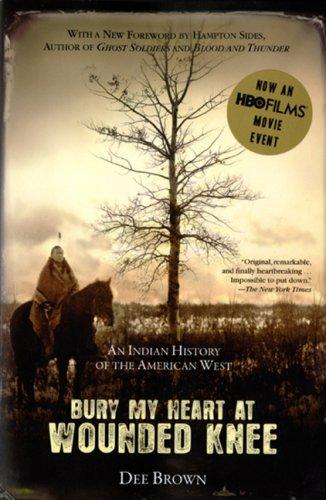
11
Bury My Heart at Wounded Knee: An Indian History of the American West
Dee Brown · History
Bury My Heart at Wounded Knee, published in 1970, is Dee Brown's account of the systematic dispossession of Native American peoples across the American West between 1860 and 1890.
Both dig into colonialism.
Read the summary → - Empire of Cotton: A Global History

12
Empire of Cotton: A Global History
Sven Beckert · History
Sven Beckert's Empire of Cotton argues that cotton was not just the raw material of the Industrial Revolution but the commodity through which modern capitalism was invented.
Both dig into colonialism.
Read the summary →
Books like The Divide: quick answers
What are the best books like The Divide?
The best books like The Divide by Jason Hickel are Why Nations Fail: The Origins of Power, Prosperity, and Poverty by Daron Acemoglu and James A. Robinson, The Bottom Billion: Why the Poorest Countries Are Failing and What Can Be Done About It by Paul Collier, Sapiens: A Brief History of Humankind by Yuval Noah Harari, Dead Aid: Why Aid Is Not Working and How There Is a Better Way for Africa by Dambisa Moyo, Poverty, by America by Matthew Desmond, plus 7 more below. Each was chosen for themes it shares with The Divide, such as global inequality, development, colonialism.
What should I read after The Divide?
A natural next read after The Divide is Why Nations Fail: The Origins of Power, Prosperity, and Poverty by Daron Acemoglu and James A. Robinson. Both dig into development. Other strong choices are The Bottom Billion: Why the Poorest Countries Are Failing and What Can Be Done About It by Paul Collier, Sapiens: A Brief History of Humankind by Yuval Noah Harari, Dead Aid: Why Aid Is Not Working and How There Is a Better Way for Africa by Dambisa Moyo.
What books are similar to The Divide by Jason Hickel?
The Divide centers on global inequality, development, colonialism. Books with a similar feel include Why Nations Fail: The Origins of Power, Prosperity, and Poverty by Daron Acemoglu and James A. Robinson, The Bottom Billion: Why the Poorest Countries Are Failing and What Can Be Done About It by Paul Collier, Sapiens: A Brief History of Humankind by Yuval Noah Harari, Dead Aid: Why Aid Is Not Working and How There Is a Better Way for Africa by Dambisa Moyo, Poverty, by America by Matthew Desmond, The Tyranny of Experts by William Easterly — all free to read and chat with on Superbook.
