Economics · Similar reads
Books like The High Cost of Free Parking
The best books like The High Cost of Free Parking are The Death and Life of Great American Cities, Freakonomics, and Nudge: Improving Decisions About Health, Wealth, and Happiness. The High Cost of Free Parking by Donald Shoup is about urban planning, parking policy, transportation economics. If that's what drew you in, here are 12 books that share its DNA — each summarized on Superbook, and ready to chat with in the app.
- The Death and Life of Great American Cities
01
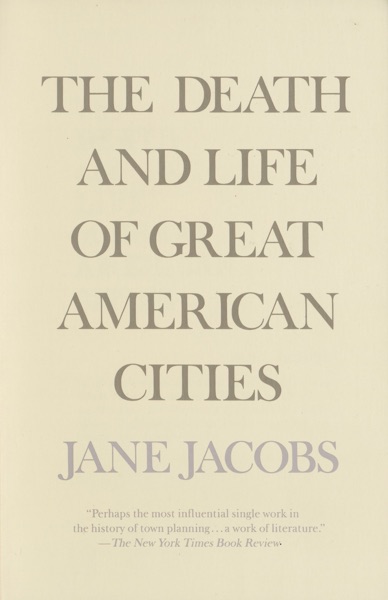
The Death and Life of Great American Cities
Jane Jacobs · Economics
The Death and Life of Great American Cities is Jane Jacobs's 1961 argument against the dominant urban planning orthodoxy of her era, and one of the most influential works of urban theory ever written.
Both dig into urban planning.
Read the summary → - Freakonomics
02
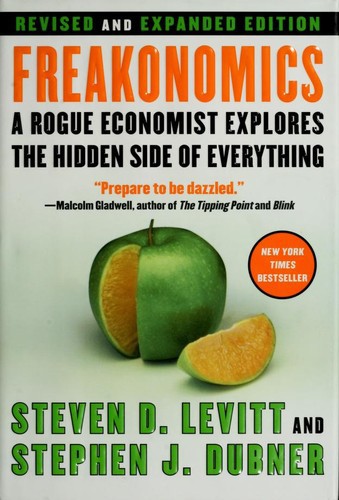
Steven D. Levitt and Stephen J. Dubner · Economics
Freakonomics is economist Steven Levitt and journalist Stephen Dubner's argument that economics — properly understood as the study of incentives — can explain things that look, on the surface, like they have nothing to do with money.
A kindred economics read.
Read the summary → - Nudge: Improving Decisions About Health, Wealth, and Happiness
03
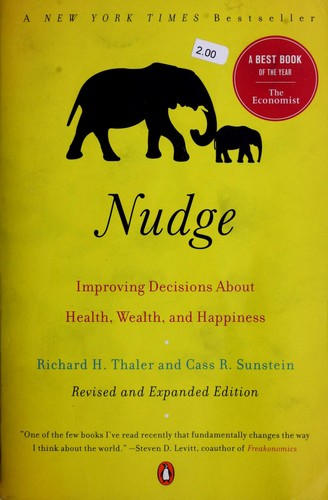
Nudge: Improving Decisions About Health, Wealth, and Happiness
Richard H. Thaler and Cass R. Sunstein · Economics
Nudge is Richard Thaler and Cass Sunstein's argument that the way choices are presented — the default option, the order of items, the framing of a question — powerfully shapes what people decide, often more than their own stated preferences.
A kindred economics read.
Read the summary →
- The Power Broker: Robert Moses and the Fall of New York
04
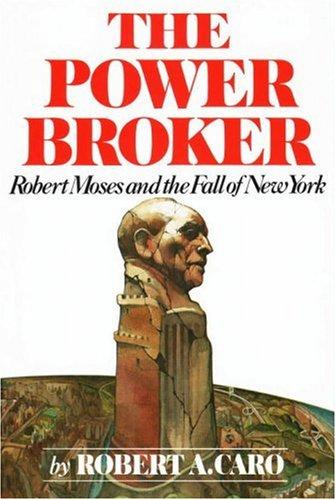
The Power Broker: Robert Moses and the Fall of New York
Robert A. Caro · Biography
Robert A.
Both dig into urban planning.
Read the summary → - 100 to 1 in the Stock Market
05
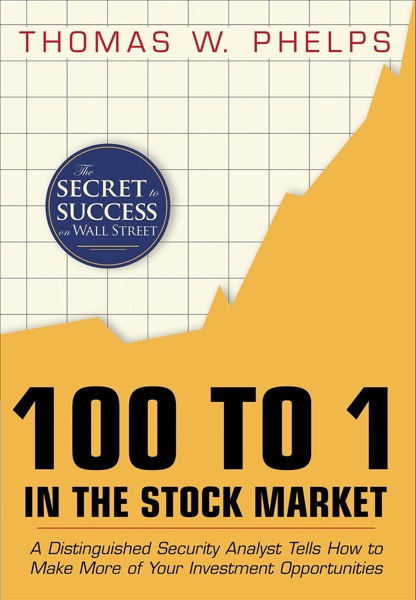
Thomas Phelps · Economics
100 to 1 in the Stock Market, published in 1972 by Thomas Phelps, is a study of the conditions under which stocks return one hundred times an investor's original investment — and an argument that such stocks are more common and more identifiable in advance than most investors believe.
A kindred economics read.
Read the summary → - A Random Walk Down Wall Street
06
A Random Walk Down Wall Street
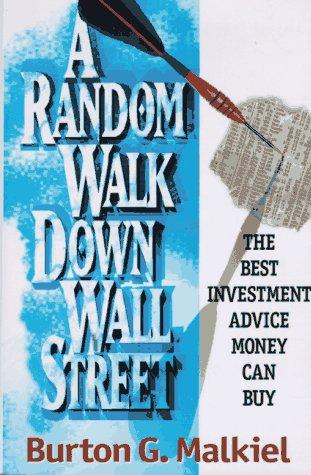
Burton G. Malkiel · Economics
A Random Walk Down Wall Street is Burton Malkiel's argument that stock prices move in a way that is effectively unpredictable, that professional fund managers cannot consistently beat the market, and that the rational response for most investors is to buy and hold a diversified index fund.
A kindred economics read.
Read the summary → - A Short History of Financial Euphoria
07
A Short History of Financial Euphoria
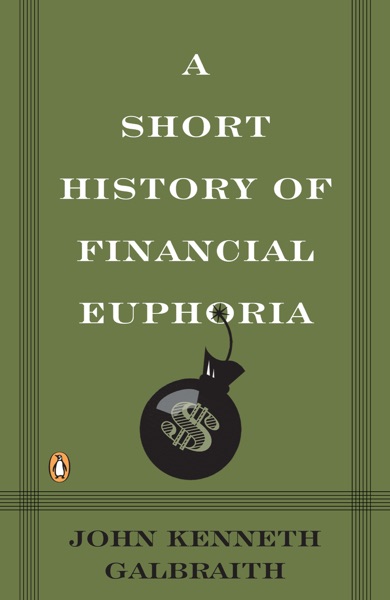
John Kenneth Galbraith · Economics
A Short History of Financial Euphoria is John Kenneth Galbraith's compressed account of speculative bubbles from the tulip mania of 1630s Holland through the 1987 US stock market crash.
A kindred economics read.
Read the summary → - A Wealth of Common Sense
08
Ben Carlson · Economics
A Wealth of Common Sense is Ben Carlson's argument that individual investors outperform most professionals not by being smarter but by doing fewer things and making fewer mistakes.
A kindred economics read.
Read the summary → - All About Asset Allocation
09
Richard A. Ferri · Economics
All About Asset Allocation is Richard Ferri's systematic guide to building and maintaining a diversified investment portfolio.
A kindred economics read.
Read the summary → - Basic Economics: A Common Sense Guide to the Economy
10
Basic Economics: A Common Sense Guide to the Economy
Thomas Sowell · Economics
Thomas Sowell published the first edition of Basic Economics in 2000 and has since revised and expanded it through five editions.
A kindred economics read.
Read the summary → - Beating the Street
11
Peter Lynch · Economics
Beating the Street is Peter Lynch's second book, written after he retired from the Fidelity Magellan Fund in 1990.
A kindred economics read.
Read the summary → - Buffettology
12
Mary Buffett · Economics
Buffettology is Mary Buffett and David Clark's attempt to systematize Warren Buffett's investment approach by working backward from decisions he made over several decades.
A kindred economics read.
Read the summary →
Books like The High Cost of Free Parking: quick answers
What are the best books like The High Cost of Free Parking?
The best books like The High Cost of Free Parking by Donald Shoup are The Death and Life of Great American Cities by Jane Jacobs, Freakonomics by Steven D. Levitt and Stephen J. Dubner, Nudge: Improving Decisions About Health, Wealth, and Happiness by Richard H. Thaler and Cass R. Sunstein, The Power Broker: Robert Moses and the Fall of New York by Robert A. Caro, 100 to 1 in the Stock Market by Thomas Phelps, plus 7 more below. Each was chosen for themes it shares with The High Cost of Free Parking, such as urban planning, parking policy, transportation economics.
What should I read after The High Cost of Free Parking?
A natural next read after The High Cost of Free Parking is The Death and Life of Great American Cities by Jane Jacobs. Both dig into urban planning. Other strong choices are Freakonomics by Steven D. Levitt and Stephen J. Dubner, Nudge: Improving Decisions About Health, Wealth, and Happiness by Richard H. Thaler and Cass R. Sunstein, The Power Broker: Robert Moses and the Fall of New York by Robert A. Caro.
What books are similar to The High Cost of Free Parking by Donald Shoup?
The High Cost of Free Parking centers on urban planning, parking policy, transportation economics. Books with a similar feel include The Death and Life of Great American Cities by Jane Jacobs, Freakonomics by Steven D. Levitt and Stephen J. Dubner, Nudge: Improving Decisions About Health, Wealth, and Happiness by Richard H. Thaler and Cass R. Sunstein, The Power Broker: Robert Moses and the Fall of New York by Robert A. Caro, 100 to 1 in the Stock Market by Thomas Phelps, A Random Walk Down Wall Street by Burton G. Malkiel — all free to read and chat with on Superbook.
