Science · Similar reads
Books like The Meaning of It All: Thoughts of a Citizen-Scientist
The best books like The Meaning of It All: Thoughts of a Citizen-Scientist are Surely You're Joking, Mr. Feynman!, The Demon-Haunted World, and A Brief History of Time. The Meaning of It All: Thoughts of a Citizen-Scientist by Richard P. Feynman is about science and religion, uncertainty, critical thinking. If that's what drew you in, here are 12 books that share its DNA — each summarized on Superbook, and ready to chat with in the app.
- Surely You're Joking, Mr. Feynman!
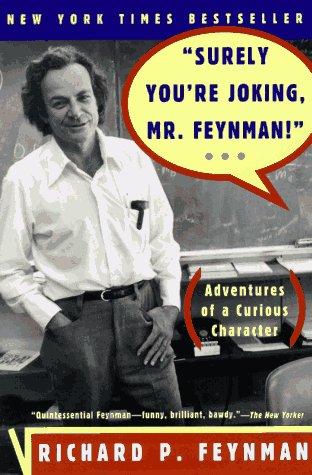
01
Surely You're Joking, Mr. Feynman!
Richard P. Feynman · Memoir
Surely You're Joking, Mr.
A kindred science read.
Read the summary → - The Demon-Haunted World
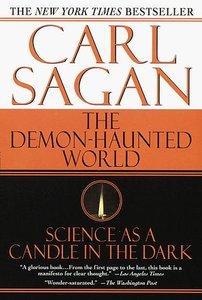
02
Carl Sagan · Science
The Demon-Haunted World is Carl Sagan's argument that science is not just a body of knowledge but a way of thinking — one that humanity needs badly and uses far too rarely.
Shares critical thinking and pseudoscience with The Meaning of It All: Thoughts of a Citizen-Scientist.
Read the summary → - A Brief History of Time
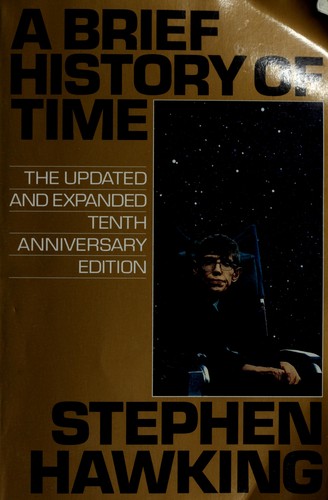
03
Stephen Hawking · Science
A Brief History of Time is Stephen Hawking's attempt to explain the biggest questions in physics — where the universe came from, how it behaves, and where it might be going — to readers with no scientific training.
A kindred science read.
Read the summary →
- The God Delusion
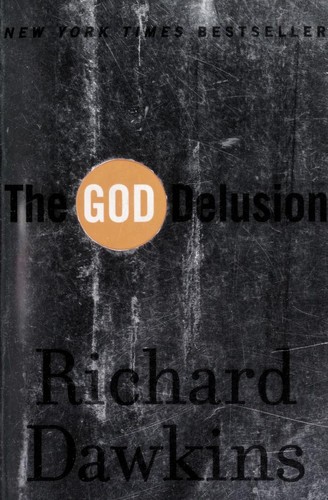
04
Richard Dawkins · Religion & Spirituality
The God Delusion is Richard Dawkins' comprehensive case against religious belief, published in 2006 as the most high-profile work of the New Atheist movement.
A kindred science read.
Read the summary → - The Art of Statistics: How to Learn from Data
05
The Art of Statistics: How to Learn from Data
David Spiegelhalter · Science
David Spiegelhalter is one of Britain's most prominent statisticians, and this book is his attempt to translate statistical thinking for a general audience without dumbing it down.
Shares uncertainty and critical thinking with The Meaning of It All: Thoughts of a Citizen-Scientist.
Read the summary → - How Not to Be Wrong: The Power of Mathematical Thinking
06
How Not to Be Wrong: The Power of Mathematical Thinking
Jordan Ellenberg · Science
Jordan Ellenberg is a research mathematician who writes as if mathematics is something you would want to think about over dinner.
Both dig into critical thinking.
Read the summary → - The Black Swan: The Impact of the Highly Improbable
07
The Black Swan: The Impact of the Highly Improbable
Nassim Nicholas Taleb · Science
The Black Swan is Nassim Nicholas Taleb's argument that the most consequential events in history — financial crashes, technological breakthroughs, wars, pandemics — are not predictable outliers but structurally unpredictable ones.
Both dig into uncertainty.
Read the summary → - The Signal and the Noise
08
Nate Silver · Science
Nate Silver made his reputation predicting baseball statistics and then political elections.
Both dig into uncertainty.
Read the summary → - A Rulebook for Arguments
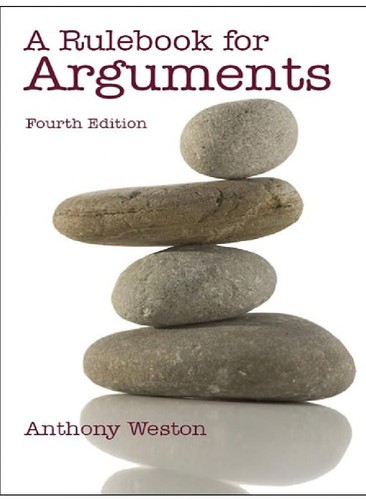
09
Anthony Weston · Philosophy
A Rulebook for Arguments is Anthony Weston's slim, widely assigned handbook on how to build and judge arguments.
Both dig into critical thinking.
Read the summary → - Age of Propaganda: The Everyday Use and Abuse of Persuasion
10
Age of Propaganda: The Everyday Use and Abuse of Persuasion
Anthony Pratkanis and Elliot Aronson · Psychology
Anthony Pratkanis and Elliot Aronson's central concern is that modern media, advertising, and politics have optimized for propaganda techniques that bypass critical reasoning and exploit psychological vulnerabilities.
Both dig into critical thinking.
Read the summary → - Complications
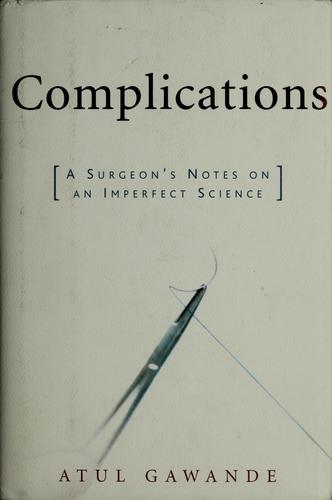
11
Atul Gawande · Health
Complications is Atul Gawande's first collection of essays, drawn from his New Yorker writing and his early years as a surgical resident at Brigham and Women's Hospital.
Both dig into uncertainty.
Read the summary → - Democracy in America
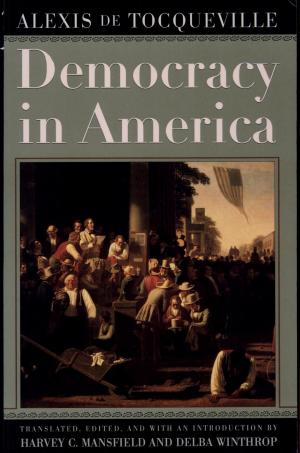
12
Alexis de Tocqueville · History
Democracy in America, published in two volumes in 1835 and 1840, is Alexis de Tocqueville's analysis of the democratic experiment in the United States as a model for what was coming to Europe.
Both dig into democracy.
Read the summary →
Books like The Meaning of It All: Thoughts of a Citizen-Scientist: quick answers
What are the best books like The Meaning of It All: Thoughts of a Citizen-Scientist?
The best books like The Meaning of It All: Thoughts of a Citizen-Scientist by Richard P. Feynman are Surely You're Joking, Mr. Feynman! by Richard P. Feynman, The Demon-Haunted World by Carl Sagan, A Brief History of Time by Stephen Hawking, The God Delusion by Richard Dawkins, The Art of Statistics: How to Learn from Data by David Spiegelhalter, plus 7 more below. Each was chosen for themes it shares with The Meaning of It All: Thoughts of a Citizen-Scientist, such as science and religion, uncertainty, critical thinking.
What should I read after The Meaning of It All: Thoughts of a Citizen-Scientist?
A natural next read after The Meaning of It All: Thoughts of a Citizen-Scientist is Surely You're Joking, Mr. Feynman! by Richard P. Feynman. A kindred science read. Other strong choices are The Demon-Haunted World by Carl Sagan, A Brief History of Time by Stephen Hawking, The God Delusion by Richard Dawkins.
What books are similar to The Meaning of It All: Thoughts of a Citizen-Scientist by Richard P. Feynman?
The Meaning of It All: Thoughts of a Citizen-Scientist centers on science and religion, uncertainty, critical thinking. Books with a similar feel include Surely You're Joking, Mr. Feynman! by Richard P. Feynman, The Demon-Haunted World by Carl Sagan, A Brief History of Time by Stephen Hawking, The God Delusion by Richard Dawkins, The Art of Statistics: How to Learn from Data by David Spiegelhalter, How Not to Be Wrong: The Power of Mathematical Thinking by Jordan Ellenberg — all free to read and chat with on Superbook.
