Business · Similar reads
Books like The Way of the Shepherd
The best books like The Way of the Shepherd are Servant Leadership, Leaders Eat Last, and The New One Minute Manager. The Way of the Shepherd by Kevin Leman and William Pentak is about leadership, servant leadership, people management. If that's what drew you in, here are 12 books that share its DNA — each summarized on Superbook, and ready to chat with in the app.
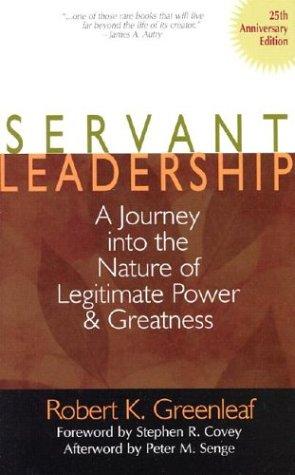
- Servant Leadership
01
Robert K. Greenleaf · Business
Servant Leadership is Robert Greenleaf's foundational essay collection arguing that the best leaders start not with the desire to lead but with the desire to serve — and that this reversal of priority produces qualitatively different leadership.
Both dig into servant leadership.
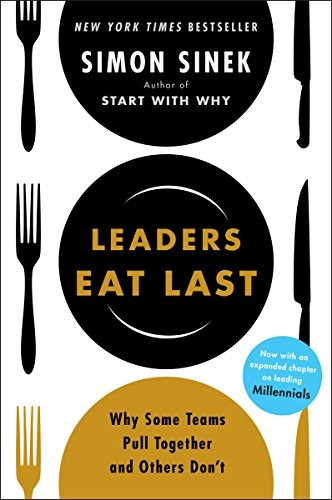
Read the summary → - Leaders Eat Last
02
Simon Sinek · Business
Leaders Eat Last is Simon Sinek's argument that the best organizations run on a feeling he calls the Circle of Safety — an environment where people trust that the people above them in the hierarchy have their interests at heart.
Shares leadership and trust with The Way of the Shepherd.
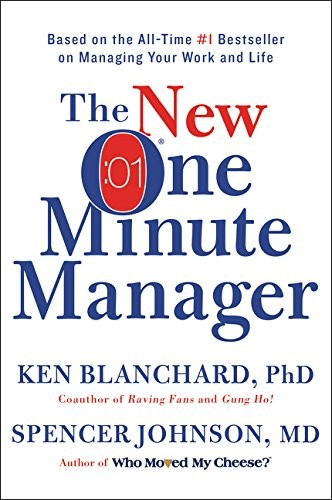
Read the summary → - The New One Minute Manager
03
Kenneth Blanchard and Spencer Johnson · Business
The New One Minute Manager is a 2015 update to Kenneth Blanchard and Spencer Johnson's 1982 classic, rewritten to account for flatter organizations, collaborative work environments, and the shift from managers as controllers to managers as enablers.
Both dig into leadership.
Read the summary →
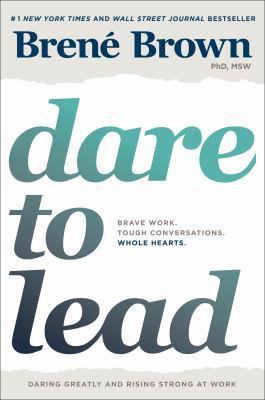
- Dare to Lead
04
Brené Brown · Business
Dare to Lead is Brené Brown's application of her research on vulnerability and courage to the specific context of leadership.
Shares leadership and trust with The Way of the Shepherd.
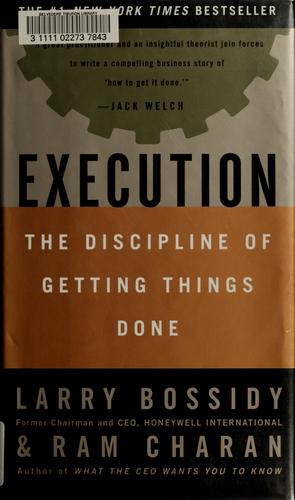
Read the summary → - Execution
05
Larry Bossidy and Ram Charan · Business
Execution is Larry Bossidy and Ram Charan's argument that the biggest gap in business is not strategy but implementation.
Shares leadership and people management with The Way of the Shepherd.
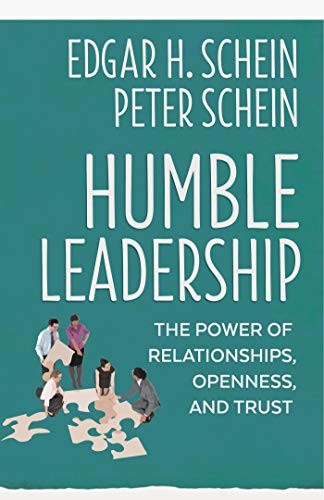
Read the summary → - Humble Leadership
06
Edgar H. Schein and Peter A. Schein · Business
Humble Leadership is Edgar Schein and Peter Schein's argument that the command-and-control model of management is failing precisely when organizations need it most.
Shares leadership and trust with The Way of the Shepherd.
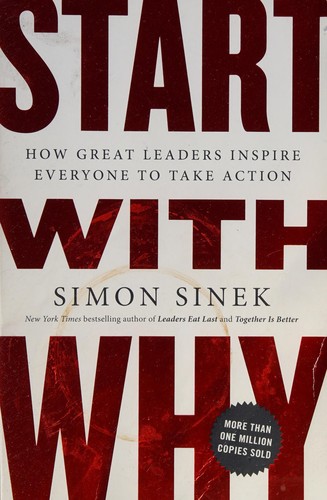
Read the summary → - Start with Why
07
Simon Sinek · Business
Start with Why is Simon Sinek's argument that the most influential leaders and organizations in history didn't succeed because they made better products or ran smarter campaigns.
Shares leadership and trust with The Way of the Shepherd.
Read the summary → - The Connected Leader

08
Emmanuel Gobillot · Business
The Connected Leader is Emmanuel Gobillot's argument that traditional command-and-control leadership is giving way to a model built on genuine connection, community, and shared meaning.
Shares leadership and trust with The Way of the Shepherd.
Read the summary → - The Five Dysfunctions of a Team
09
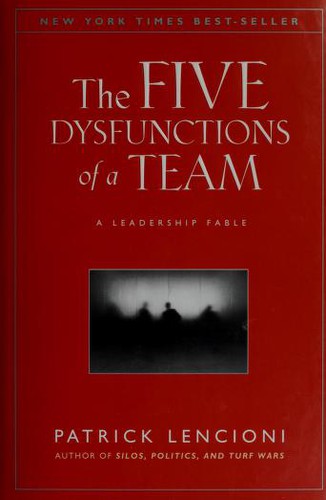
The Five Dysfunctions of a Team
Patrick Lencioni · Business
The Five Dysfunctions of a Team is Patrick Lencioni's argument that most teams fail not because of strategy, talent, or resources, but because of five specific, predictable behavioral problems that compound on each other.
Shares leadership and trust with The Way of the Shepherd.
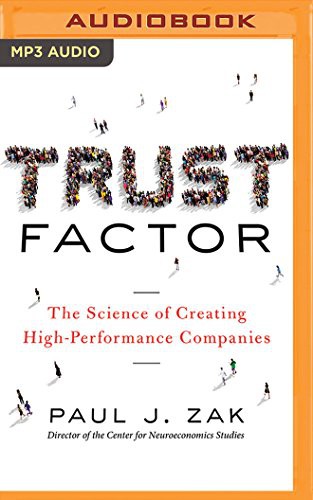
Read the summary → - The Trust Factor
10
Paul J. Zak · Business
The Trust Factor is Paul Zak's attempt to build an evidence-based case for why trust in organizations is not a soft management concept but a measurable biological phenomenon with hard consequences for performance.
Shares leadership and trust with The Way of the Shepherd.
Read the summary → - Accelerate

11
Nicole Forsgren, Jez Humble, and Gene Kim · Business
Accelerate is the research-backed account of what actually makes software delivery teams fast without sacrificing stability.
Both dig into leadership.
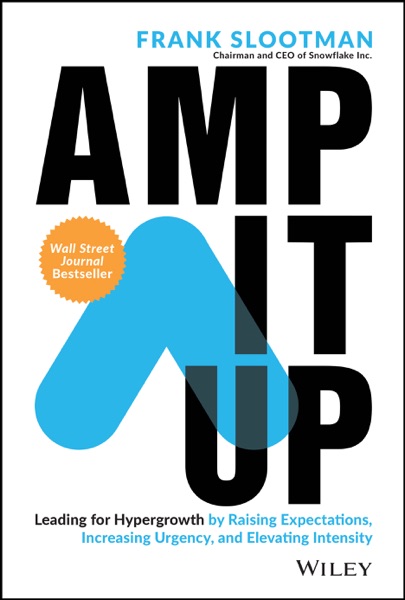
Read the summary → - Amp It Up: Leading for Hypergrowth by Raising Expectations, Increasing Urgency, and Elevating Intensity
12
Frank Slootman · Business
Amp It Up is Frank Slootman's account of how he approaches leading organizations through rapid growth.
Both dig into leadership.
Read the summary →
Books like The Way of the Shepherd: quick answers
What are the best books like The Way of the Shepherd?
The best books like The Way of the Shepherd by Kevin Leman and William Pentak are Servant Leadership by Robert K. Greenleaf, Leaders Eat Last by Simon Sinek, The New One Minute Manager by Kenneth Blanchard and Spencer Johnson, Dare to Lead by Brené Brown, Execution by Larry Bossidy and Ram Charan, plus 7 more below. Each was chosen for themes it shares with The Way of the Shepherd, such as leadership, servant leadership, people management.
What should I read after The Way of the Shepherd?
A natural next read after The Way of the Shepherd is Servant Leadership by Robert K. Greenleaf. Both dig into servant leadership. Other strong choices are Leaders Eat Last by Simon Sinek, The New One Minute Manager by Kenneth Blanchard and Spencer Johnson, Dare to Lead by Brené Brown.
What books are similar to The Way of the Shepherd by Kevin Leman and William Pentak?
The Way of the Shepherd centers on leadership, servant leadership, people management. Books with a similar feel include Servant Leadership by Robert K. Greenleaf, Leaders Eat Last by Simon Sinek, The New One Minute Manager by Kenneth Blanchard and Spencer Johnson, Dare to Lead by Brené Brown, Execution by Larry Bossidy and Ram Charan, Humble Leadership by Edgar H. Schein and Peter A. Schein — all free to read and chat with on Superbook.
