History · Similar reads
Books like Why Don't We Learn from History?
The best books like Why Don't We Learn from History? are The Guns of August, The Art of War, and Thinking, Fast and Slow. Why Don't We Learn from History? by B.H. Liddell Hart is about historical thinking, military strategy, human nature. If that's what drew you in, here are 12 books that share its DNA — each summarized on Superbook, and ready to chat with in the app.
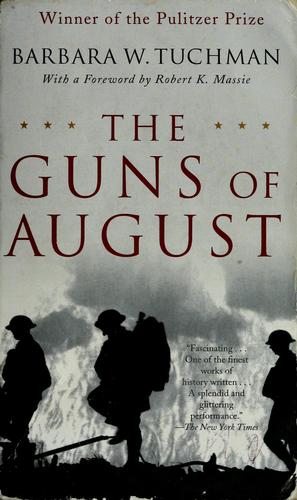
- The Guns of August
01
Barbara Tuchman · History
The Guns of August covers the first month of the First World War — from the funeral of King Edward VII in May 1910 to the stalled offensives of September 1914 — with a level of narrative authority and moral clarity that has made it the defining popular history of the war's opening disaster.
Both dig into military strategy.
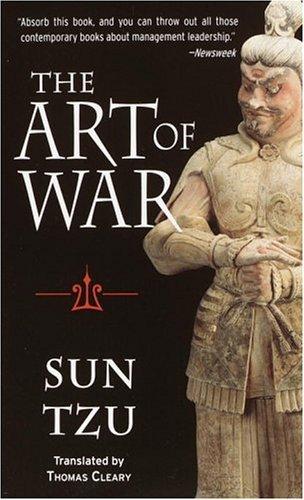
Read the summary → - The Art of War
02
Sun Tzu · Philosophy
The Art of War is a Chinese military treatise attributed to Sun Tzu, a general and strategist believed to have lived in the fifth century BCE.
A kindred history read.
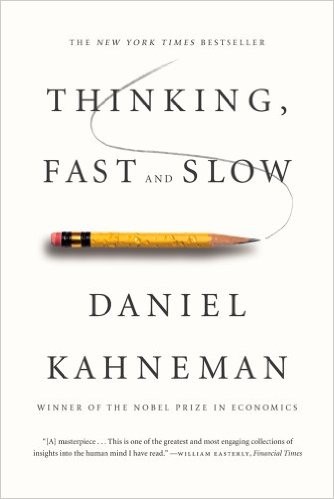
Read the summary → - Thinking, Fast and Slow
03
Daniel Kahneman · Psychology
Thinking, Fast and Slow is Daniel Kahneman's account of the two cognitive systems that govern human thought.
A kindred history read.
Read the summary →
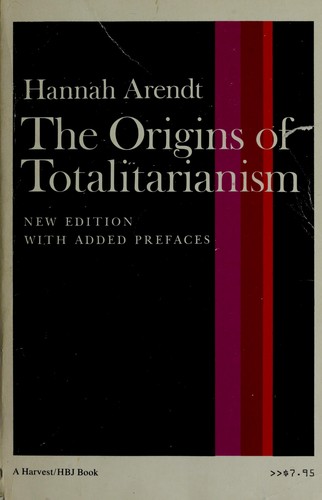
- The Origins of Totalitarianism
04
The Origins of Totalitarianism
Hannah Arendt · History
Hannah Arendt published The Origins of Totalitarianism in 1951, just six years after the end of World War II.
A kindred history read.
Read the summary → - America's Bank: The Epic Struggle to Create the Federal Reserve
05
America's Bank: The Epic Struggle to Create the Federal Reserve
Roger Lowenstein · History
The Federal Reserve was created in 1913, but the story of how it came into existence spans three decades and involves a level of political resistance, financial panic, and legislative maneuvering that makes the eventual outcome seem unlikely in retrospect.
Both dig into politics.
Read the summary → - American Nations
06
Colin Woodard · History
American Nations is Colin Woodard's argument that North America is not a single nation but a continent of 11 distinct regional cultures, each founded by different waves of settlers with different values, institutions, and political philosophies, and that understanding those foundational cultures is more useful for explaining American political conflict than the standard red-state/blue-state framing.
Both dig into politics.
Read the summary → - Battle Cry of Freedom: The Civil War Era
07
Battle Cry of Freedom: The Civil War Era
James M. McPherson · History
James McPherson's Battle Cry of Freedom, published in 1988, is the standard one-volume history of the Civil War era and won the Pulitzer Prize in the year of its publication.
Both dig into military strategy.
Read the summary → - Fiasco: The American Military Adventure in Iraq
08
Fiasco: The American Military Adventure in Iraq
Thomas E. Ricks · History
Thomas Ricks was the Pentagon correspondent for the Washington Post when he wrote Fiasco, and the book reflects years of direct access to the military officials, planners, and soldiers involved in the Iraq War.
Both dig into military strategy.
Read the summary → - History of the Peloponnesian War
09
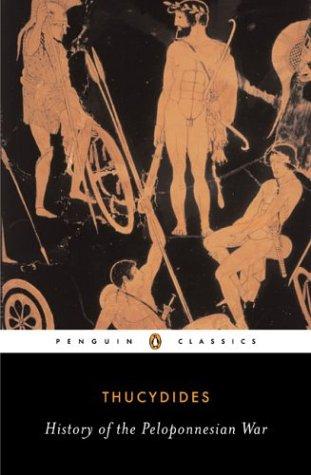
History of the Peloponnesian War
Thucydides · History
Thucydides' account of the twenty-seven-year conflict between Athens and Sparta stands as the founding document of political realism and the first work of history that treats evidence and causation as problems to be solved rather than stories to be told.
Both dig into human nature.
Read the summary → - Strategy: The Indirect Approach

10
Strategy: The Indirect Approach
B. H. Liddell Hart · History
Strategy: The Indirect Approach, first published in 1929 and substantially revised and expanded through a definitive 1954 edition, is Basil Liddell Hart's argument that the most effective military strategies throughout history have been indirect — working around an opponent's strength rather than against it — and that direct confrontation, however courageous, tends to be costly and inconclusive.
Both dig into military strategy.
Read the summary → - The End of History and the Last Man
11
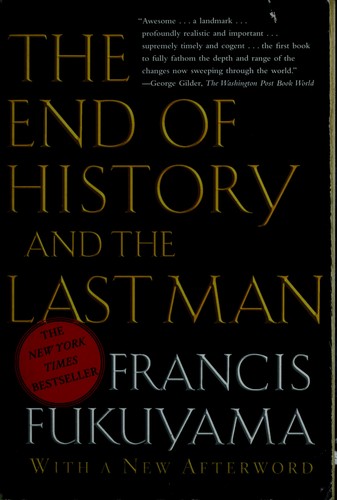
The End of History and the Last Man
Francis Fukuyama · History
Francis Fukuyama's The End of History and the Last Man was published in 1992, following the collapse of the Soviet Union and the apparent triumph of liberal democracy as the world's dominant political model.
Both dig into human nature.
Read the summary → - The Lessons of History
12
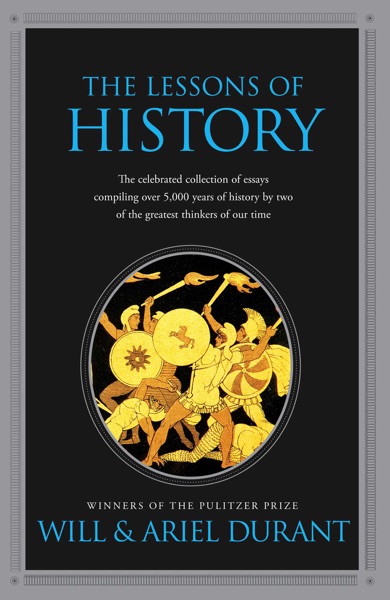
Will & Ariel Durant · History
The Lessons of History is the Durants' distillation of their eleven-volume The Story of Civilization — a project that consumed forty years — into a slim, hundred-page essay.
Both dig into human nature.
Read the summary →
Books like Why Don't We Learn from History?: quick answers
What are the best books like Why Don't We Learn from History??
The best books like Why Don't We Learn from History? by B.H. Liddell Hart are The Guns of August by Barbara Tuchman, The Art of War by Sun Tzu, Thinking, Fast and Slow by Daniel Kahneman, The Origins of Totalitarianism by Hannah Arendt, America's Bank: The Epic Struggle to Create the Federal Reserve by Roger Lowenstein, plus 7 more below. Each was chosen for themes it shares with Why Don't We Learn from History?, such as historical thinking, military strategy, human nature.
What should I read after Why Don't We Learn from History??
A natural next read after Why Don't We Learn from History? is The Guns of August by Barbara Tuchman. Both dig into military strategy. Other strong choices are The Art of War by Sun Tzu, Thinking, Fast and Slow by Daniel Kahneman, The Origins of Totalitarianism by Hannah Arendt.
What books are similar to Why Don't We Learn from History? by B.H. Liddell Hart?
Why Don't We Learn from History? centers on historical thinking, military strategy, human nature. Books with a similar feel include The Guns of August by Barbara Tuchman, The Art of War by Sun Tzu, Thinking, Fast and Slow by Daniel Kahneman, The Origins of Totalitarianism by Hannah Arendt, America's Bank: The Epic Struggle to Create the Federal Reserve by Roger Lowenstein, American Nations by Colin Woodard — all free to read and chat with on Superbook.
