
Topic · 10 books
The best books on career navigation
Career navigation is the practice of making deliberate choices about how you spend your working life — which skills to build, which opportunities to pursue, and how to align financial progress with meaningful work. It matters because the old script (find a field, climb the ladder, retire) no longer describes how most careers actually unfold. Reading widely in this field gives you a map of the forces shaping modern work and a set of frameworks for making better decisions than the ones defaulted into.
-
01
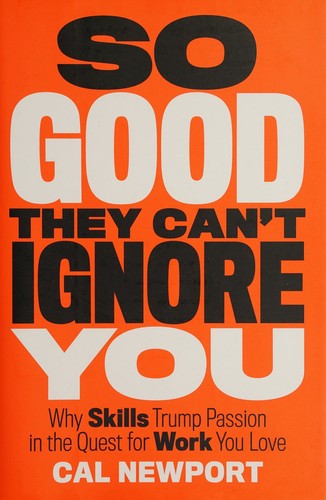
Cal Newport
Newport's central argument — that 'follow your passion' is dangerous advice and career capital (rare, valuable skills) is what actually buys autonomy and satisfaction — is the intellectual foundation the rest of this list builds on. The craftsman mindset it proposes is specific enough to act on.
-
02
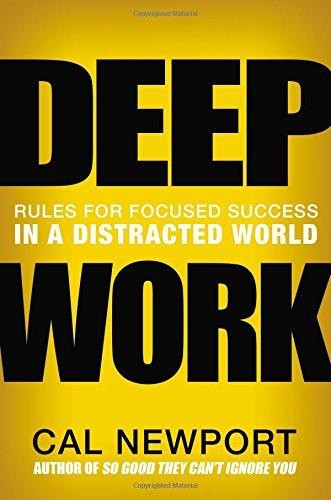
Cal Newport
The practical follow-up to So Good They Can't Ignore You: if career capital comes from rare skills, those skills require long uninterrupted focus, which is increasingly scarce and therefore increasingly valuable. Newport makes the economic case as much as the productivity case.
-
03
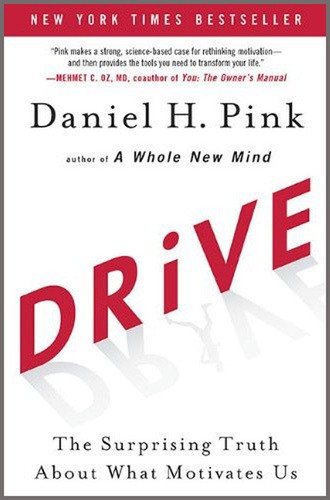
Drive: The Surprising Truth About What Motivates Us
Daniel H. Pink
Daniel Pink's synthesis of decades of motivation research reaches a clean conclusion: extrinsic rewards undermine intrinsic motivation for complex work, while autonomy, mastery, and purpose sustain it. The framework maps cleanly onto career design decisions — what to optimize for at different stages.
-
Read these with Superbook
Chat with any book on this list — ask questions, get answers tuned to you.
-
04
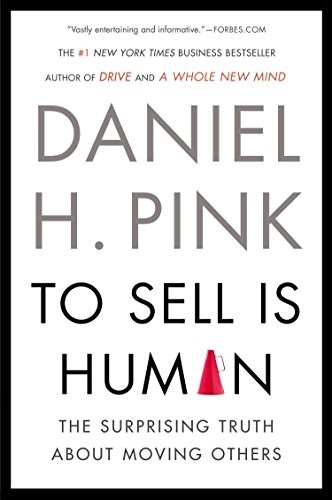
Daniel H. Pink
Pink reframes selling not as persuasion tactics but as moving people — a skill required in almost every knowledge-work role. His analysis of how the information asymmetry between seller and buyer has reversed reshapes how to think about career influence and credibility.
-
05
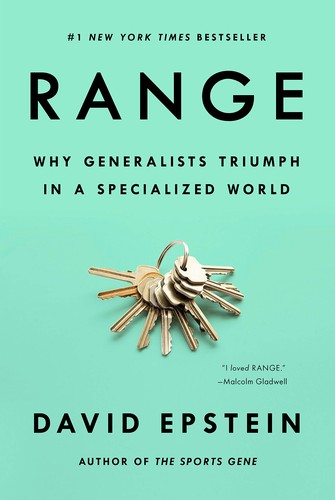
Range: Why Generalists Triumph in a Specialized World
David Epstein
Epstein's challenge to the early-specialization story: in complex, unpredictable domains, broad sampling and late commitment outperform the 10,000-hours path. Particularly useful for people who feel behind because they haven't specialized yet — or who are weighing a pivot.
-
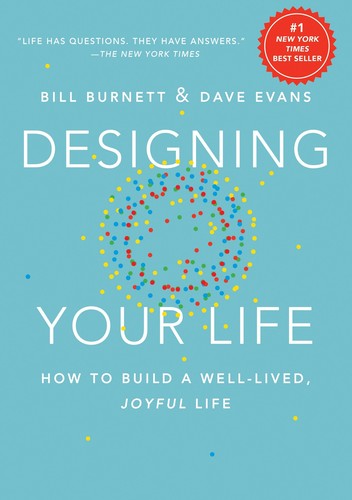
06
Bill Burnett and Dave Evans
Stanford design-thinking applied to career decisions: prototype different possible futures, test assumptions, and avoid the trap of treating career choice as a single high-stakes optimization problem. More actionable than most career books because it treats the question as iterative rather than final.
-
07
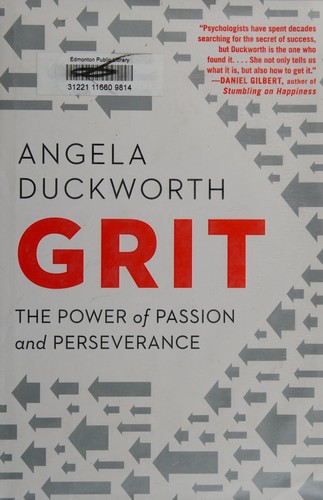
Grit: The Power of Passion and Perseverance
Angela Duckworth
Duckworth's research distinguishes talent from achievement and identifies sustained, deliberate effort as the primary differentiator in long career arcs. Relevant to the career capital argument: the ability to work hard on hard things for a long time is itself a rare and valuable skill.
-
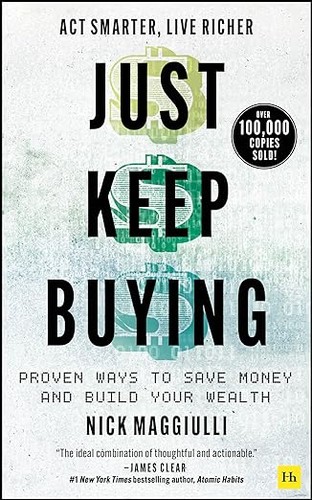
08
Nick Maggiulli
Nick Maggiulli separates the financial decisions that matter in early career (savings rate dominates, investment decisions matter less) from those that matter later (portfolio behavior matters more). The title is both strategy and mindset: consistency through volatility compounds more than optimization during calm.
-
09
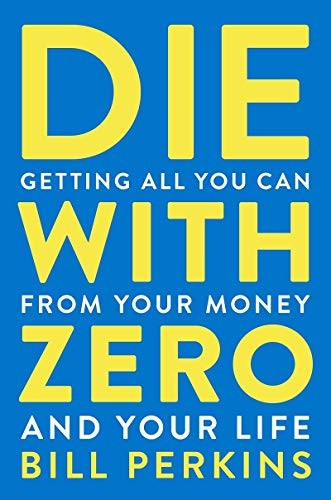
Bill Perkins
Bill Perkins makes the case that deferring all experiences to retirement is a form of waste — experiences compound in memory and return on investment peaks at different life phases. A useful corrective to pure accumulation thinking and a prompt to align financial decisions with career timing.
-
10
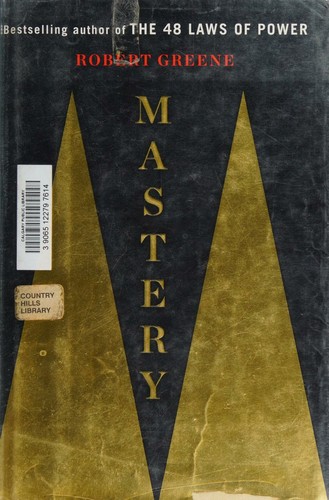
Robert Greene
Robert Greene's study of how high performers across disciplines moved from apprenticeship through creative mastery identifies patterns that run beneath domain-specific advice. The emphasis on finding mentors and on the apprenticeship phase as a period of deliberate observation rather than ambition is particularly useful early in a career.
More about this list
The books on this list build on each other in a specific way. Cal Newport opens the argument: passion is a poor guide, and rare, valuable skills are the currency that buys career capital — autonomy, creative challenge, and good pay. Daniel Pink expands the picture outward, showing what actually motivates sustained effort across a working life: mastery, autonomy, and purpose working together rather than separately.
From there the list turns to questions of scope and timing. David Epstein's Range complicates the 10,000-hours story: many high-performers sample widely before committing, and late specialization turns out to be an asset in wicked, unpredictable domains. The 80,000 Hours perspective — represented here by its intellectual scaffolding — pushes still further: which career paths compound into the most impact over a full working life, not just the next promotion cycle?
The back half of the list deals with the financial arc that runs underneath career decisions. Nick Maggiulli's Just Keep Buying reframes the standard advice by separating the accumulation problem (spend less, save more) from the investment problem (keep buying through volatility) and showing when each matters most. Die With Zero takes the opposite-seeming position — not as recklessness but as a reminder to time experiences to life phases when they're most valuable.
Read together, the ten books form a single argument: career success is a compounding process that rewards specific skill-building, honest self-assessment, sustained effort, and a financial strategy that doesn't defer everything to an abstract future.
