
Topic · 12 books
The best books on productivity and focus
Productivity and focus sit at the intersection of neuroscience, philosophy, and self-management. The field has exploded since the smartphone era revealed how fragile human attention really is, spawning a cottage industry of systems — from GTD to time-blocking to essentialism — alongside a serious philosophical countermovement that asks whether optimizing your days is the right goal in the first place.
-
01
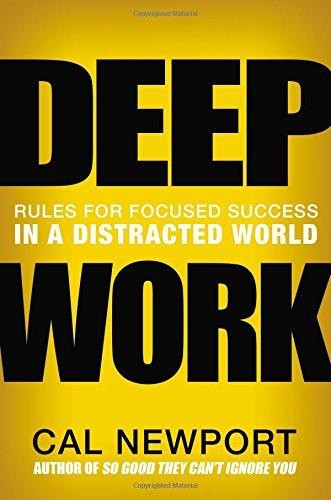
Cal Newport
Newport's central claim — that the ability to concentrate without distraction is becoming rare and simultaneously more valuable — gives the whole productivity genre a sharper edge. The book that most clearly articulates what is actually lost when you check your phone every eight minutes.
-
02
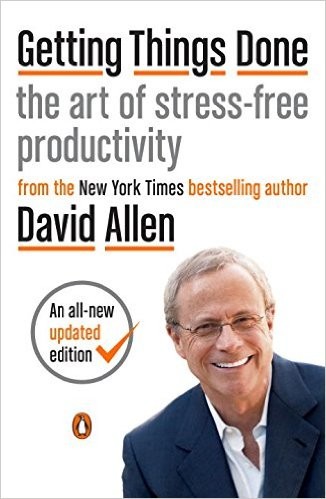
David Allen
David Allen's 2001 system remains the canonical reference for externalizing the cognitive overhead of commitments. GTD is less about efficiency than about psychological closure: the weekly review and the trusted system exist so your brain stops burning cycles on undone things.
-
03
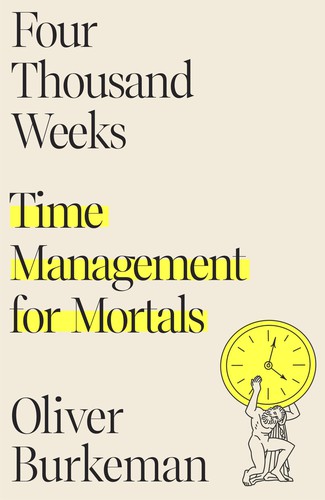
Four Thousand Weeks: Time Management for Mortals
Oliver Burkeman
Oliver Burkeman dismantles the productivity industry's implicit premise — that if you just get organized enough, you'll finally feel on top of things. The counter-argument is philosophical: you have roughly 4,000 weeks alive, the inbox will never be empty, and accepting that changes what choices are worth making.
-
Read these with Superbook
Chat with any book on this list — ask questions, get answers tuned to you.
-
04
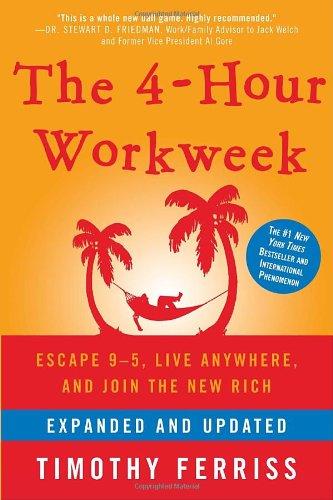
Timothy Ferriss
The book that evangelized lifestyle design, outsourcing, and the 80/20 principle for personal time management. Whatever you think of Ferriss's bravado, the underlying questions — which tasks actually matter, which meetings are theater, what work requires your physical presence — are still worth asking.
-
05
James Clear
Clear's system-over-goals framework is the most practically accessible entry point for building productive routines. The insight that habits are not about willpower but about environment design and identity change has real behavioral science behind it.
-
06
The Shallows: What the Internet Is Doing to Our Brains
Nicholas Carr
Carr's Pulitzer finalist makes the structural case for why sustained reading and deep thought feel harder in the internet age — not as cultural complaint but as a description of neural plasticity. Essential context for why productivity is a problem at all in the 21st century.
-
07
Essentialism: The Disciplined Pursuit of Less
Greg McKeown
McKeown's argument is that most people are busy with things that don't matter, and that the disciplined pursuit of less — deliberate trade-offs rather than trying to do everything — is what actually produces results. A clean extension of the 80/20 principle into career and life design.
-
08
Indistractable: How to Control Your Attention and Choose Your Life
Nir Eyal
Nir Eyal — who previously wrote the book on how to make products addictive (Hooked) — turns the analysis inward. Indistractable is more honest than most focus books about the psychological roots of distraction: that it's usually an escape from internal discomfort, not just external interruption.
-
09
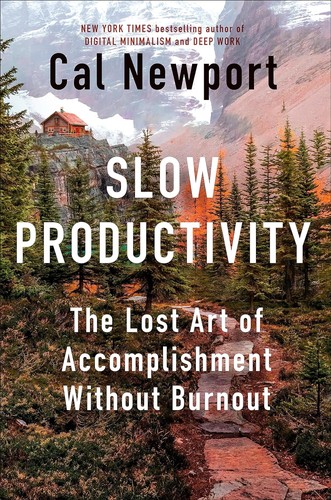
Cal Newport
Newport's most recent contribution pulls back from the individual tactics of Deep Work to critique the pseudo-productivity of constant visible busyness in knowledge work. The prescription — fewer things, natural paces, quality obsession — lands differently in an era of Slack and async expectation.
-
10
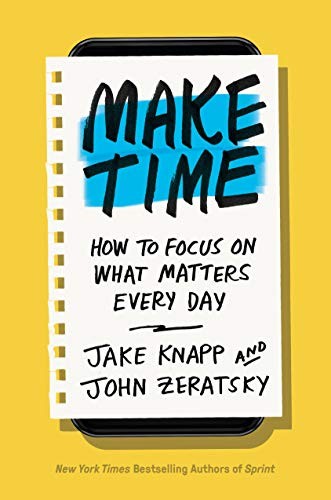
Jake Knapp and John Zeratsky
Former Google Ventures designers Jake Knapp and John Zeratsky offer a lower-pressure system than GTD: pick one daily highlight, reduce infinity pool access, reflect each evening. Less philosophical than Burkeman, more actionable than Newport — useful for readers who want a light-weight practice rather than an ideology.
-
11
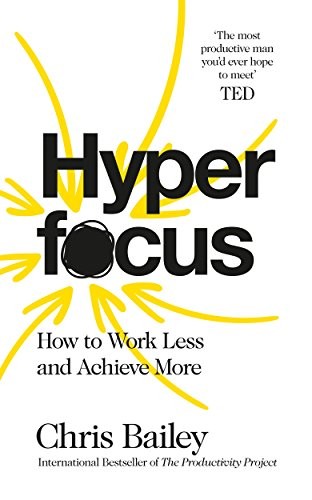
Chris Bailey
Chris Bailey's distinction between hyperfocus (deep, intentional concentration on a single task) and scatterfocus (deliberately mind-wandering to process and connect ideas) is one of the more empirically grounded productivity frameworks. Pairs well with Deep Work as a look at what focus actually is neurologically.
-
12
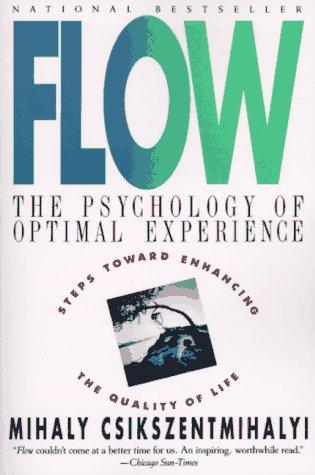
Flow: The Psychology of Optimal Experience
Mihaly Csikszentmihalyi
Csikszentmihalyi's foundational research on the state of complete absorption in a challenge just beyond your current skill level predates the modern productivity genre but underpins much of it. Understanding what flow is and what conditions produce it is prior to any system for getting more of it.
More about this list
The books on this list trace an arc from problem to prescription to pushback. The story begins with attention itself: Nicholas Carr and Adam Gazzaley document what heavy internet use and constant notification pings do to the brain's capacity for sustained thought. Once you understand the stakes, the systems books start to make more sense — David Allen's GTD is not about doing more, it's about closing open loops so your mind can rest; Cal Newport's deep work is not productivity advice so much as an argument about what knowledge work actually produces value.
The middle of the list covers the practical infrastructure: habits, essentialism, time management, and the question of when to work rather than just how. But the list ends somewhere different. Tim Ferriss's 4-Hour Workweek turbocharged the efficiency-maximization tradition; Oliver Burkeman's Four Thousand Weeks is partly a rebuttal to it — an argument that the whole project of getting on top of your to-do list is a distraction from what finitude actually demands of you. Reading these two back to back is more useful than reading either alone.
