
Topic · 10 books
The best books on habits and behavior change
Habits and behavior change sits at the intersection of neuroscience, psychology, and practical self-management. Understanding how behaviors form and persist matters because most of what people do daily runs on autopilot — and that autopilot can either work for or against long-term goals. Research from the past two decades has transformed vague self-help intuitions into testable models of cue-routine-reward loops, identity-based change, and motivation architecture.
-
01
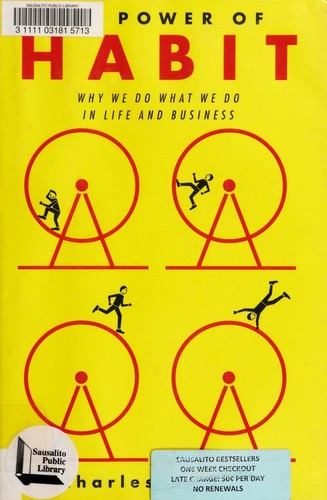
Charles Duhigg
The origin point for most popular habit discussion. Duhigg introduced the cue-routine-reward loop to a general audience and demonstrated — through reporting on individuals, companies, and social movements — that habits are not just personal quirks but structural phenomena. The neuroscience of the basal ganglia alone justifies the read.
-
02
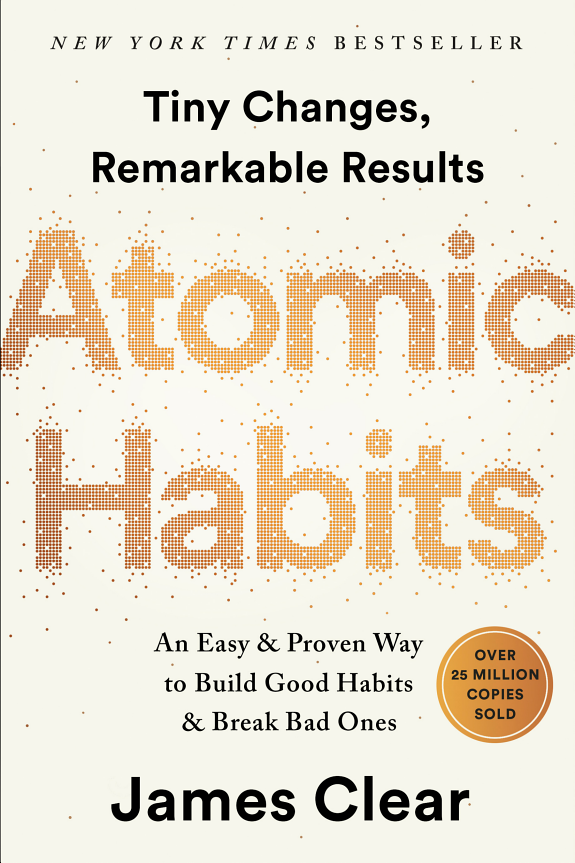
James Clear
Clear's contribution is less theoretical than tactical: four laws of behavior change, identity-based framing ('I am the type of person who...'), and relentless focus on system design over goal-setting. Where Duhigg explains the mechanism, Clear provides the implementation playbook. The two books read well back to back.
-
03
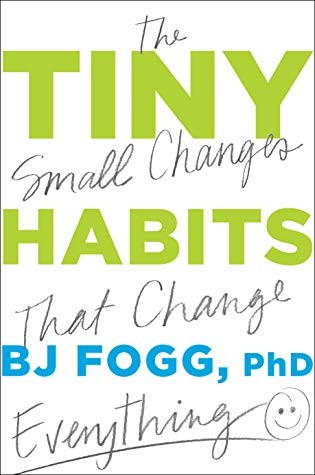
Tiny Habits: The Small Changes That Change Everything
BJ Fogg
Fogg's model diverges from Clear's in one key way: motivation is unreliable, so behavior design should minimize the role it plays. Make the behavior so small it requires no motivation. Anchor it to an existing routine. Celebrate immediately to wire in positive emotion. A different angle from Clear, not a competing one.
-
Read these with Superbook
Chat with any book on this list — ask questions, get answers tuned to you.
-
04
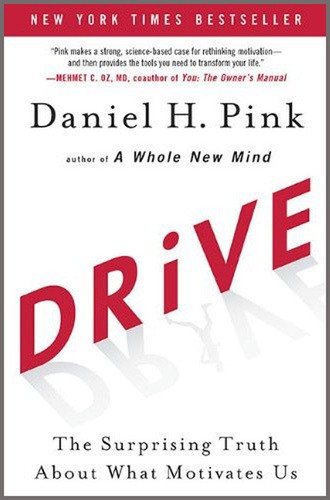
Drive: The Surprising Truth About What Motivates Us
Daniel H. Pink
The argument that much behavior-change effort fails because it relies on external rewards that undermine intrinsic motivation. Pink synthesizes decades of self-determination theory research to show that autonomy, mastery, and purpose are more durable drivers than carrots and sticks. Reading this before designing habit systems saves a lot of wasted effort.
-
05
Wendy Wood
Wendy Wood is one of the leading academic researchers on habit formation, and this is her accessible translation of that work. Her central finding — that context matters more than motivation for sustaining behavior — directly challenges the self-discipline framing most other books default to. Underread relative to its quality.
-
06
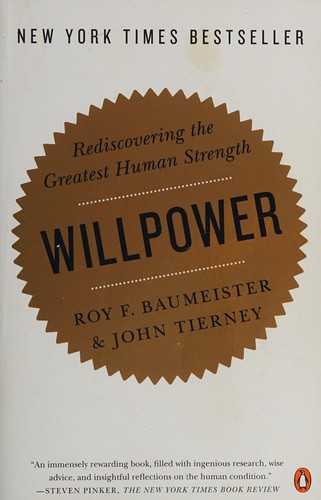
Willpower: Rediscovering the Greatest Human Strength
Roy Baumeister and John Tierney
Baumeister and Tierney synthesize the ego depletion research: willpower draws on a limited resource, and making decisions all day depletes it. The practical implications are about sequencing and environment design rather than grinding harder. Later research has challenged the size of the depletion effect, but the strategic lessons hold.
-
07
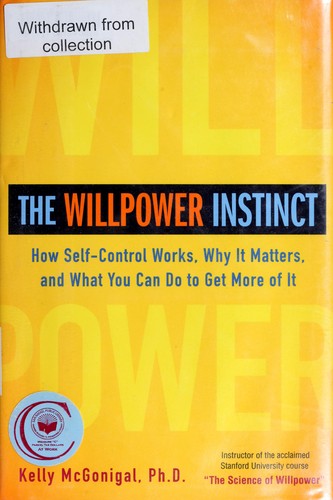
Kelly McGonigal
McGonigal's Stanford course on self-control turned into a remarkably practical book. It covers the physiology of willpower (heart rate variability as a measure), the failure modes (self-compassion after setbacks beats shame), and the social contagion of behavior. More actionable than Baumeister, and the research citations are strong.
-
08
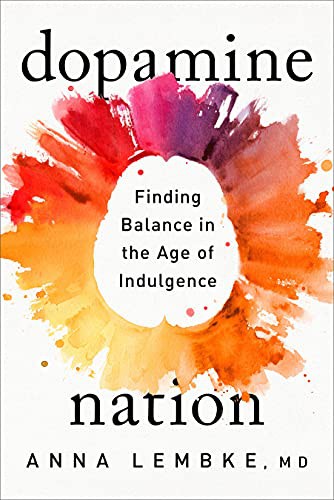
Dopamine Nation: Finding Balance in the Age of Indulgence
Anna Lembke
Lembke makes the case that the dopamine system — evolved for scarcity — misfires catastrophically in an environment of abundance. The relevance to habits: many failed behavior-change attempts are really failed dopamine management. Understanding the neuroscience of reward and withdrawal changes how you think about cravings and relapse.
-
09
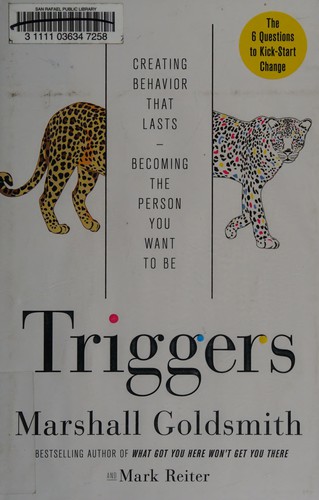
Marshall Goldsmith
Goldsmith's book on behavior change in adults focuses on the external triggers — people, places, events, conversations — that derail intentions. The 'daily questions' practice he advocates is one of the more evidence-adjacent implementations of consistent self-monitoring in the popular literature. Relevant for habits that keep failing despite clear intention.
-
10
Chip Heath and Dan Heath
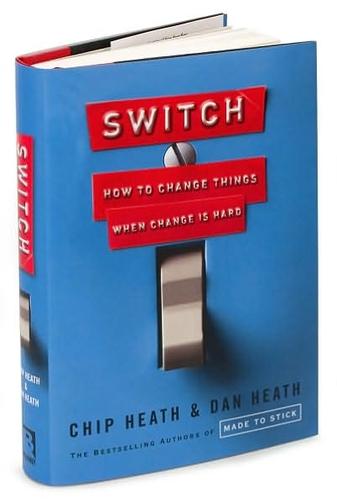
The Heath brothers' framework — rational Rider, emotional Elephant, environmental Path — is a useful complement to individual habit design when the goal is changing behavior in groups or organizations. The section on 'shrinking the change' prefigures Fogg's tiny habits approach by several years.

More about this list
The literature on habits and behavior change has earned a coherent shape over the past twenty years. It begins with the science — Duhigg's work on the habit loop gave the field its vocabulary, and Wendy Wood's research clarified just how much of daily life is context-driven automaticity rather than conscious decision. From that foundation, Clear and Fogg arrive at the practice: Clear argues for compounding small improvements and anchoring change to identity, Fogg argues for making behaviors so tiny they bypass resistance entirely. They agree on more than they differ.
Daniel Pink's Drive enters the picture as a corrective: many behavioral interventions fail not because the habit design is wrong, but because the motivation architecture underneath is wrong — external rewards crowd out genuine interest. The Baumeister and McGonigal work on willpower then complicates things further, showing that self-control is both finite and trainable, and that strategies matter as much as raw resolve.
The final layer is the trap of motion-without-action: reading about habits, planning new routines, researching systems — all feel productive without requiring actual behavior change. Duhigg, Fogg, and Clear each address this in different ways. The most useful reading sequence starts with the science (Duhigg, Wood), moves to the mechanics (Clear, Fogg), then interrogates the motivation layer (Pink, Lembke on dopamine), before arriving at the implementation realities (Baumeister, McGonigal, Goldsmith on triggers). By that point, the 1st book reads differently than it did at the start.
