
Reading list · 14 books
Maria Popova's reading list
Maria Popova is the writer behind The Marginalian (formerly Brain Pickings), an independent blog she has run since 2006 devoted to books on science, philosophy, art, and the examined life. She reads across centuries and disciplines, finding in Darwin and Dickinson, in Seneca and Sagan, a common thread: how to live with more wonder and less fear. Her curation is shaped by a conviction that old books speak to urgent questions and that science and poetry are not opposites.
-
01
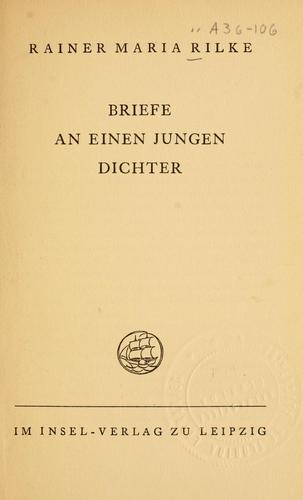
Rainer Maria Rilke
Popova has written about this slim book of correspondence more than almost any other. Rilke's instruction to live the questions rather than demand answers is something she returns to across years of posts on creativity, uncertainty, and the examined life.
-
02
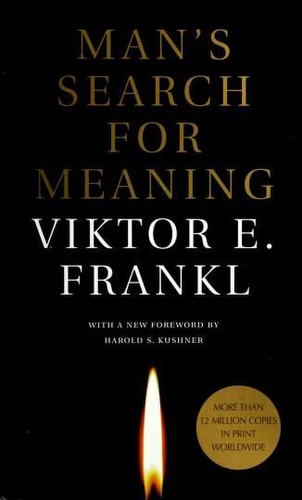
Viktor E. Frankl
Frankl's account of finding meaning inside a Nazi concentration camp is one of the books Popova cites most often on suffering and purpose. She treats it not as comfort literature but as a serious philosophical argument about what humans can choose even when everything else is taken.
-
03
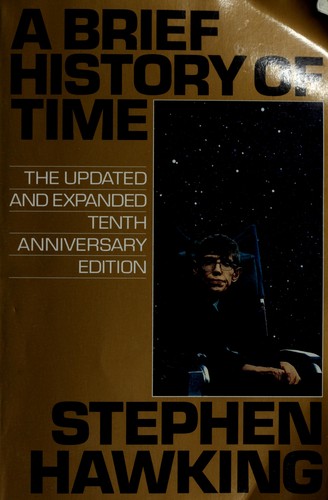
Stephen Hawking
Hawking's bestseller appears throughout The Marginalian in posts connecting physics to philosophy. Popova is drawn to its demonstration that rigorous science and genuine wonder are not only compatible but interdependent.
-
Read these with Superbook
Chat with any book on this list — ask questions, get answers tuned to you.
-
04
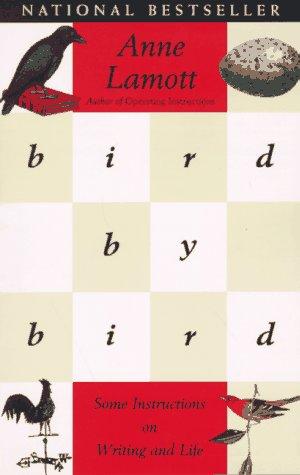
Anne Lamott
Lamott's book on writing and life shows up regularly in Popova's posts on the creative process. She quotes the 'shitty first drafts' chapter as a corrective to perfectionism, and reads the book as being as much about courage as craft.
-
05
Seneca
Seneca's Stoic essays on time and attention recur throughout The Marginalian. Popova reads him as a contemporary — his observation that we act as if life is long while wasting its hours applies, she argues, more urgently now than when he wrote it.
-
06
Paul Kalanithi
Kalanithi's memoir, written as he was dying of lung cancer at 36, is the kind of book Popova has long championed: a scientist reckoning with mortality through literature. She wrote about it as an act of grace under the most impossible of circumstances.
-
07
Carl Sagan
Carl Sagan's series-companion book is a touchstone for Popova's writing about the relationship between science and meaning. She frequently quotes his passages on the pale blue dot and human smallness as anchors for discussions of humility and wonder.
-
08
Anne Morrow Lindbergh
Written in 1955 during a week alone on a Florida beach, Lindbergh's meditation on solitude, creativity, and the rhythms of women's lives appears in Popova's writing on the necessity of inner quiet. She reads it as a book about attention — what we lose when we fill every silence.
-
09
Laozi
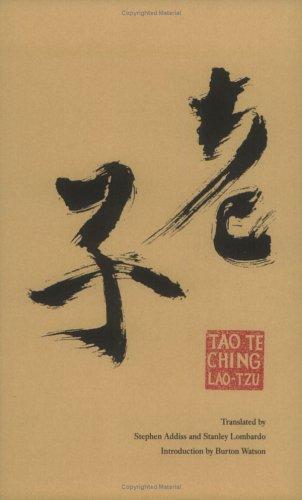
Lao-tzu's text appears in Popova's writing on paradox and receptivity — the passages on yielding as strength and emptiness as capacity. She returns to it when writing about how to hold uncertainty without resolving it prematurely.
-
10
Pale Blue Dot: A Vision of the Human Future in Space
Carl Sagan
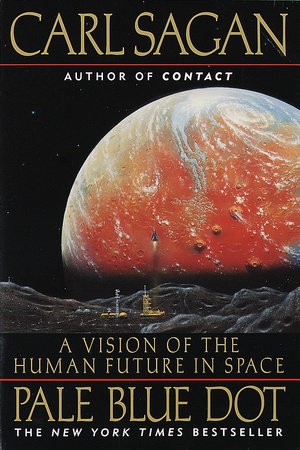
Sagan's later and more philosophical book is, if anything, more central to The Marginalian than Cosmos. The famous 'mote of dust suspended in a sunbeam' passage appears in her posts so often it has become a kind of recurring refrain for the site.
-
11
Antoine de Saint-Exupéry
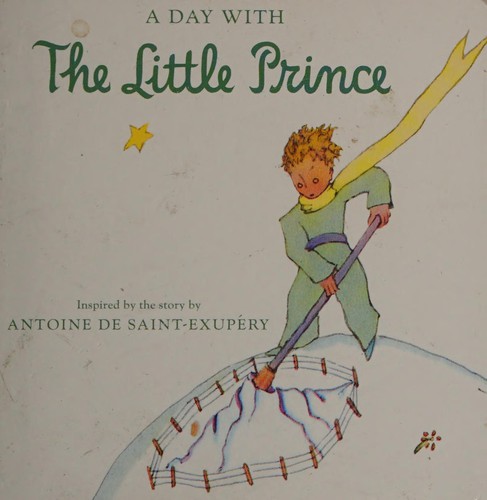
Popova has described this as a book about the things grown-ups forget — that essential things are invisible to the eyes, that what makes the desert beautiful is that somewhere it hides a well. She reads it as philosophy disguised as children's literature.
-
12
Marcus Aurelius
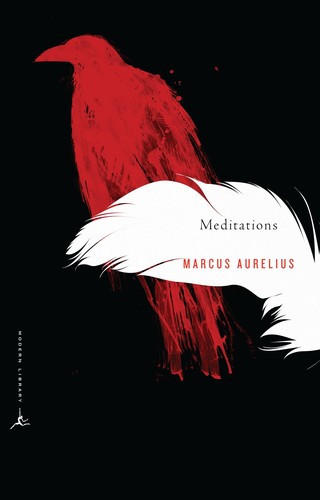
Marcus Aurelius writing to himself in private — never intending publication — is the kind of intimate philosophical document Popova finds irresistible. She quotes the Meditations on impermanence, on the brevity of fame, and on what it means to act well regardless of outcome.
-
13
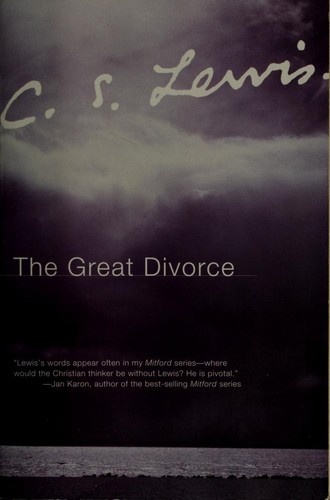
C. S. Lewis
C.S. Lewis's raw notebooks written after his wife's death appear in Popova's writing on grief and honesty. She values the book for its refusal to arrive at neat consolation — Lewis's faith is shaken and only partially recovered, which she treats as more honest than resolution.
-
14
Henry David Thoreau
Thoreau's account of two years in deliberate simplicity is not, Popova has argued, a book about retreating from the world but about attending to it more carefully. She reads the chapters on time, economy, and morning as a sustained argument for wakefulness.

More on Maria Popova's picks
The Marginalian began as a weekly email to seven friends and grew into one of the most widely read literary blogs on the internet — sustained entirely by reader donations, never by advertising. Popova has written about thousands of books over two decades, but certain titles appear again and again: ones that reckon honestly with mortality, that celebrate scientific wonder without losing the poetry of existence, and that take seriously the question of what it means to live a meaningful life.
Her taste is markedly non-self-help. She gravitates toward books that resist easy answers — Rilke's letters written to a stranger, Seneca's essays written under political terror, Anne Morrow Lindbergh's meditations written in a week of solitude on a beach. She reads scientists who write like poets (Sagan, Thoreau before science was a profession) and poets who think like scientists (Dickinson, Whitman). The books here reflect not a single reading list she has published but the authors and titles she returns to most persistently in her writing — the ones she quotes at length, revisits across years, and calls foundational.
