
Topic · 10 books
The best books on meaning and purpose
Meaning and purpose sit at the intersection of philosophy, psychology, and lived experience — questions that every human eventually confronts and that no discipline has fully resolved. Reading widely in this space offers something rarer than answers: frameworks for living with the questions. From Frankl's wartime logotherapy to contemporary science on social connection, these books span centuries of hard-won thinking on what makes a life feel worth living.
-
01
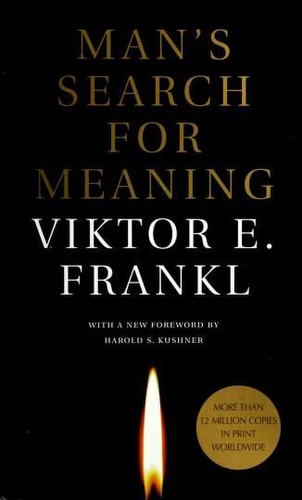
Viktor E. Frankl
The unavoidable starting point. Frankl describes camp life in spare, clinical prose, then introduces logotherapy — his argument that the search for meaning is the primary human motivation, not pleasure or power. The philosophical half of the book is more interesting than the memoir half, but neither works without the other.
-
02
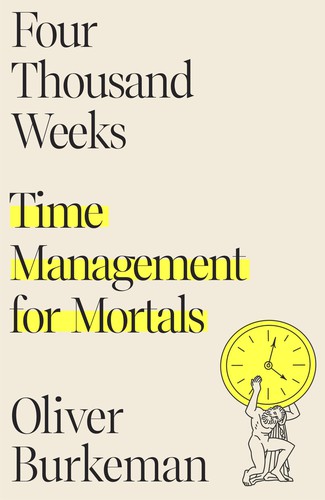
Four Thousand Weeks: Time Management for Mortals
Oliver Burkeman
Burkeman refuses the self-help genre's implicit promise that better time management will one day leave you feeling on top of things. Instead: you have roughly 4,000 weeks, most choices are irreversible, and finitude is the thing that makes meaning possible at all. The most rigorous book in this cluster.
-
03
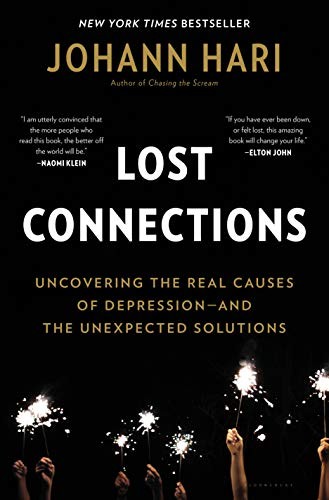
Johann Hari
Hari's thesis is that most depression and anxiety are caused not by chemical imbalance but by disconnection from work, people, nature, values, and meaningful futures. Controversial among clinicians, but the sociological evidence he assembles on meaning-through-belonging is serious and underused by the self-help tradition.
-
Read these with Superbook
Chat with any book on this list — ask questions, get answers tuned to you.
-
04
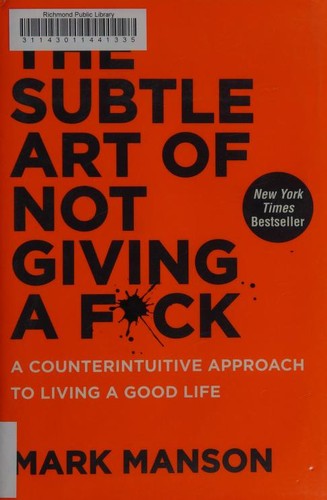
The Subtle Art of Not Giving a F*ck
Mark Manson
Manson's contrarian entry: the problem isn't that people lack motivation, it's that they've adopted shallow values. Meaning comes from choosing what to struggle for, not from eliminating struggle. The tone grates but the underlying argument — that values, not feelings, are the substrate of purpose — is philosophically sound.
-
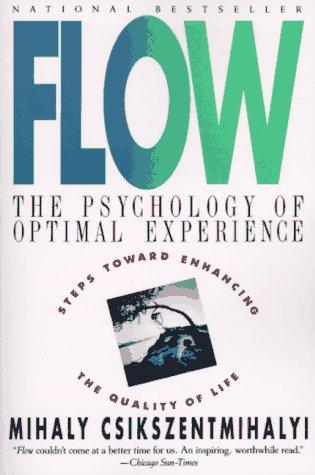
05
Flow: The Psychology of Optimal Experience
Mihaly Csikszentmihalyi
Csikszentmihalyi's foundational account of optimal experience: the state in which challenge and skill are balanced and self-consciousness disappears. Flow is not meaning, but it may be where meaning is most legible in real time. The most empirically grounded book here on what purposeful engagement actually feels like from the inside.
-
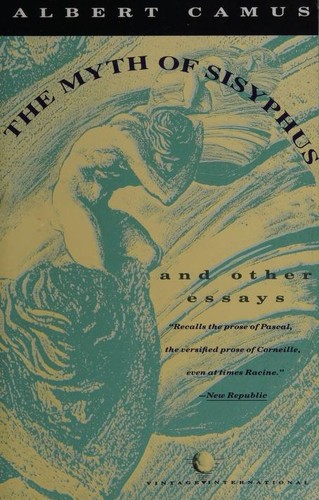
06
Albert Camus
Camus confronts the absurd — the gap between our hunger for meaning and the universe's silence — and refuses the exits of religion, suicide, and philosophical consolation. 'One must imagine Sisyphus happy' is the conclusion, but the argument getting there is what matters. Pairs productively with Frankl; each exposes what the other takes for granted.
-
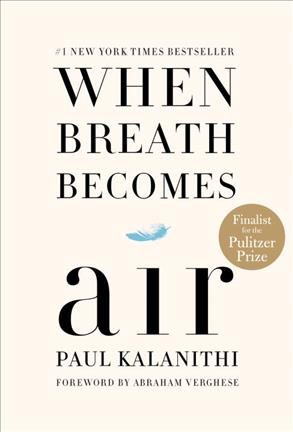
07
Paul Kalanithi
Kalanithi's memoir, written as he died of lung cancer at 36, is the most direct contemporary encounter with the question Frankl posed. What makes a life worth living when you know exactly how much of it remains? He reads Frankl and the Stoics and ends up somewhere neither fully anticipated. Hard to read, impossible to dismiss.
-
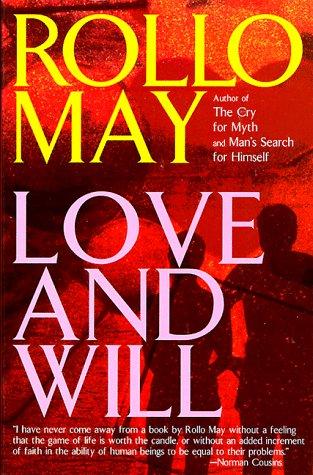
08
Rollo May
Rollo May's 1969 argument that the central crisis of modern life is not repression (Freud's diagnosis) but emptiness — a failure of will and the inability to love with intention. May bridges existentialism and clinical psychology in a way that still reads as diagnostically accurate.
-
09
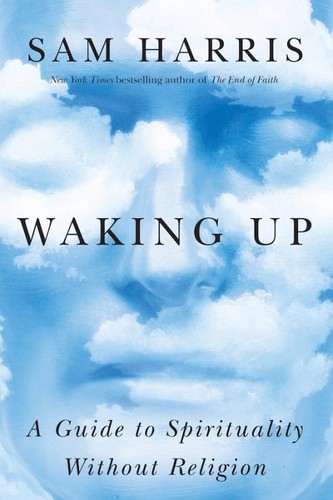
Waking Up: A Guide to Spirituality Without Religion
Sam Harris
Sam Harris makes a secular case for the examined life: that meditation and contemplative practice genuinely illuminate the nature of self and experience, without requiring any religious framework. A useful counterweight to the more narrative-driven books here — rigorous about what can and cannot be claimed.
-
10
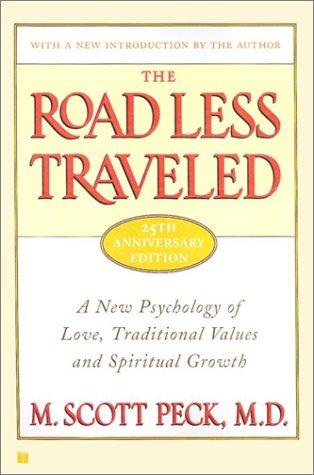
M. Scott Peck
Peck opens with 'Life is difficult' and builds from there. His synthesis of psychological and spiritual thinking on growth through suffering shaped the modern self-help genre more than almost any other single book. The religious framing will not suit everyone, but the underlying account of discipline, love, and grace is precise.
More about this list
Viktor Frankl anchors this list. Man's Search for Meaning emerged from the most extreme conditions imaginable — the Nazi concentration camps — and its central claim, that humans can endure almost anything if they have a why, has shaped every serious book on the topic since. Start there, then let the other voices complicate and extend what Frankl started.
From that foundation the list moves outward in two directions. One thread follows the philosophical tradition: Camus wrestling with absurdity, Rollo May on anxiety and creativity, the Stoics on what we control. These books don't offer comfort — they offer clarity, which turns out to be more useful.
The second thread is more recent and more empirical. Arthur Brooks brings social science to the question of earned success and contribution. Johann Hari's Lost Connections reframes depression as disconnection and points toward meaning through belonging. Oliver Burkeman's Four Thousand Weeks refuses all productivity-book evasions and forces a reckoning with finitude itself. Mark Manson's contrarian voice cuts through the noise of positivity culture to argue that values, not feelings, are where meaning lives.
Read in sequence, these books perform something useful: each one makes the previous ones harder to settle into. Frankl's logotherapy looks more sociological after Hari; Burkeman's mortality meditation looks more theological after Frankl. The tenth book genuinely changes how you read the first.
