Science · Similar reads
Books like Altered Traits: Science Reveals How Meditation Changes Your Mind, Brain, and Body
The best books like Altered Traits: Science Reveals How Meditation Changes Your Mind, Brain, and Body are Waking Up: A Guide to Spirituality Without Religion, Why Buddhism Is True, and The Miracle of Mindfulness. Altered Traits: Science Reveals How Meditation Changes Your Mind, Brain, and Body by Daniel Goleman and Richard J. Davidson is about meditation, neuroscience, contemplative practice. If that's what drew you in, here are 12 books that share its DNA — each summarized on Superbook, and ready to chat with in the app.
- Waking Up: A Guide to Spirituality Without Religion
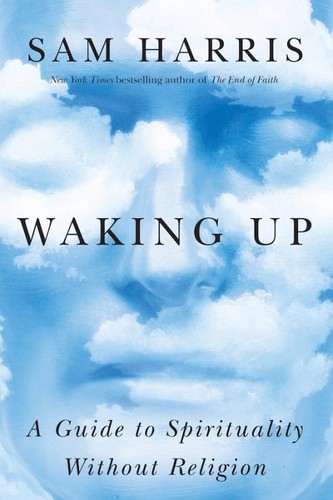
01
Waking Up: A Guide to Spirituality Without Religion
Sam Harris · Religion & Spirituality
Waking Up is Sam Harris' argument that the insights of contemplative traditions — particularly Buddhism's claim that the sense of self is an illusion — can be separated from religious metaphysics and investigated directly through meditation and introspection.
Both dig into meditation.
Read the summary → - Why Buddhism Is True
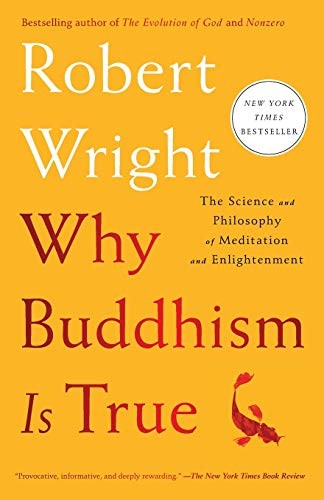
02
Robert Wright · Religion & Spirituality
Why Buddhism Is True is Robert Wright's argument that modern evolutionary psychology and neuroscience provide independent confirmation for core Buddhist claims about the mind, suffering, and the nature of the self.
A kindred science read.
Read the summary → - The Miracle of Mindfulness
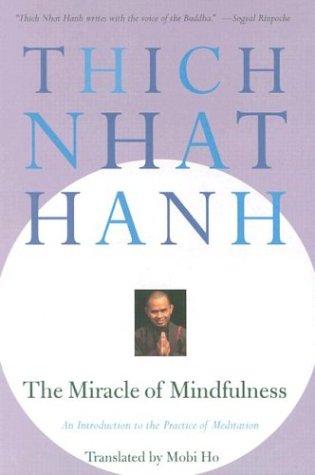
03
Thich Nhat Hanh · Religion & Spirituality
The Miracle of Mindfulness is Thich Nhat Hanh's introduction to mindfulness practice, originally written in Vietnamese as a letter to a fellow monk.
Both dig into meditation.
Read the summary →
- The Mindful Way Through Depression
04
The Mindful Way Through Depression
Mark Williams · Health
The Mindful Way Through Depression is a clinical self-help book by four researchers — Mark Williams, John Teasdale, Zindel Segal, and Jon Kabat-Zinn — who developed Mindfulness-Based Cognitive Therapy, a treatment program with strong evidence for reducing depression relapse.
A kindred science read.
Read the summary → - Emotional Intelligence
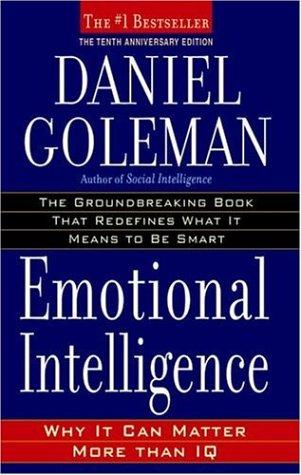
05
Daniel Goleman · Psychology
Daniel Goleman's Emotional Intelligence, published in 1995, made a widely influential argument: that the cluster of abilities involved in managing emotions — self-awareness, self-regulation, empathy, and social skill — predicts life outcomes at least as well as IQ, and possibly better in many domains.
A kindred science read.
Read the summary → - Behave: The Biology of Humans at Our Best and Worst
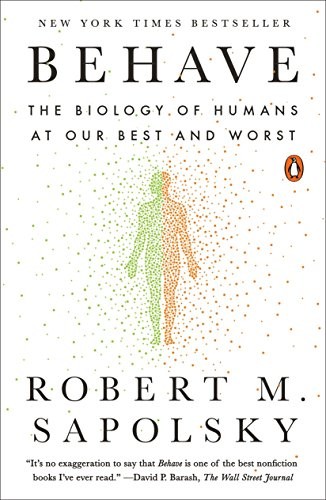
06
Behave: The Biology of Humans at Our Best and Worst
Robert M. Sapolsky · Science
Behave is Robert Sapolsky's attempt to explain why humans do what they do — the violence, the altruism, the tribalism, the heroism — by working through every layer of biology that contributes to a single act.
Both dig into neuroscience.
Read the summary → - How to Change Your Mind
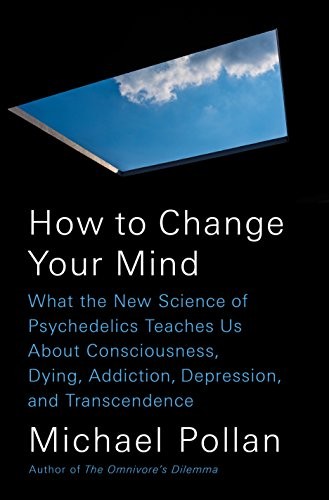
07
Michael Pollan · Science
Michael Pollan came to psychedelics late in life, as a skeptic.
Both dig into neuroscience.
Read the summary → - How to Create a Mind
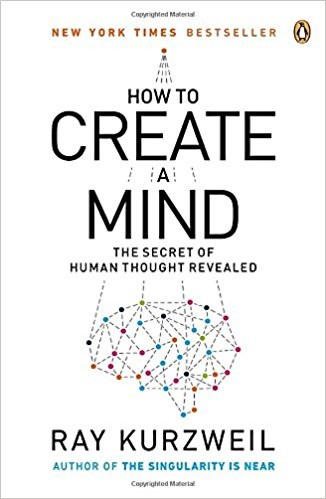
08
Ray Kurzweil · Science
Ray Kurzweil's central claim in How to Create a Mind is that the neocortex — the part of the brain responsible for higher thought — operates on a single repeating algorithm called the pattern recognition theory of mind.
Both dig into neuroscience.
Read the summary → - Silent Spring
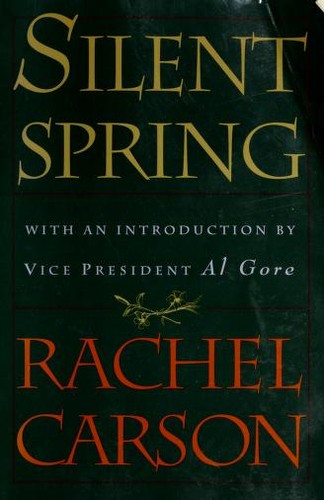
09
Rachel Carson · Science
Silent Spring, published in 1962, is Rachel Carson's investigation of the effects of synthetic pesticides — particularly DDT and related organochlorines — on birds, fish, insects, and the broader ecological web.
Both dig into scientific evidence.
Read the summary → - The Distracted Mind
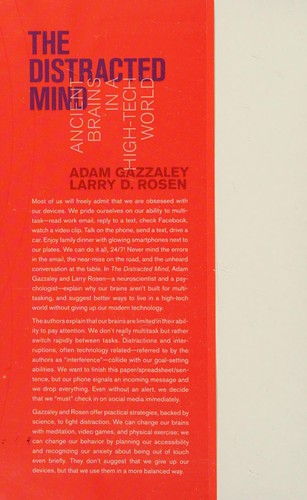
10
Adam Gazzaley and Larry D. Rosen · Science
The Distracted Mind brings together two distinct research traditions — cognitive neuroscience and psychology of technology — to explain why modern humans find sustained attention so difficult and what can be done about it.
Both dig into neuroscience.
Read the summary → - The End of Overeating

11
David A. Kessler · Science
David Kessler, a former FDA commissioner and dean of two medical schools, wrote The End of Overeating as a scientific investigation into why so many people — including himself — find it nearly impossible to stop eating hyperpalatable food once they start.
Both dig into neuroscience.
Read the summary → - The Hour Between Dog and Wolf
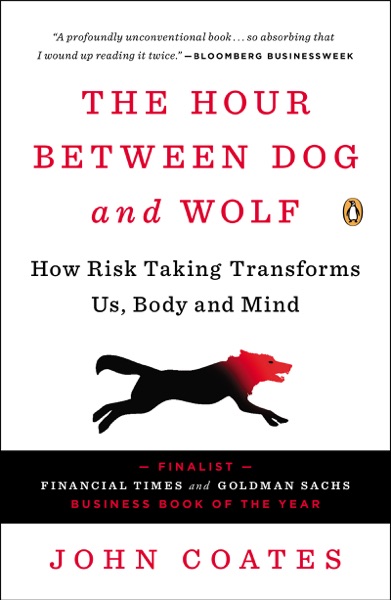
12
John Coates · Science
The Hour Between Dog and Wolf is John Coates's argument that financial markets are driven partly by biology, and specifically by the hormonal systems — testosterone and cortisol in particular — that evolved to prepare the body for physical challenges and that now operate on traders making millisecond decisions.
Both dig into neuroscience.
Read the summary →
Books like Altered Traits: Science Reveals How Meditation Changes Your Mind, Brain, and Body: quick answers
What are the best books like Altered Traits: Science Reveals How Meditation Changes Your Mind, Brain, and Body?
The best books like Altered Traits: Science Reveals How Meditation Changes Your Mind, Brain, and Body by Daniel Goleman and Richard J. Davidson are Waking Up: A Guide to Spirituality Without Religion by Sam Harris, Why Buddhism Is True by Robert Wright, The Miracle of Mindfulness by Thich Nhat Hanh, The Mindful Way Through Depression by Mark Williams, Emotional Intelligence by Daniel Goleman, plus 7 more below. Each was chosen for themes it shares with Altered Traits: Science Reveals How Meditation Changes Your Mind, Brain, and Body, such as meditation, neuroscience, contemplative practice.
What should I read after Altered Traits: Science Reveals How Meditation Changes Your Mind, Brain, and Body?
A natural next read after Altered Traits: Science Reveals How Meditation Changes Your Mind, Brain, and Body is Waking Up: A Guide to Spirituality Without Religion by Sam Harris. Both dig into meditation. Other strong choices are Why Buddhism Is True by Robert Wright, The Miracle of Mindfulness by Thich Nhat Hanh, The Mindful Way Through Depression by Mark Williams.
What books are similar to Altered Traits: Science Reveals How Meditation Changes Your Mind, Brain, and Body by Daniel Goleman and Richard J. Davidson?
Altered Traits: Science Reveals How Meditation Changes Your Mind, Brain, and Body centers on meditation, neuroscience, contemplative practice. Books with a similar feel include Waking Up: A Guide to Spirituality Without Religion by Sam Harris, Why Buddhism Is True by Robert Wright, The Miracle of Mindfulness by Thich Nhat Hanh, The Mindful Way Through Depression by Mark Williams, Emotional Intelligence by Daniel Goleman, Behave: The Biology of Humans at Our Best and Worst by Robert M. Sapolsky — all free to read and chat with on Superbook.
