Science · Similar reads
Books like Complexity
The best books like Complexity are Chaos: Making a New Science, The Structure of Scientific Revolutions, and Thinking in Systems. Complexity by M. Mitchell Waldrop is about complex systems, emergence, interdisciplinary science. If that's what drew you in, here are 12 books that share its DNA — each summarized on Superbook, and ready to chat with in the app.
- Chaos: Making a New Science
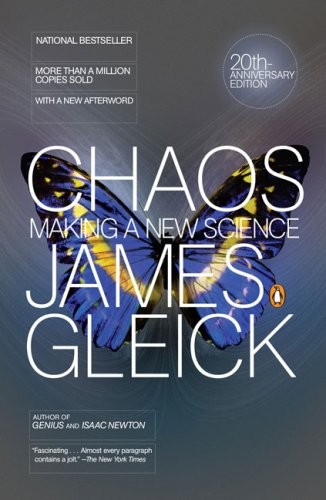
01
James Gleick · Science
Chaos: Making a New Science, published in 1987, tells the story of how a loose network of scientists working across meteorology, mathematics, biology, and physics in the 1960s and 1970s developed chaos theory — the study of systems that are deterministic but unpredictable because tiny differences in initial conditions produce wildly different outcomes.
A kindred science read.
Read the summary → - The Structure of Scientific Revolutions
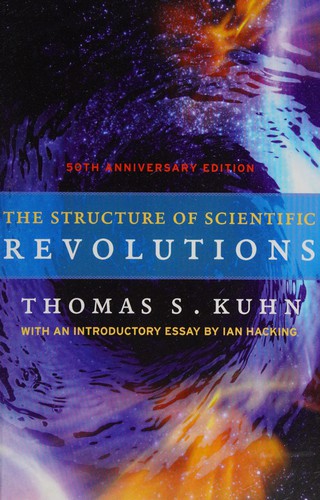
02
The Structure of Scientific Revolutions
Thomas S. Kuhn · Science
The Structure of Scientific Revolutions, first published in 1962, changed how historians, philosophers, and scientists think about how science advances.
A kindred science read.
Read the summary → - Thinking in Systems
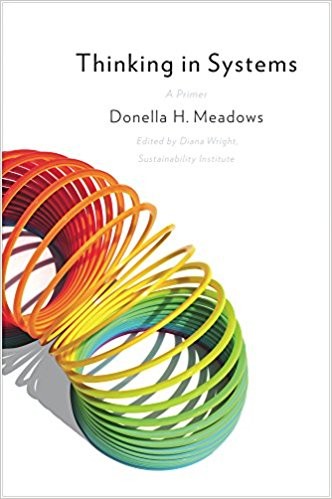
03
Donella H. Meadows · Science
Thinking in Systems is Donella Meadows's introduction to the discipline of systems thinking — a way of understanding why complex things behave the way they do.
A kindred science read.
Read the summary →
- Antifragile: Things That Gain from Disorder
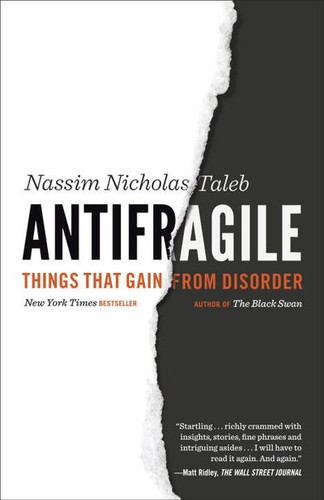
04
Antifragile: Things That Gain from Disorder
Nassim Nicholas Taleb · Philosophy
Antifragile is Nassim Nicholas Taleb's argument that the opposite of fragile is not robust or resilient — it is antifragile.
A kindred science read.
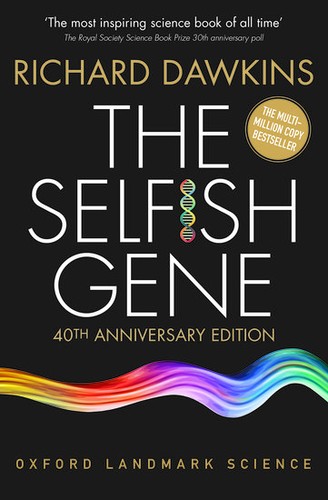
Read the summary → - The Selfish Gene
05
Richard Dawkins · Science
The Selfish Gene reframes evolution from the organism's point of view to the gene's.
A kindred science read.
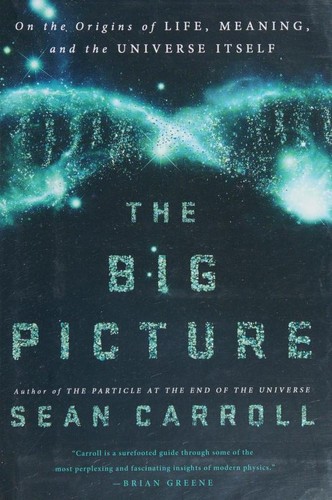
Read the summary → - The Big Picture: On the Origins of Life, Meaning, and the Universe Itself
06
The Big Picture: On the Origins of Life, Meaning, and the Universe Itself
Sean Carroll · Science
The Big Picture is physicist Sean Carroll's attempt to do something genuinely ambitious: build a coherent worldview from the ground up, starting from the laws of physics and working outward through chemistry, biology, consciousness, and ultimately meaning.
Both dig into emergence.
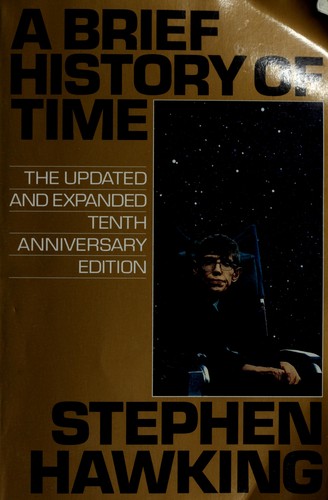
Read the summary → - A Brief History of Time
07
Stephen Hawking · Science
A Brief History of Time is Stephen Hawking's attempt to explain the biggest questions in physics — where the universe came from, how it behaves, and where it might be going — to readers with no scientific training.
A kindred science read.
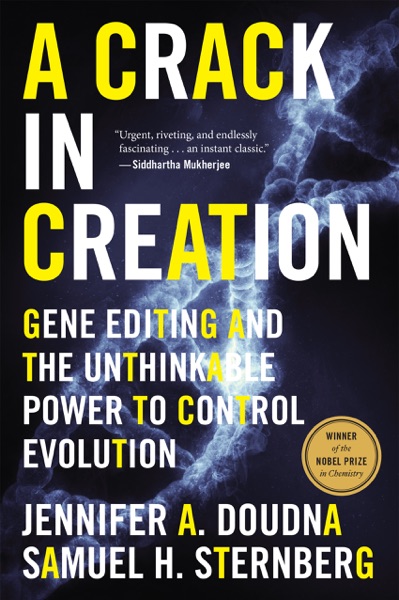
Read the summary → - A Crack in Creation: Gene Editing and the Unthinkable Power to Control Evolution
08
A Crack in Creation: Gene Editing and the Unthinkable Power to Control Evolution
Jennifer A. Doudna and Samuel H. Sternberg · Science
A Crack in Creation is Jennifer Doudna and Samuel Sternberg's account of how CRISPR-Cas9 works, what it can do, and why its possibilities should give everyone pause.
A kindred science read.
Read the summary → - A Pattern Language
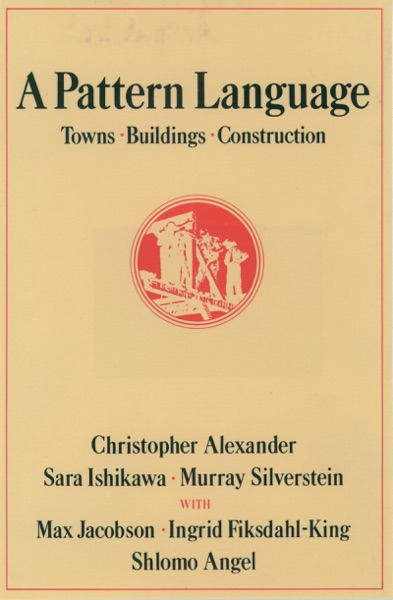
09
Christopher Alexander · Science
A Pattern Language is an extraordinary attempt to describe, in systematic form, the conditions that make human habitats feel alive.
A kindred science read.
Read the summary → - A Philosophy of Software Design
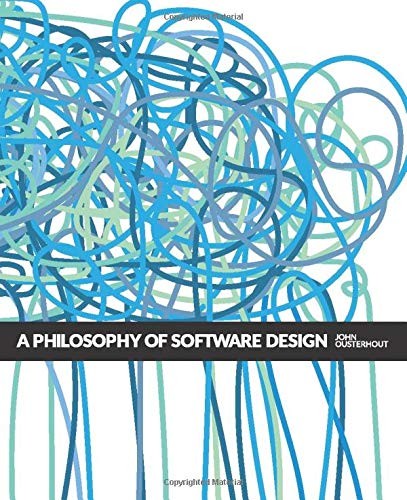
10
A Philosophy of Software Design
John Ousterhout · Science
John Ousterhout's central claim in this book is that the greatest limitation in software development is our ability to manage complexity, and that almost every problem in large systems can be traced back to complexity that was unnecessary and could have been prevented.
A kindred science read.
Read the summary → - A Short History of Nearly Everything
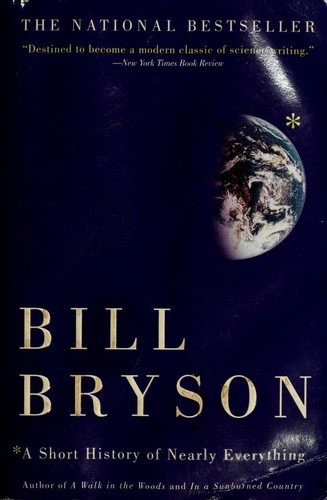
11
A Short History of Nearly Everything
Bill Bryson · Science
A Short History of Nearly Everything is Bill Bryson's attempt to understand the scientific story of everything — from the Big Bang to the emergence of modern humans — by spending three years talking to scientists and reading science history.
A kindred science read.
Read the summary → - A Universe from Nothing
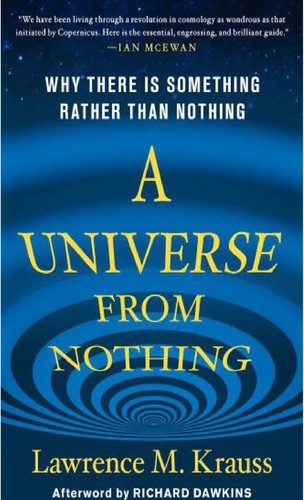
12
Lawrence M. Krauss · Science
A Universe from Nothing is Lawrence Krauss's argument that modern physics has resolved, or at least reframed, the ancient philosophical question of why there is something rather than nothing.
A kindred science read.
Read the summary →
Books like Complexity: quick answers
What are the best books like Complexity?
The best books like Complexity by M. Mitchell Waldrop are Chaos: Making a New Science by James Gleick, The Structure of Scientific Revolutions by Thomas S. Kuhn, Thinking in Systems by Donella H. Meadows, Antifragile: Things That Gain from Disorder by Nassim Nicholas Taleb, The Selfish Gene by Richard Dawkins, plus 7 more below. Each was chosen for themes it shares with Complexity, such as complex systems, emergence, interdisciplinary science.
What should I read after Complexity?
A natural next read after Complexity is Chaos: Making a New Science by James Gleick. A kindred science read. Other strong choices are The Structure of Scientific Revolutions by Thomas S. Kuhn, Thinking in Systems by Donella H. Meadows, Antifragile: Things That Gain from Disorder by Nassim Nicholas Taleb.
What books are similar to Complexity by M. Mitchell Waldrop?
Complexity centers on complex systems, emergence, interdisciplinary science. Books with a similar feel include Chaos: Making a New Science by James Gleick, The Structure of Scientific Revolutions by Thomas S. Kuhn, Thinking in Systems by Donella H. Meadows, Antifragile: Things That Gain from Disorder by Nassim Nicholas Taleb, The Selfish Gene by Richard Dawkins, The Big Picture: On the Origins of Life, Meaning, and the Universe Itself by Sean Carroll — all free to read and chat with on Superbook.
