Economics · Similar reads
Books like Dealing with China
The best books like Dealing with China are AI Superpowers, The Changing World Order, and Political Order and Political Decay. Dealing with China by Henry M. Paulson Jr. is about china, geopolitics, finance. If that's what drew you in, here are 12 books that share its DNA — each summarized on Superbook, and ready to chat with in the app.
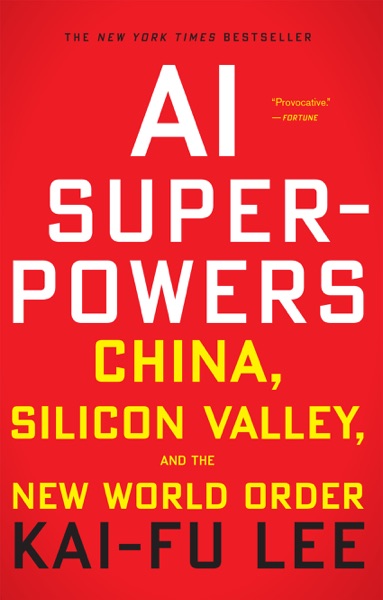
- AI Superpowers
01
Kai-Fu Lee · Business
AI Superpowers is Kai-Fu Lee's argument that the geopolitical competition to lead in artificial intelligence is primarily a two-country race between the United States and China, and that the outcome will reshape the global economy in ways most people haven't started to reckon with.
A kindred economics read.
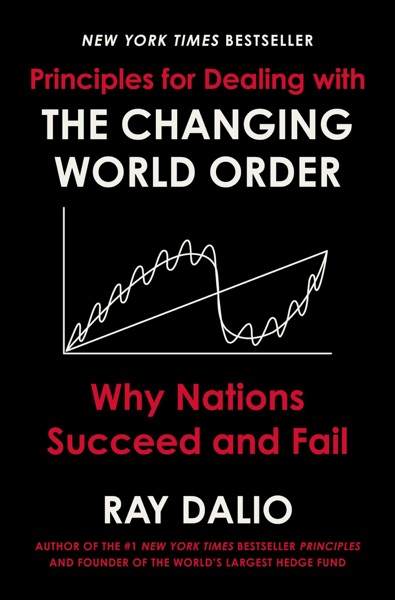
Read the summary → - The Changing World Order
02
Ray Dalio · History
The Changing World Order is Ray Dalio's attempt to map the long arc of rising and declining empires through a systematic historical framework, with the explicit goal of understanding whether the United States is in decline and what a world with China as a co-dominant power would look like.
Both dig into geopolitics.
Read the summary → - Political Order and Political Decay
03
Political Order and Political Decay
Francis Fukuyama · History
Political Order and Political Decay is the second volume of Francis Fukuyama's ambitious two-volume study of political development.
A kindred economics read.
Read the summary →
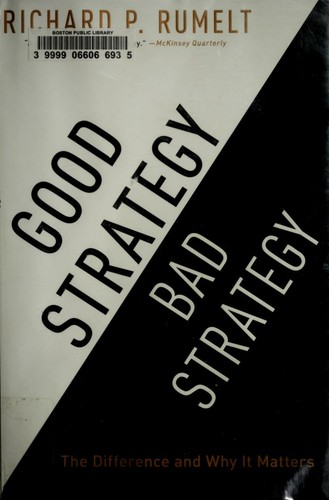
- Good Strategy Bad Strategy
04
Richard Rumelt · Business
Good Strategy Bad Strategy is Richard Rumelt's indictment of the strategic planning process as it is practiced in most organizations, and his articulation of what genuine strategy actually requires.
A kindred economics read.
Read the summary → - World Order
05
Henry Kissinger · History
World Order is Kissinger's attempt, in his early nineties, to synthesize the historical argument he had been building since his doctoral dissertation on Metternich and the Congress of Vienna: that international stability depends on a recognized order — a set of rules, institutions, and expectations about legitimate behavior that the major powers all accept as constraining, even when it is inconvenient.
Shares geopolitics and diplomacy with Dealing with China.
Read the summary → - Alexander Hamilton
06
Ron Chernow · Biography
Ron Chernow's biography of Alexander Hamilton — immigrant, orphan, Revolutionary War aide-de-camp, first Secretary of the Treasury, founder of the American financial system, and victim of Aaron Burr's bullet — is the most comprehensive single-volume account of Hamilton's life and the book that most directly sparked the Hamilton revival in popular culture, including Lin-Manuel Miranda's musical.
Both dig into finance.
Read the summary → - Americana
07
Bhu Srinivasan · History
Americana is Bhu Srinivasan's attempt to tell the history of American capitalism through its defining industries and the entrepreneurs who built them.
Both dig into economic development.
Read the summary → - Lee Kuan Yew: The Grand Master's Insights
08
Lee Kuan Yew: The Grand Master's Insights
Graham Allison et al. · Politics
Lee Kuan Yew: The Grand Master's Insights compiles the views of Singapore's founding prime minister on the major strategic questions of the early twenty-first century.
Both dig into geopolitics.
Read the summary → - Liar's Poker
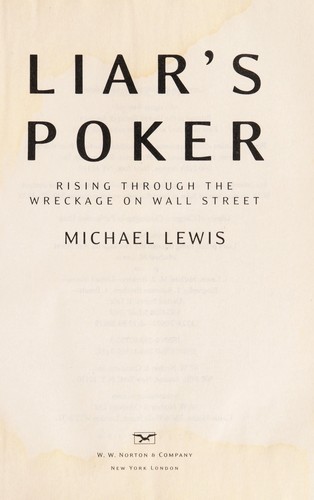
09
Michael Lewis · Business
Liar's Poker is Michael Lewis's account of his years as a bond salesman at Salomon Brothers in the 1980s, the decade when Wall Street stopped being a gentleman's club and became something closer to a casino.
Both dig into finance.
Read the summary → - Lights Out
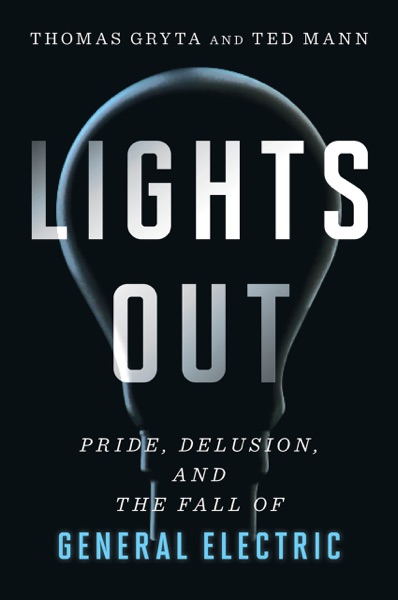
10
Thomas Gryta · Business
Lights Out chronicles the destruction of General Electric under Jeff Immelt, who took over from Jack Welch in September 2001 and left in 2017 having overseen one of the largest collapses of corporate value in American history.
Both dig into finance.
Read the summary → - The Clash of Civilizations and the Remaking of World Order
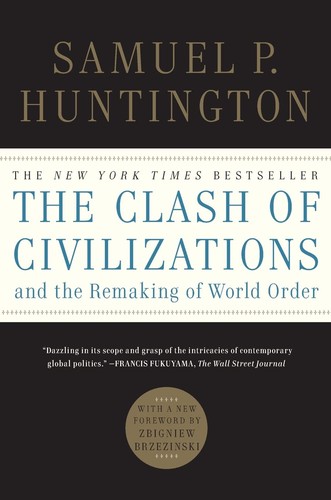
11
The Clash of Civilizations and the Remaking of World Order
Samuel P. Huntington · History
Samuel Huntington's The Clash of Civilizations and the Remaking of World Order, published in 1996, is an expansion of a 1993 Foreign Affairs essay that generated more response than almost any article in that journal's history.
Both dig into geopolitics.
Read the summary → - The Cold War: A New History
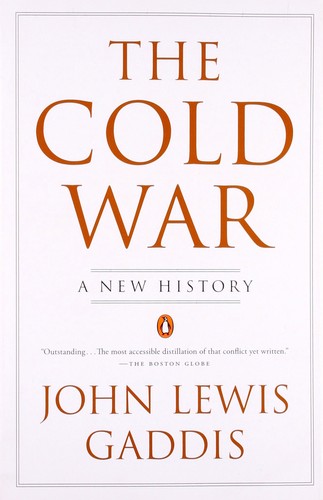
12
John Lewis Gaddis · History
John Lewis Gaddis wrote The Cold War: A New History as a short, synthetic account of the entire superpower conflict, from the end of World War II through the Soviet collapse in 1991.
Both dig into geopolitics.
Read the summary →
Books like Dealing with China: quick answers
What are the best books like Dealing with China?
The best books like Dealing with China by Henry M. Paulson Jr. are AI Superpowers by Kai-Fu Lee, The Changing World Order by Ray Dalio, Political Order and Political Decay by Francis Fukuyama, Good Strategy Bad Strategy by Richard Rumelt, World Order by Henry Kissinger, plus 7 more below. Each was chosen for themes it shares with Dealing with China, such as china, geopolitics, finance.
What should I read after Dealing with China?
A natural next read after Dealing with China is AI Superpowers by Kai-Fu Lee. A kindred economics read. Other strong choices are The Changing World Order by Ray Dalio, Political Order and Political Decay by Francis Fukuyama, Good Strategy Bad Strategy by Richard Rumelt.
What books are similar to Dealing with China by Henry M. Paulson Jr.?
Dealing with China centers on china, geopolitics, finance. Books with a similar feel include AI Superpowers by Kai-Fu Lee, The Changing World Order by Ray Dalio, Political Order and Political Decay by Francis Fukuyama, Good Strategy Bad Strategy by Richard Rumelt, World Order by Henry Kissinger, Alexander Hamilton by Ron Chernow — all free to read and chat with on Superbook.
