Science · Similar reads
Books like Hackers: Heroes of the Computer Revolution
The best books like Hackers: Heroes of the Computer Revolution are The Innovators: How a Group of Hackers, Geniuses, and Geeks Created the Digital Revolution, The Information: A History, a Theory, a Flood, and Code: The Hidden Language of Computer Hardware and Software. Hackers: Heroes of the Computer Revolution by Steven Levy is about computing culture, hacker ethic, technology history. If that's what drew you in, here are 12 books that share its DNA — each summarized on Superbook, and ready to chat with in the app.
- The Innovators: How a Group of Hackers, Geniuses, and Geeks Created the Digital Revolution
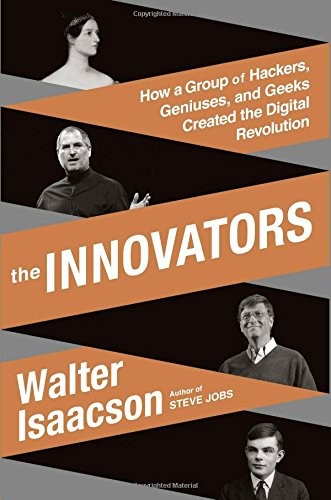
01
The Innovators: How a Group of Hackers, Geniuses, and Geeks Created the Digital Revolution
Walter Isaacson · Science
The Innovators is Walter Isaacson's history of the digital revolution, tracing the development of computers and the internet from Ada Lovelace's conceptualization of programming in the 1840s through the emergence of the modern internet, personal computer, and smartphone.
Both dig into technology history.
Read the summary → - The Information: A History, a Theory, a Flood
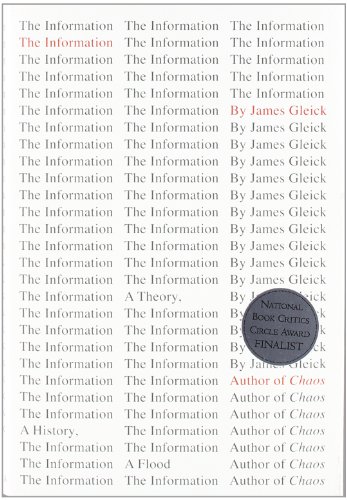
02
The Information: A History, a Theory, a Flood
James Gleick · Science
The Information traces the history of information — as a concept, a technology, and a way of understanding the universe — from the talking drums of West Africa through the telegraph, the printing press, the telephone, and into the digital age.
A kindred science read.
Read the summary → - Code: The Hidden Language of Computer Hardware and Software
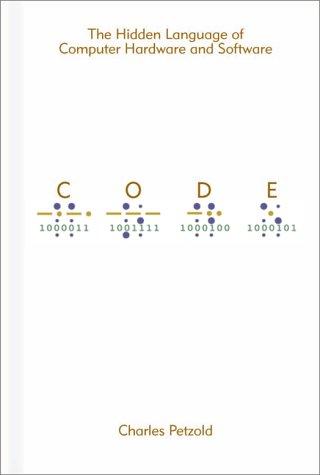
03
Code: The Hidden Language of Computer Hardware and Software
Charles Petzold · Science
Code is Charles Petzold's explanation of how computers work, built from first principles.
A kindred science read.
Read the summary →
- Range: Why Generalists Triumph in a Specialized World
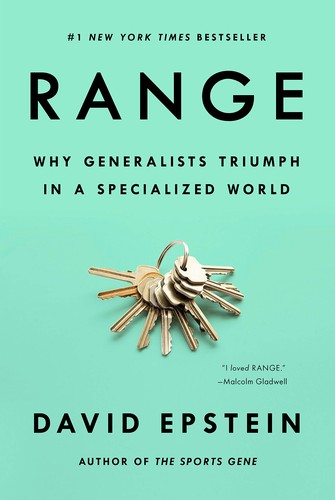
04
Range: Why Generalists Triumph in a Specialized World
David Epstein · Science
Range is David Epstein's argument against the ten-thousand-hours gospel.
Both dig into creativity.
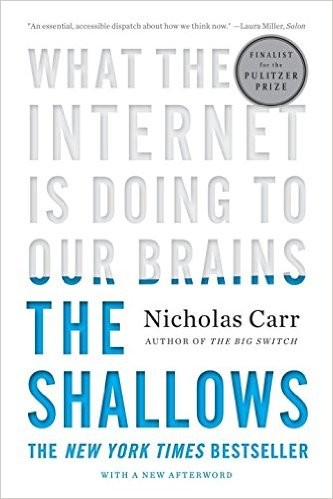
Read the summary → - The Shallows: What the Internet Is Doing to Our Brains
05
The Shallows: What the Internet Is Doing to Our Brains
Nicholas Carr · Science
The Shallows is Nicholas Carr's argument that the internet — and the way we habitually use it, skimming hyperlinked text, watching short videos, checking feeds — is reshaping the neural circuits responsible for deep reading and sustained concentration.
A kindred science read.
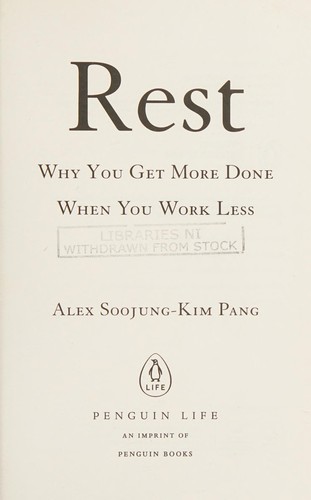
Read the summary → - Rest: Why You Get More Done When You Work Less
06
Rest: Why You Get More Done When You Work Less
Alex Soojung-Kim Pang · Science
Rest makes a case that most of what we think of as productive work is actually counterproductive when pushed past certain thresholds, and that deliberate, well-structured rest is not the opposite of work but a necessary component of it.
Both dig into creativity.
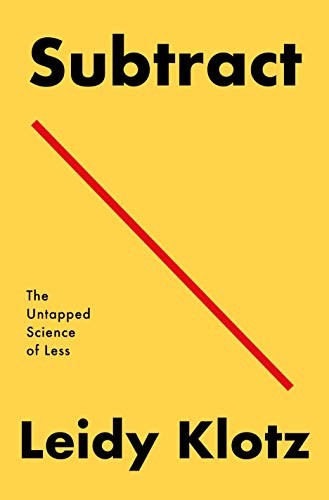
Read the summary → - Subtract: The Untapped Science of Less
07
Subtract: The Untapped Science of Less
Leidy Klotz · Science
Subtract is built on a finding from Leidy Klotz's research at the University of Virginia: when people are asked to improve something, they default overwhelmingly to addition.
Both dig into creativity.
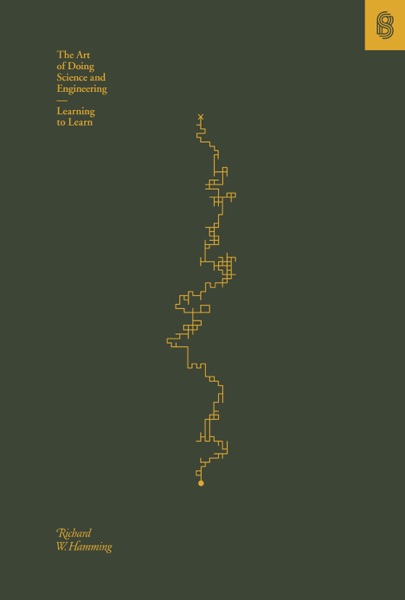
Read the summary → - The Art of Doing Science and Engineering
08
The Art of Doing Science and Engineering
Richard Hamming · Science
Richard Hamming's book is based on a course he taught at the Naval Postgraduate School in the late 1980s, after a long career at Bell Labs where he made foundational contributions to information theory and computer science — the Hamming distance, Hamming codes, and various contributions to numerical methods all bear his name.
Both dig into creativity.
Read the summary → - Art as Experience
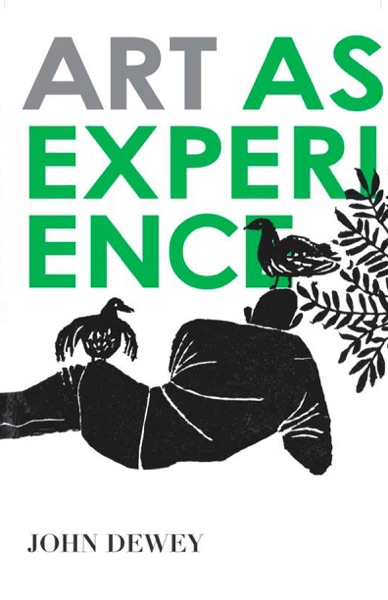
09
John Dewey · Philosophy
Art as Experience, published in 1934, is John Dewey's attempt to rescue aesthetics from the museum pedestal and return it to ordinary life.
Both dig into creativity.
Read the summary → - Big Magic
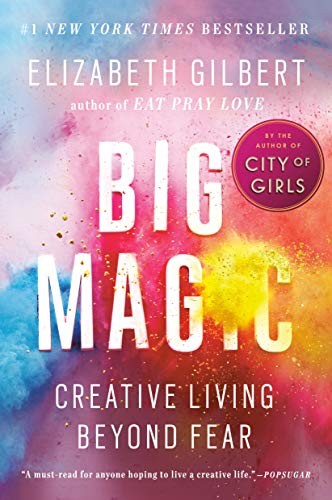
10
Elizabeth Gilbert · Self-help
Big Magic is Elizabeth Gilbert's manifesto for living a creative life — not as a professional artistic career but as an orientation toward existence.
Both dig into creativity.
Read the summary → - Bird by Bird
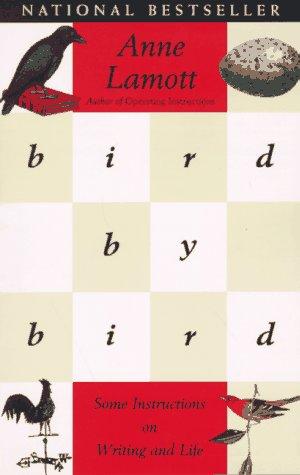
11
Anne Lamott · Self-help
Bird by Bird is Anne Lamott's guide to writing and the creative life, grown from a course she taught at UC Davis and developed over years of writing novels, essays, and journalism.
Both dig into creativity.
Read the summary → - Chronicles: Volume One
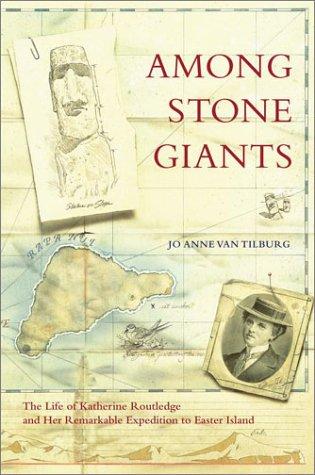
12
Bob Dylan · Memoir
Chronicles: Volume One is the first installment of what Dylan announced as a multi-volume memoir, and it is one of the stranger and more rewarding books any major artist has written about their own formation.
Both dig into creativity.
Read the summary →
Books like Hackers: Heroes of the Computer Revolution: quick answers
What are the best books like Hackers: Heroes of the Computer Revolution?
The best books like Hackers: Heroes of the Computer Revolution by Steven Levy are The Innovators: How a Group of Hackers, Geniuses, and Geeks Created the Digital Revolution by Walter Isaacson, The Information: A History, a Theory, a Flood by James Gleick, Code: The Hidden Language of Computer Hardware and Software by Charles Petzold, Range: Why Generalists Triumph in a Specialized World by David Epstein, The Shallows: What the Internet Is Doing to Our Brains by Nicholas Carr, plus 7 more below. Each was chosen for themes it shares with Hackers: Heroes of the Computer Revolution, such as computing culture, hacker ethic, technology history.
What should I read after Hackers: Heroes of the Computer Revolution?
A natural next read after Hackers: Heroes of the Computer Revolution is The Innovators: How a Group of Hackers, Geniuses, and Geeks Created the Digital Revolution by Walter Isaacson. Both dig into technology history. Other strong choices are The Information: A History, a Theory, a Flood by James Gleick, Code: The Hidden Language of Computer Hardware and Software by Charles Petzold, Range: Why Generalists Triumph in a Specialized World by David Epstein.
What books are similar to Hackers: Heroes of the Computer Revolution by Steven Levy?
Hackers: Heroes of the Computer Revolution centers on computing culture, hacker ethic, technology history. Books with a similar feel include The Innovators: How a Group of Hackers, Geniuses, and Geeks Created the Digital Revolution by Walter Isaacson, The Information: A History, a Theory, a Flood by James Gleick, Code: The Hidden Language of Computer Hardware and Software by Charles Petzold, Range: Why Generalists Triumph in a Specialized World by David Epstein, The Shallows: What the Internet Is Doing to Our Brains by Nicholas Carr, Rest: Why You Get More Done When You Work Less by Alex Soojung-Kim Pang — all free to read and chat with on Superbook.
