Science · Similar reads
Books like Laws of UX
The best books like Laws of UX are The Design of Everyday Things, Don't Make Me Think, and Hooked: How to Build Habit-Forming Products. Laws of UX by Jon Yablonski is about user experience, design principles, psychology. If that's what drew you in, here are 12 books that share its DNA — each summarized on Superbook, and ready to chat with in the app.
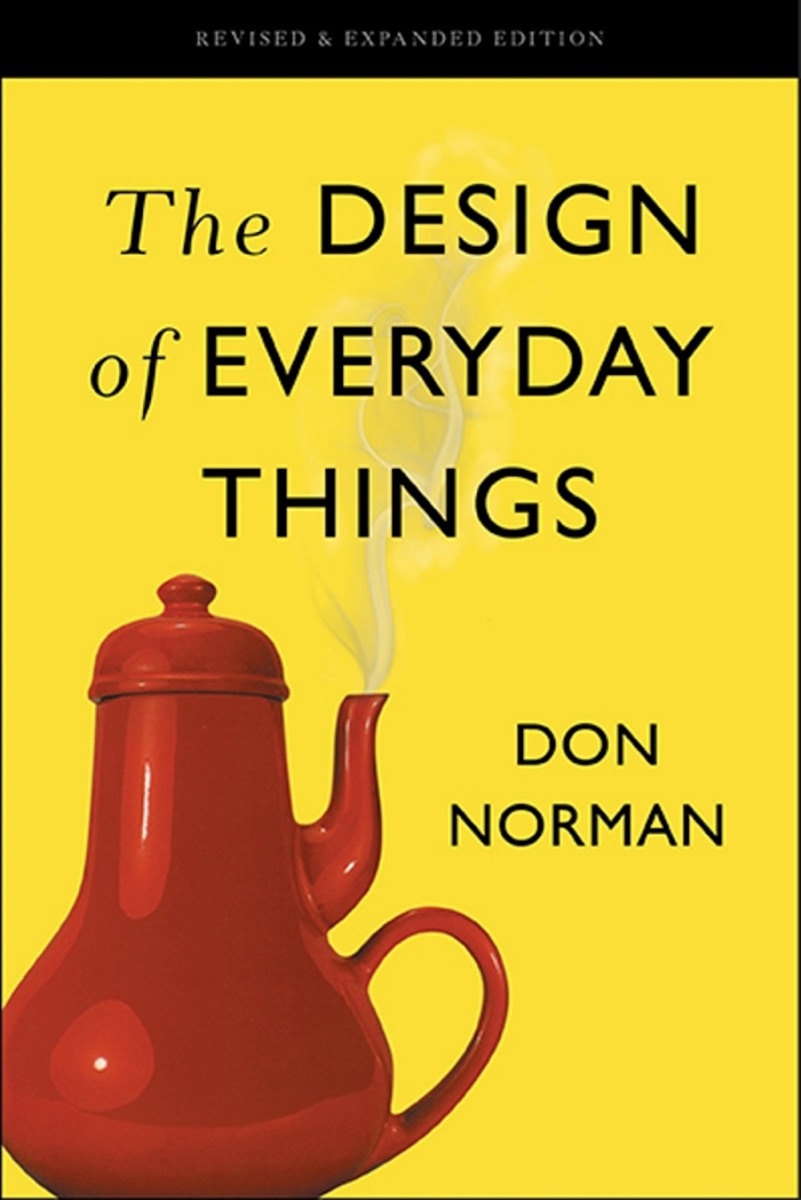
- The Design of Everyday Things
01
Donald Norman · Psychology
The Design of Everyday Things began as The Psychology of Everyday Things when first published in 1988, and Donald Norman revised it substantially for a 2013 edition that updated the examples for a digital age.
A kindred science read.
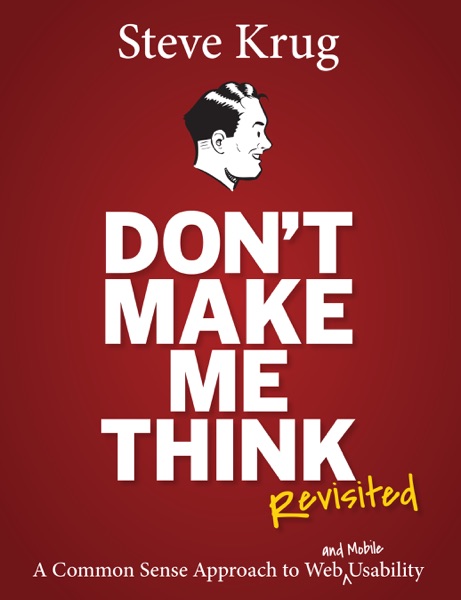
Read the summary → - Don't Make Me Think
02
Steve Krug · Business
Don't Make Me Think is Steve Krug's short, plainspoken guide to web usability.
A kindred science read.
Read the summary → - Hooked: How to Build Habit-Forming Products
03
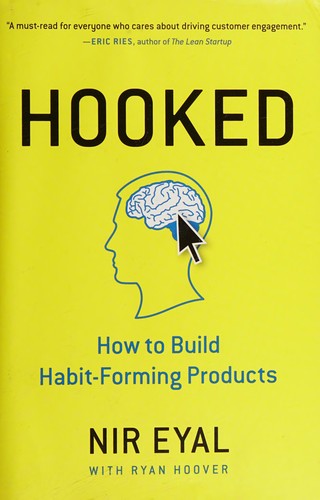
Hooked: How to Build Habit-Forming Products
Nir Eyal · Business
Hooked is Nir Eyal's framework for designing products that people return to without external prompting.
A kindred science read.
Read the summary →
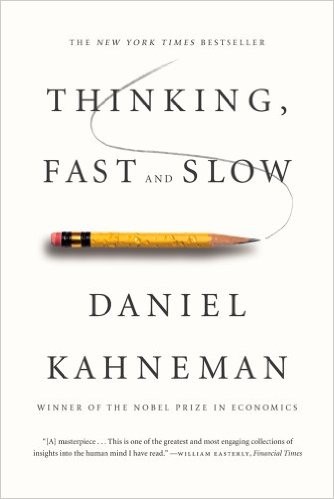
- Thinking, Fast and Slow
04
Daniel Kahneman · Psychology
Thinking, Fast and Slow is Daniel Kahneman's account of the two cognitive systems that govern human thought.
A kindred science read.
Read the summary → - 100 Things Every Designer Needs to Know About People
05
100 Things Every Designer Needs to Know About People
Susan Weinschenk · Psychology
Susan Weinschenk is a behavioral scientist and UX consultant, and this book is her translation of cognitive science research into practical guidance for designers.
Shares user experience and cognitive science with Laws of UX.
Read the summary → - Bonk: The Curious Coupling of Science and Sex
06
Bonk: The Curious Coupling of Science and Sex
Mary Roach · Science
Bonk is Mary Roach's investigation into the science of human sexuality — not the pop psychology of relationships, but the actual research: what scientists have done inside laboratory settings to understand how sex works, what they've discovered, and why the field has been so difficult to pursue given institutional and cultural resistance.
Both dig into psychology.
Read the summary → - Happy City
07
Charles Montgomery · Science
Happy City is Charles Montgomery's investigation into the relationship between the design of cities and the psychological well-being of their inhabitants.
Both dig into psychology.
Read the summary → - Make It Stick
08
Peter C. Brown, Henry L. Roediger and Mark A. McDaniel · Science
Make It Stick is a book about how memory actually works, and why the study techniques most people rely on — re-reading, highlighting, massed practice — are among the least effective ways to learn.
Both dig into cognitive science.
Read the summary → - The Better Angels of Our Nature
09
The Better Angels of Our Nature
Steven Pinker · Science
The Better Angels of Our Nature is Steven Pinker's argument, supported by extensive historical and statistical data, that human violence has declined dramatically over long time periods and that this decline is real, not an artifact of reporting or perception.
Both dig into psychology.
Read the summary → - Universal Principles of Design
10
Universal Principles of Design
William Lidwell, Kritina Holden, and Jill Butler · Science
Universal Principles of Design is a reference book organized as an encyclopedia: 125 design principles, each given a two-page spread with a clear definition, a visual example, and a brief note on application.
Both dig into design principles.
Read the summary → - 12 Rules for Life
11
Jordan Peterson · Self-help
12 Rules for Life is Jordan Peterson's attempt to distill what clinical psychology, comparative mythology, the Bible, and evolutionary biology say about how to live.
Both dig into psychology.
Read the summary → - Algorithms to Live By: The Computer Science of Human Decisions
12
Algorithms to Live By: The Computer Science of Human Decisions
Brian Christian and Tom Griffiths · Psychology
Brian Christian is a writer and Tom Griffiths is a cognitive scientist, and together they argue that computer science has worked out rigorous solutions to many of the problems humans face every day — when to stop searching for a better option, how to manage your schedule, how to sort your memory — and that these solutions are both interesting and useful.
Both dig into cognitive science.
Read the summary →
Books like Laws of UX: quick answers
What are the best books like Laws of UX?
The best books like Laws of UX by Jon Yablonski are The Design of Everyday Things by Donald Norman, Don't Make Me Think by Steve Krug, Hooked: How to Build Habit-Forming Products by Nir Eyal, Thinking, Fast and Slow by Daniel Kahneman, 100 Things Every Designer Needs to Know About People by Susan Weinschenk, plus 7 more below. Each was chosen for themes it shares with Laws of UX, such as user experience, design principles, psychology.
What should I read after Laws of UX?
A natural next read after Laws of UX is The Design of Everyday Things by Donald Norman. A kindred science read. Other strong choices are Don't Make Me Think by Steve Krug, Hooked: How to Build Habit-Forming Products by Nir Eyal, Thinking, Fast and Slow by Daniel Kahneman.
What books are similar to Laws of UX by Jon Yablonski?
Laws of UX centers on user experience, design principles, psychology. Books with a similar feel include The Design of Everyday Things by Donald Norman, Don't Make Me Think by Steve Krug, Hooked: How to Build Habit-Forming Products by Nir Eyal, Thinking, Fast and Slow by Daniel Kahneman, 100 Things Every Designer Needs to Know About People by Susan Weinschenk, Bonk: The Curious Coupling of Science and Sex by Mary Roach — all free to read and chat with on Superbook.
