History · Similar reads
Books like The Wealth and Poverty of Nations
The best books like The Wealth and Poverty of Nations are Guns, Germs, and Steel, Why Nations Fail: The Origins of Power, Prosperity, and Poverty, and The Bottom Billion: Why the Poorest Countries Are Failing and What Can Be Done About It. The Wealth and Poverty of Nations by David S. Landes is about economic development, culture and institutions, industrialization. If that's what drew you in, here are 12 books that share its DNA — each summarized on Superbook, and ready to chat with in the app.
- Guns, Germs, and Steel

01
Jared Diamond · Science
Guns, Germs, and Steel is Jared Diamond's attempt to answer a question posed to him by a Papua New Guinean politician named Yali: why did Europeans end up with so much cargo — wealth, technology, power — while other peoples had comparatively little?
A kindred history read.
Read the summary → - Why Nations Fail: The Origins of Power, Prosperity, and Poverty
02
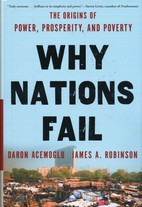
Why Nations Fail: The Origins of Power, Prosperity, and Poverty
Daron Acemoglu and James A. Robinson · Economics
Daron Acemoglu and James Robinson argue that the fundamental difference between rich and poor countries is not geography, culture, or bad luck.
A kindred history read.
Read the summary → - The Bottom Billion: Why the Poorest Countries Are Failing and What Can Be Done About It
03
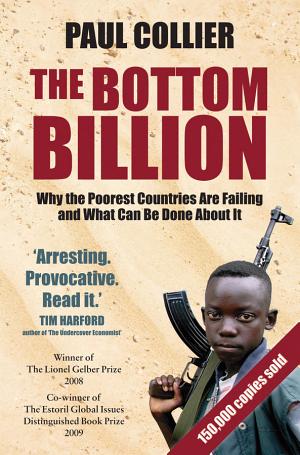
The Bottom Billion: Why the Poorest Countries Are Failing and What Can Be Done About It
Paul Collier · Economics
Paul Collier spent two decades as a development economist at the World Bank and Oxford before writing The Bottom Billion, and the book reflects that experience in a specific way: rather than offering a unified theory of why poor countries stay poor, it offers a careful, empirically grounded account of the different mechanisms — the traps — that keep the roughly fifty countries and one billion people in the most severe and persistent poverty from breaking out.
A kindred history read.
Read the summary →
- Sapiens: A Brief History of Humankind
04
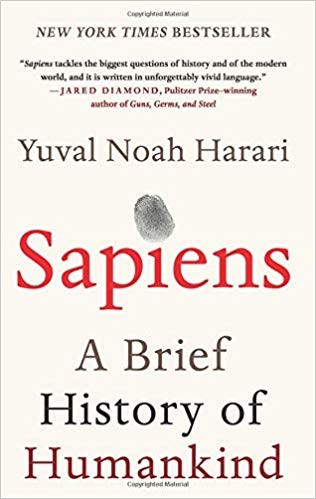
Sapiens: A Brief History of Humankind
Yuval Noah Harari · History
Sapiens traces the full arc of human history from the emergence of Homo sapiens in Africa roughly 70,000 years ago to the present.
A kindred history read.
Read the summary → - The Rational Optimist: How Prosperity Evolves
05
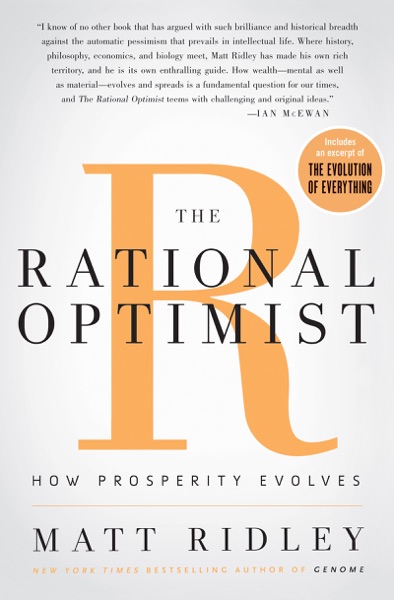
The Rational Optimist: How Prosperity Evolves
Matt Ridley · Economics
Matt Ridley's argument in The Rational Optimist is evolutionary in the literal sense: he treats the expansion of human prosperity as the result of a Darwinian process operating at the cultural level, where ideas combine, compete, and recombine to produce innovations that raise living standards.
A kindred history read.
Read the summary → - Americana
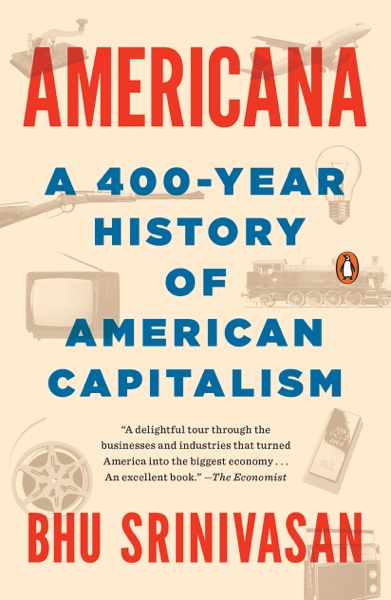
06
Bhu Srinivasan · History
Americana is Bhu Srinivasan's attempt to tell the history of American capitalism through its defining industries and the entrepreneurs who built them.
Both dig into economic development.
Read the summary → - Empire of Cotton: A Global History

07
Empire of Cotton: A Global History
Sven Beckert · History
Sven Beckert's Empire of Cotton argues that cotton was not just the raw material of the Industrial Revolution but the commodity through which modern capitalism was invented.
Both dig into industrialization.
Read the summary → - Dealing with China
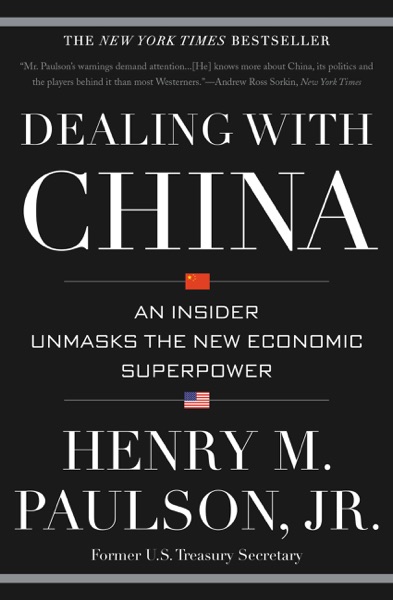
08
Henry M. Paulson Jr. · Economics
Dealing with China is Henry Paulson's account of thirty years of engagement with China's political and economic leadership, first as head of Goldman Sachs's Asia operations, then as the bank's CEO, and finally as US Treasury Secretary under President George W.
Both dig into economic development.
Read the summary → - 1491: New Revelations of the Americas Before Columbus

09
1491: New Revelations of the Americas Before Columbus
Charles C. Mann · History
Charles Mann's 1491 sets out to correct a widespread misconception: that the Americas before Columbus were a mostly empty wilderness populated by small, isolated bands of hunter-gatherers living in gentle harmony with an untouched nature.
A kindred history read.
Read the summary → - 1493: Uncovering the New World Columbus Created
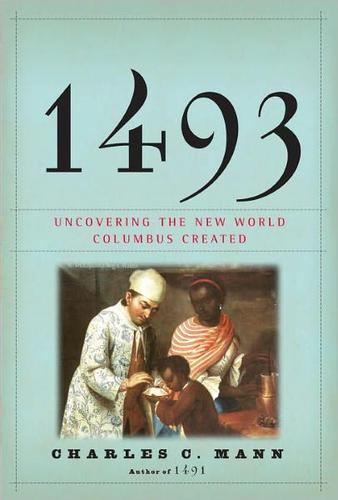
10
1493: Uncovering the New World Columbus Created
Charles C. Mann · History
Where 1491 ends, 1493 begins.
A kindred history read.
Read the summary → - 1776
11
David McCullough · History
David McCullough's 1776, published in 2005, covers a single year of the American Revolution — from the winter siege of Boston through Washington's crossing of the Delaware and the surprise victory at Trenton.
A kindred history read.
Read the summary → - A Man on the Moon

12
Andrew Chaikin · History
A Man on the Moon is Andrew Chaikin's exhaustive narrative history of the Apollo program, from the first lunar orbit of Apollo 8 in 1968 through the final mission, Apollo 17, in 1972.
A kindred history read.
Read the summary →
Books like The Wealth and Poverty of Nations: quick answers
What are the best books like The Wealth and Poverty of Nations?
The best books like The Wealth and Poverty of Nations by David S. Landes are Guns, Germs, and Steel by Jared Diamond, Why Nations Fail: The Origins of Power, Prosperity, and Poverty by Daron Acemoglu and James A. Robinson, The Bottom Billion: Why the Poorest Countries Are Failing and What Can Be Done About It by Paul Collier, Sapiens: A Brief History of Humankind by Yuval Noah Harari, The Rational Optimist: How Prosperity Evolves by Matt Ridley, plus 7 more below. Each was chosen for themes it shares with The Wealth and Poverty of Nations, such as economic development, culture and institutions, industrialization.
What should I read after The Wealth and Poverty of Nations?
A natural next read after The Wealth and Poverty of Nations is Guns, Germs, and Steel by Jared Diamond. A kindred history read. Other strong choices are Why Nations Fail: The Origins of Power, Prosperity, and Poverty by Daron Acemoglu and James A. Robinson, The Bottom Billion: Why the Poorest Countries Are Failing and What Can Be Done About It by Paul Collier, Sapiens: A Brief History of Humankind by Yuval Noah Harari.
What books are similar to The Wealth and Poverty of Nations by David S. Landes?
The Wealth and Poverty of Nations centers on economic development, culture and institutions, industrialization. Books with a similar feel include Guns, Germs, and Steel by Jared Diamond, Why Nations Fail: The Origins of Power, Prosperity, and Poverty by Daron Acemoglu and James A. Robinson, The Bottom Billion: Why the Poorest Countries Are Failing and What Can Be Done About It by Paul Collier, Sapiens: A Brief History of Humankind by Yuval Noah Harari, The Rational Optimist: How Prosperity Evolves by Matt Ridley, Americana by Bhu Srinivasan — all free to read and chat with on Superbook.
