
Topic · 10 books
Essential Architecture reading list
Architecture is the discipline of shaping space for human inhabitation — from the doorway you pass through each morning to the street grid that determines how a city breathes. These books treat buildings not as aesthetic objects but as arguments: about how people live, what cities owe their residents, and whether the built environment can produce or destroy the conditions for a good life.
-
01
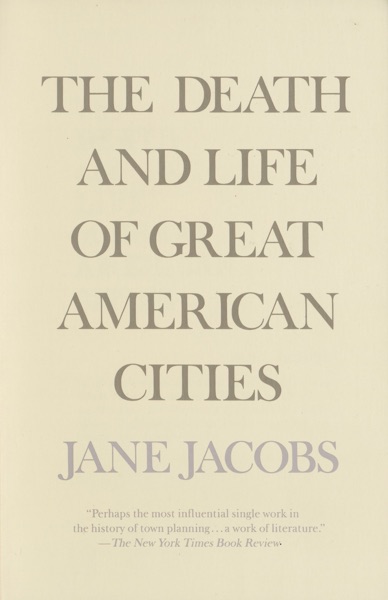
The Death and Life of Great American Cities
Jane Jacobs
The foundational text of modern urbanism, written by a journalist who watched her own Greenwich Village neighborhood being demolished by planners who had never lived in one. Jacobs made mixed use, short blocks, and eyes on the street into policy arguments. Nothing in the list makes sense without reading this first.
-
02
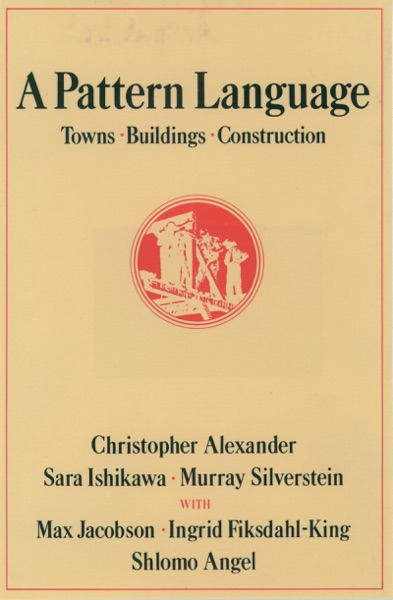
Christopher Alexander
253 patterns, from the scale of a region down to the depth of a window seat, each describing a recurring solution to a recurring human need in space. Not a how-to manual — more a vocabulary for talking about why certain rooms and streets feel right. Architects either revere or dismiss it; both reactions are instructive.
-
03
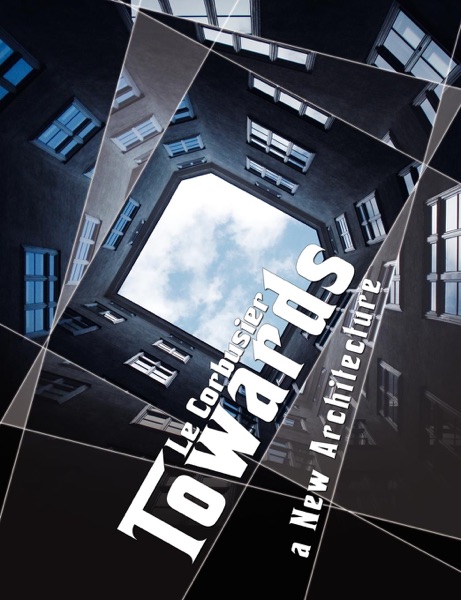
Le Corbusier
The 20th century's most influential architectural manifesto, and its most dangerous. Le Corbusier's argument that the house is a machine for living in shaped a generation of social housing projects. Reading it now, you see both the genuine idealism and the blindness that made it catastrophic at scale.
-
Read these with Superbook
Chat with any book on this list — ask questions, get answers tuned to you.
-
04
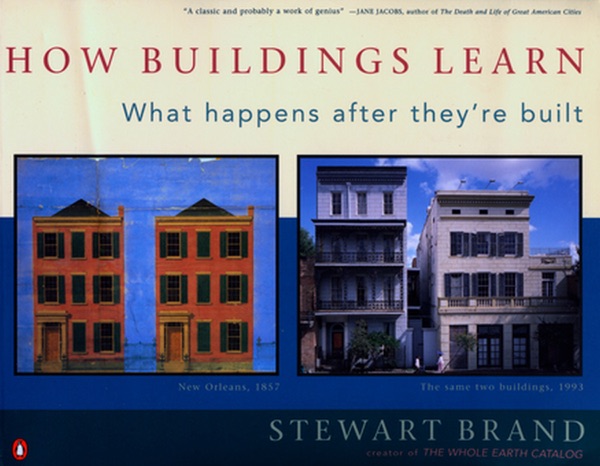
Stewart Brand
Brand's central insight — that buildings are layered systems changing at different rates, from the site (permanent) to the stuff inside (weekly) — reframes every architectural decision as a choice about future adaptability. The book argues that most buildings are designed to photograph well on opening day and fail to age gracefully.
-
05
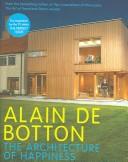
Alain de Botton
A philosopher's account of why certain rooms make us feel expansive and others make us feel diminished, drawing on psychology, aesthetics, and a wide range of buildings from Palladian villas to modernist apartments. De Botton takes seriously the idea that architecture is a form of ethical speech.
-
06
Complexity and Contradiction in Architecture
Robert Venturi
Venturi's 1966 polemic against Miesian minimalism — 'less is a bore' — is the book that opened postmodernism's door in architecture. Short and precise, it makes the case for ambiguity, layering, and the lessons that vernacular and historical buildings hold for contemporary designers.
-
07
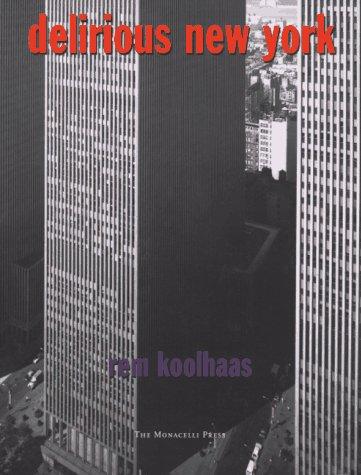
Rem Koolhaas
A retroactive manifesto for Manhattan, arguing that the grid, the skyscraper, and relentless density constitute an ideology of their own — Manhattanism — that the city's architects practiced but never admitted. Koolhaas writes urban history as if it were fiction, which makes it one of the most readable books in the list.
-
08
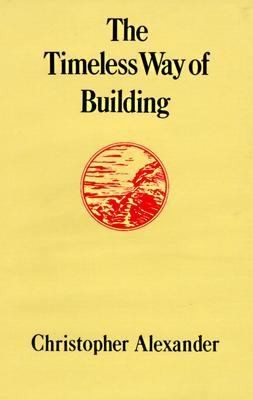
Christopher Alexander
The philosophical companion to A Pattern Language, written before it but meant to be read after. Alexander asks what the 'quality without a name' is that makes certain places feel alive, and argues it emerges from a design process that is alive — recursive, human-scaled, and attentive to specific conditions rather than general rules.
-
09
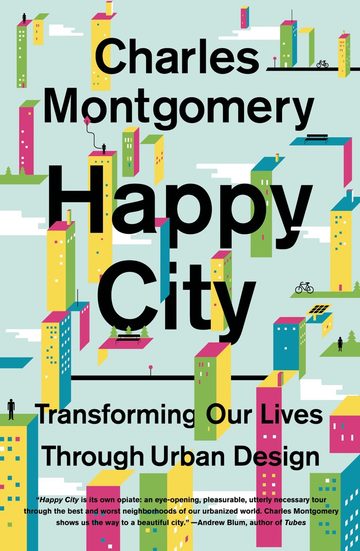
Charles Montgomery
Montgomery brings urban design out of theory and into public-health research, tracking what decades of data say about how street layout, density, transit, and green space affect anxiety, loneliness, and physical health. The book connects Jacobs's intuitions to randomized controlled trials.
-
10
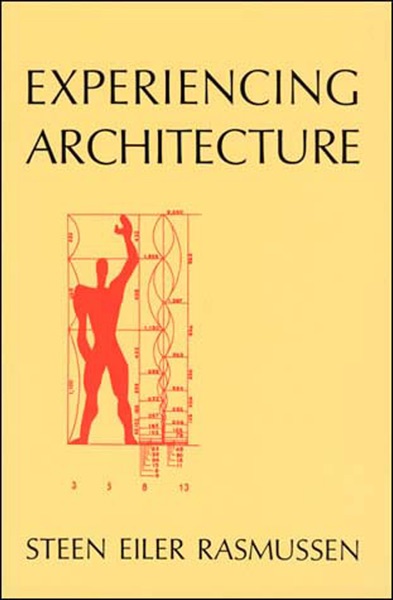
Steen Eiler Rasmussen
A short classic on architectural perception — how buildings communicate through weight, texture, rhythm, and light rather than through form alone. Rasmussen teaches close looking at buildings the way Strunk and White teach close attention to prose. Reading it changes what you notice on any street.
More about this list
The books on this list form an argument, not a survey. They begin with the radical empiricism of Jane Jacobs, who watched sidewalks and took notes, and end with a phenomenologist asking what it feels like to move through a building at all.
In between, two Christopher Alexander books bookend a long attempt to articulate what makes places feel alive versus dead — A Pattern Language as the practical catalog, The Timeless Way of Building as the philosophical foundation beneath it. Le Corbusier arrives as a necessary antagonist: his Towards a New Architecture is the manifesto that built the 20th century, for better and worse, and reading it alongside Jacobs makes her anger legible.
Stewart Brand's How Buildings Learn asks what happens after the architect leaves — buildings as organisms that adapt, age, and either survive or crumble depending on whether they were designed to change. Alain de Botton brings the question inward: what does a building do to your mood, your sense of yourself, your capacity for thought?
Robert Venturi's Complexity and Contradiction is the productive provocation, a short book that dismantled modernist purism. Rem Koolhaas's Delirious New York goes further, reading Manhattan as a retroactive manifesto for density and congestion as architecture's native condition. Charles Montgomery's Happy City translates all this into contemporary urban policy: what does research actually say about which city shapes produce well-being?
Read in this order, the list traces a single question — what do we owe each other in the design of shared space — from the street to the room to the building to the city and back.
