
Topic · 10 books
The best books on climate change
Climate change is the defining challenge of the 21st century: a global shift in atmospheric chemistry, driven by fossil fuel combustion, that is already rewriting coastlines, food systems, and the conditions for human civilization. Reading widely in this field means moving past headlines into the physics, the politics, the grief, and the stubborn ingenuity of people trying to think their way through it.
-
01
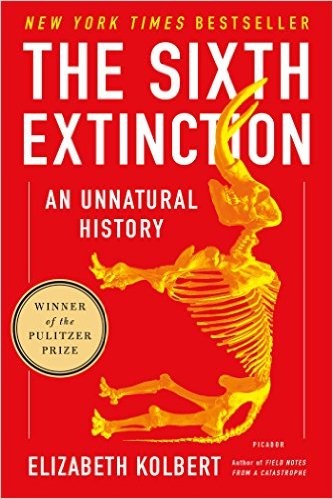
The Sixth Extinction: An Unnatural History
Elizabeth Kolbert
Kolbert spent years reporting alongside biologists watching species disappear in real time. The book's argument is that we are in the middle of a sixth mass extinction — and it makes that claim through fieldwork, not abstraction. The best entry point into climate science for readers who trust narrative over data.
-
02
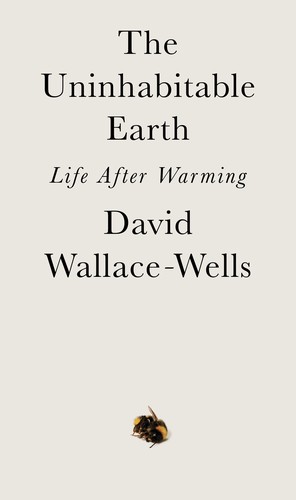
The Uninhabitable Earth: Life After Warming
David Wallace-Wells
Wallace-Wells opens with the line 'It is worse, much worse, than you think,' and then spends 300 pages earning it. Written from the literature of worst-case projections, this is deliberately alarming — a counterweight to optimistic incrementalism. Read it to understand what the 4°C scenarios actually look like.
-
03
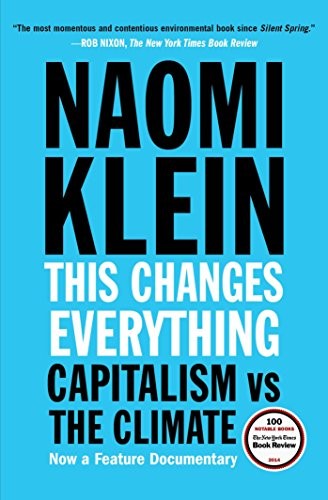
This Changes Everything: Capitalism vs. The Climate
Naomi Klein
Klein's central claim is that climate change is not a problem within capitalism but a problem of capitalism — that the logic of extraction and the logic of a stable climate are incompatible. Whether or not you accept the full argument, the diagnosis of why international negotiations keep failing is lucid and extensively documented.
-
Read these with Superbook
Chat with any book on this list — ask questions, get answers tuned to you.
- the-overstory
04
the-overstory
A novel, not nonfiction, but Powers does something none of the other books here accomplish: he makes the timescale of trees felt as an emotional experience. The result is that you finish it reading the other books differently — with a less human-centric sense of what time and loss mean.
-
05
Henry Pollack
Geologist Henry Pollack uses the paleo-climate record — ice cores, ancient shorelines, fossil pollen — to show that today's changes are fast by any geological standard. Gives the reader a baseline that is otherwise missing from contemporary climate debate.
-
06
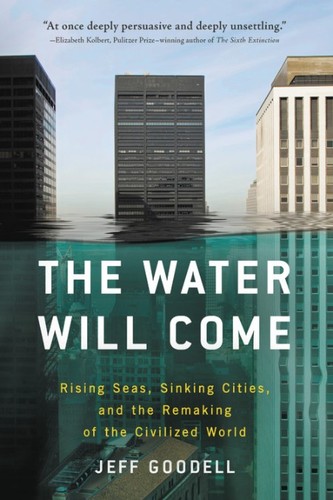
The Water Will Come: Rising Seas, Sinking Cities, and the Remaking of the Civilized World
Jeff Goodell
Goodell reports from Miami, Rotterdam, Lagos, and the Marshall Islands to show that sea-level rise is not a future threat but a present real-estate and insurance crisis. The best account of what 1–2 meters of rise means for specific places and specific people.
-
07
The Fate of Food: What We'll Eat in a Bigger, Hotter, Smarter World
Amanda Little
Amanda Little spent four years reporting on the people trying to grow food in a destabilized climate — drought engineers in Kansas, vertical farmers in Newark, lab-meat scientists in Silicon Valley. The most grounded account of what climate adaptation looks like from the supply chain inward.
-
08
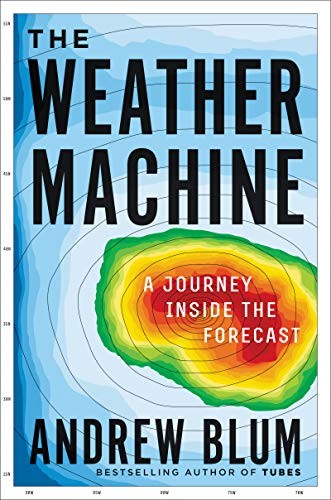
The Weather Machine: A Journey Inside the Forecast
Andrew Blum
Blum's book is ostensibly about how weather forecasts are made, but it ends up being a precise account of how the global atmosphere is monitored — and how fragile that monitoring infrastructure actually is. Essential background for understanding what climate scientists are actually measuring.
-
09
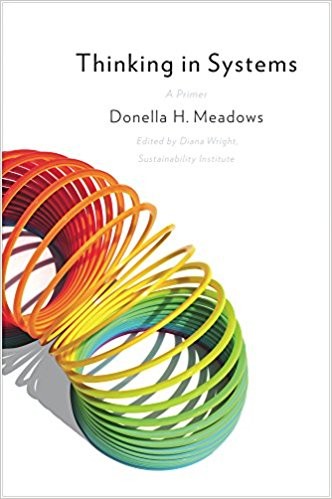
Donella H. Meadows
Donella Meadows wrote this systems primer before climate change became a household term, but it explains more about the structure of the problem than most dedicated climate books. Feedback loops, policy resistance, leverage points — her framework is the conceptual toolkit the other books assume you have.
-
10
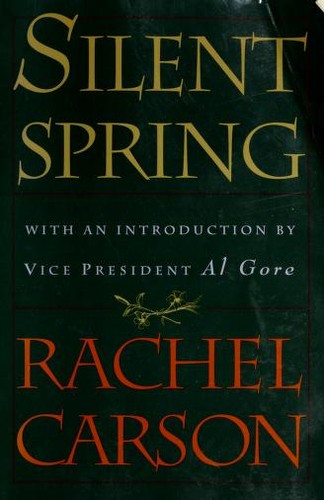
Rachel Carson
Carson's 1962 account of pesticide contamination is the founding text of environmental science writing. It matters here not only as history but as methodology: a demonstration that making an invisible industrial threat visible and specific can, in fact, change policy. Every climate communicator is still working in her shadow.

More about this list
This list traces a specific arc. It begins with the science — not the models but the evidence already written into the fossil record and the bodies of disappearing species. From there it widens into the systemic: why markets and governments have failed to respond proportionally, and how power has shaped inaction. Then comes the lived geography — what rising seas mean for specific cities, what a hotter atmosphere does to the food on your plate, what it sounds like when a climate journalist drives the roads of a changing country.
The final third of the list is about thinking: a novel that rewires how you see forests and time, a systems primer that explains why complex feedback loops resist simple fixes, and the book that started it all — a scientist who in 1962 proved that describing an invisible chemical threat clearly enough could move governments to act. Reading backward from the present to Carson, and then forward again, the list becomes a single argument: that understanding climate change is inseparable from understanding how knowledge becomes action, and why it so often doesn't.
