
Topic · 11 books
Essential Filmmaking reading list
Filmmaking is the art and industry of constructing moving images that carry story, emotion, and meaning. It spans screenwriting, directing, editing, and cinematography — each discipline with its own body of practice built up over a century of production. Reading widely in it reveals how the craft works at every level, from the single cut to the architecture of a three-act structure to the chaos of managing a set on no money.
-
01
Walter Murch
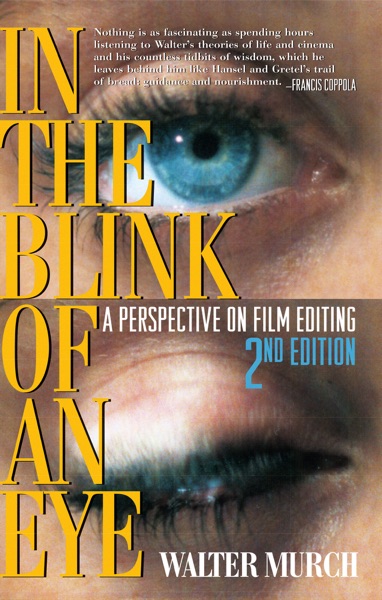
The best book on editing, and also a philosophy of attention. Murch's theory of the 'blink' — that cuts work because they mimic the rhythm of human thought — reframes editing not as a technical choice but as an act of empathy with the audience.
- story-robert-mckee
02
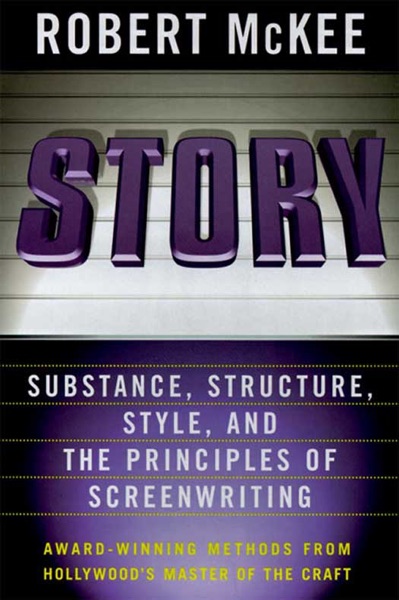
story-robert-mckee
The canonical architecture course for screen narrative. Dense and demanding, but the chapters on scene construction and subtext are the most practically useful pages written about how drama actually generates meaning from moment to moment.
-
03
David Mamet
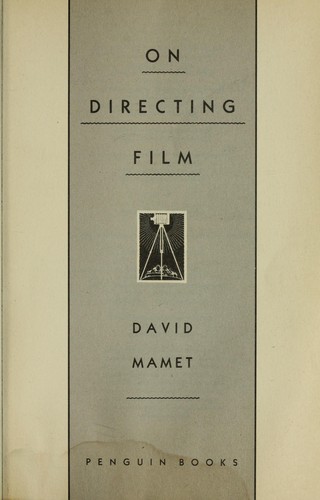
A short, combative transcript of Mamet's directing lectures at Columbia. His central argument — that the director's job is to find the simplest images that carry the story — cuts through most of what film school teaches and is worth disagreeing with as much as agreeing with.
-
Read these with Superbook
Chat with any book on this list — ask questions, get answers tuned to you.
-
04
Sidney Lumet
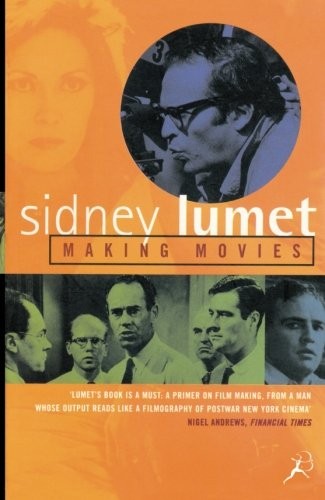
Lumet worked for fifty years across every genre, budget, and format. This is his account of how a film actually comes together — from the first read of a script through the final mix — told with the specificity of someone who had solved each problem many times.
-
05
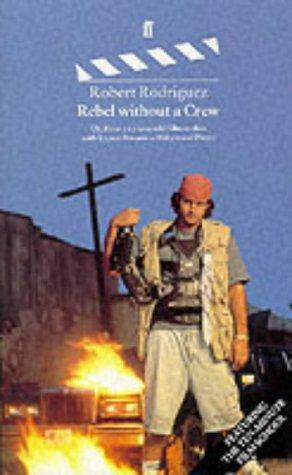
Robert Rodriguez
The production diary of El Mariachi, made for $7,000. Rodriguez's account of using limitation as a forcing function has become a practical manual for low-budget filmmaking, but the deeper lesson is about the relationship between constraint and creative invention.
-
06
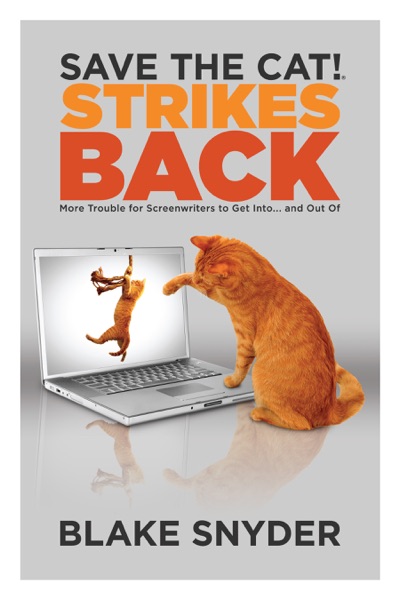
Blake Snyder
The most commercial book on this list, and the most widely used. Snyder's beat sheet is a blunt instrument, but understanding it is necessary — both to apply it and to understand what mainstream studio films are doing structurally, whether you intend to follow the template or subvert it.
-
07
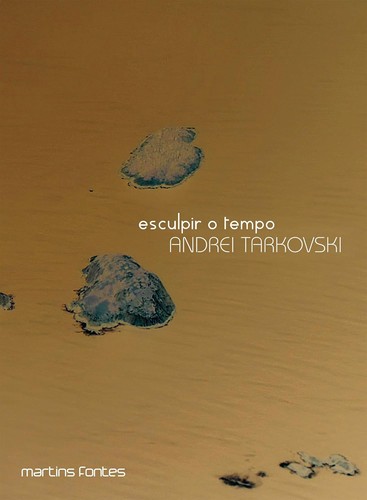
Andrei Tarkovsky
Tarkovsky's account of his own filmmaking is genuinely difficult, but it offers a theory of the image — as a vessel of time rather than a carrier of information — that no other book on this list attempts. Reading it alongside Murch shows how differently two master editors can conceive of what a film is.
-
08
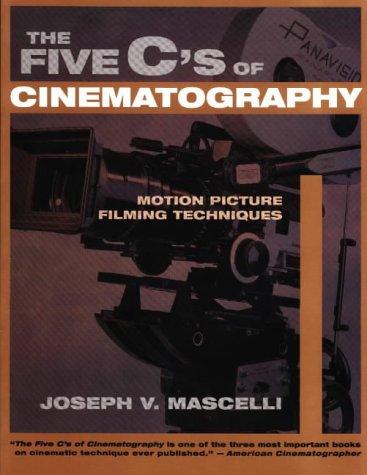
The Five C's of Cinematography
Joseph Mascelli
Camera angles, continuity, cutting, close-ups, composition — the five fundamentals that Mascelli lays out with methodical clarity. Technical rather than artistic, but these are the rules that underlie every visual choice; understanding them makes the more theoretical books legible.
-
09
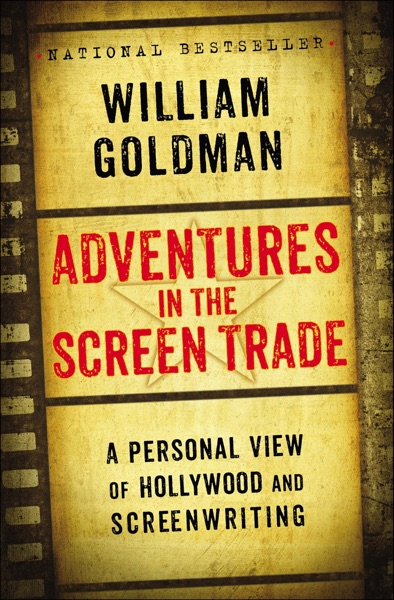
Adventures in the Screen Trade
William Goldman
Goldman wrote Butch Cassidy, All the President's Men, and The Princess Bride, and this book is his frank account of what it is actually like to write for Hollywood. His central claim — that nobody knows anything — is an important corrective to every book on this list that treats filmmaking as a solved problem.
-
10
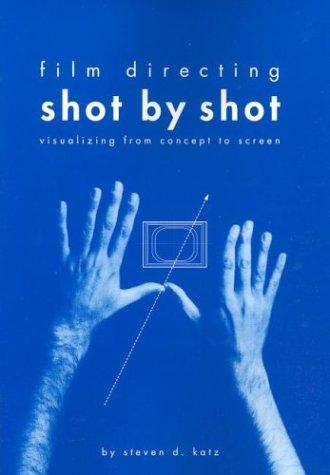
Steven Katz
The most visual book here: a systematic breakdown of how storyboards translate to coverage, how sequences are built from individual shots, and how the visual grammar of cinema works at the level of the individual setup. Best read with a film you know playing in the background.
-
11
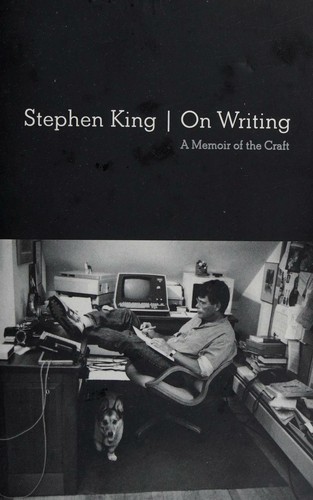
On Writing: A Memoir of the Craft
Stephen King
King's memoir of craft applies as directly to screenwriting as to fiction. His argument that story comes before plot — that you discover what a story is about by following characters rather than outlining — sits in productive tension with the structural approaches of McKee and Snyder.
More about this list
The books on this list move from structure to execution. McKee and Snyder map the grammar of screen story from opposite ends of the tradition — McKee rigorously academic, Snyder brutally commercial — and the tension between their approaches is itself instructive. Mamet and Lumet then bring it to the floor: Mamet through a series of lectures that reduces directing to its irreducible logic, Lumet through the memoir of a career that stretched from Long Day's Journey into Night to Dog Day Afternoon. From there the list opens outward.
Murch's In the Blink of an Eye stands apart as a meditation on editing that is also a theory of consciousness. Tarkovsky's Sculpting in Time does something similar for the image itself — his account of poetic cinema is demanding but recalibrates what the frame is for. Goldman's Adventures in the Screen Trade provides the commercial counterweight: a writer's unsentimental report from inside the studio system, full of the structural forces that shape what gets made.
Rodriguez's Rebel Without a Crew closes the loop back to the beginning. Shot on $7,000 in Mexico, El Mariachi became a proof-of-concept for a generation of filmmakers. His production diary is equal parts practical manual and argument that constraints are a creative tool. Mascelli's Five C's and Katz's Film Directing Shot by Shot supply the visual and technical vocabulary the other books assume. Read them alongside rather than after — the abstract claims about storytelling become concrete when you can name what the camera is actually doing.
