
Topic · 12 books
Essential Writing reading list
Writing is how thinking becomes visible. The craft tradition — from Strunk and White's insistence on clarity to Stephen King's autopsy of his own process to Anne Lamott's permission to write badly — argues that good prose is learnable rather than innate. Steven Pinker grounds style in cognitive science; William Zinsser makes the case for simplicity in nonfiction; George Saunders dissects the short story from the inside. Reading across this tradition reveals a surprising consensus: cut more, commit to specificity, and treat the reader's time as the scarcest resource.
-
01
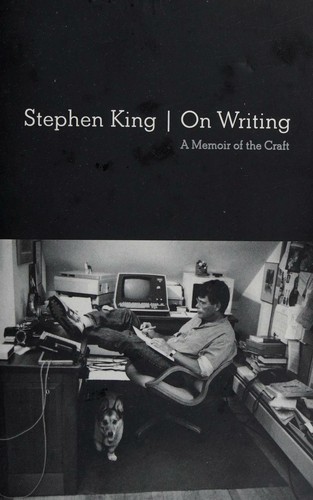
On Writing: A Memoir of the Craft
Stephen King
King's memoir of his apprenticeship doubles as the most readable manual on fiction craft available. The buried-toolbox metaphor — vocabulary, grammar, style in ascending order — and the argument against adverbs remain the most frequently cited craft advice from the last thirty years.
-
02
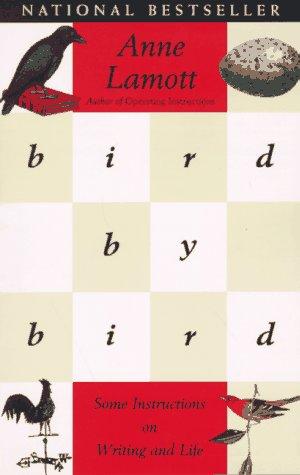
Anne Lamott
Lamott's title comes from the advice her father gave her brother on a school report about birds: take it bird by bird. The book is organized around the same permission — shitty first drafts, one small assignment at a time, and the radical act of telling the truth in scenes rather than abstractions.
-
03
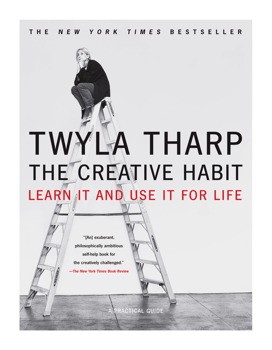
Twyla Tharp
Twyla Tharp's book is about the ritual before the work, not the work itself. Her argument is that creativity is not inspiration but preparation: the box, the fixed morning hour, the decision to show up whether you feel like it or not. Writers borrowed it heavily from dance.
-
Read these with Superbook
Chat with any book on this list — ask questions, get answers tuned to you.
-
04
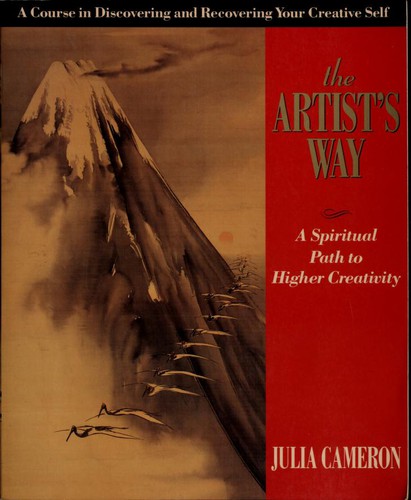
Julia Cameron
Julia Cameron's twelve-week program centers on morning pages — three longhand pages written immediately on waking, without agenda. The practice is designed to bypass the internal censor. Controversial in literary circles, but the morning pages habit has a documented following among working writers.
-
05
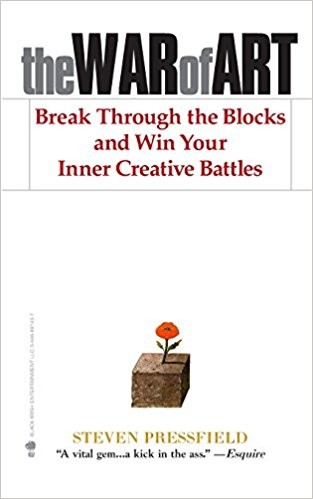
Steven Pressfield
Pressfield names the enemy: Resistance, capitalized, the force that prevents the work from happening. The book is short and polemical — its argument is that the amateur waits for inspiration while the professional sits down. It is most useful read alongside Lamott, which gives the Resistance a more human face.
-
06
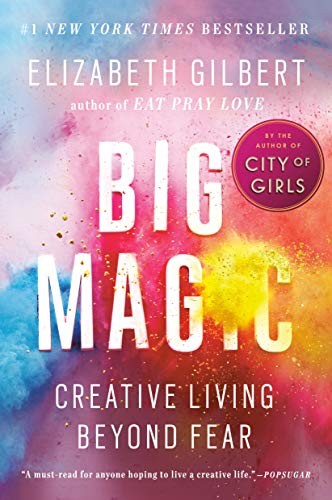
Elizabeth Gilbert
Elizabeth Gilbert's account of creativity as a negotiation with ideas that want to exist. The book is less prescriptive than King or Lamott — it is closer to a philosophy of making. Its most useful contribution is the argument that curiosity, not passion, is the more sustainable motivator.
-
07
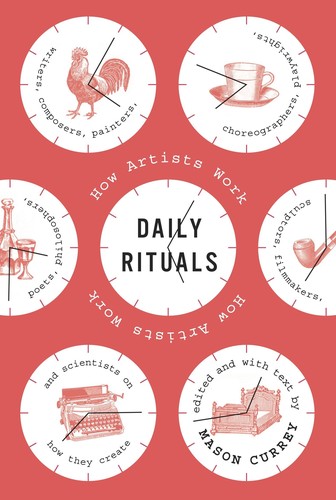
Daily Rituals: How Artists Work
Mason Currey
Mason Currey's compendium of working habits across 161 artists and writers. No argument, just pattern: the quantity of early risers, the role of walking, the surprising tolerance for alcohol among the canonical figures. Useful as evidence against romantic notions of inspiration.
-
08
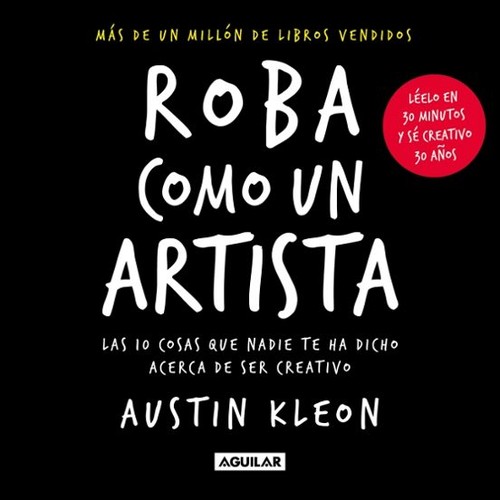
Austin Kleon
Kleon's first book argues that originality is a misunderstanding of how influence actually works — all artists are made by their influences, and acknowledging this is the beginning rather than the end of a voice. The book is brief and designed, but the underlying argument is serious.
-
09
Austin Kleon
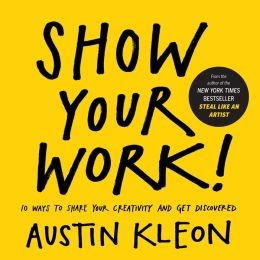
The companion to Steal Like an Artist addresses the internet-era question: how do you share work publicly before it is finished? Kleon argues for sharing process rather than product — the sketch rather than the final painting. Relevant to writers building an audience while the book is still in draft.
-
10
Austin Kleon
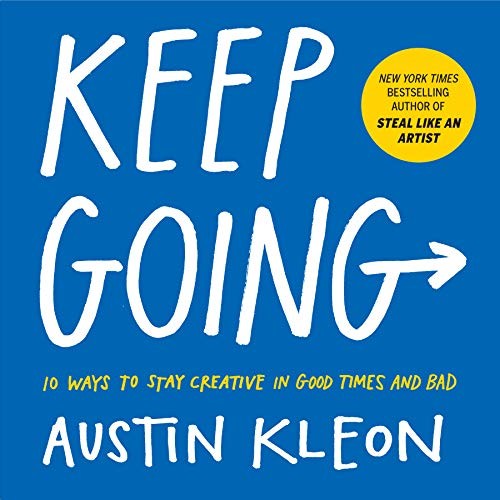
The third in Kleon's series, written during a period of political anxiety. Its contribution to the canon is the distinction between calendar time (fixed, external) and clock time (pressured, interior). The argument is that protecting long uninterrupted stretches is the central creative discipline, not a luxury.
-
11
Steven Pressfield
Pressfield's compressed follow-up to The War of Art is structured as a field manual for a single project from inception to completion. The confrontation-with-resistance arc is the same, but the focus on structural problems in narrative — the sag in the middle, the fear of the ending — makes it more directly applicable to book-length work.
-
12
Ernest Hemingway
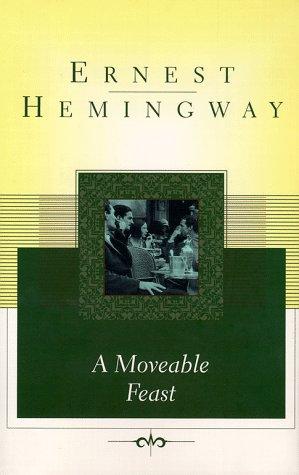
Hemingway's memoir of Paris in the 1920s reads as a negative-space craft book: the prose demonstrates rather than instructs. The famous iceberg theory — what is left out carries as much weight as what is included — is visible on every page. Useful to read alongside Zinsser, who makes the same argument in the essay tradition.
More about this list
The books on craft cluster into two camps that turn out to be the same argument. The first camp — Strunk and White, Zinsser, Pinker — arrives from the editorial tradition. Strip the sentence. Prefer the active verb. Don't bury the point. The second camp — King, Lamott, Pressfield, Cameron — arrives from the psychological tradition. The enemy is not bad grammar; it is the internal resistance that prevents the draft from existing at all. Both camps agree on what stands between most writers and better work: the refusal to be honest on the page.
The list is roughly ordered from the prescriptive to the exploratory. The Elements of Style and On Writing Well establish the baseline: sentences that carry weight, paragraphs that move. King and Lamott add the process underneath — the daily practice, the permission to write a terrible first draft, the slow discovery of what the piece is actually about. Then comes the harder material: Pressfield and Cameron on resistance and the unconscious; Twyla Tharp on the creative habit as a physical discipline. Austin Kleon's pair of books (Steal Like an Artist, Show Your Work) sit at the end because they address the contemporary problem — how to develop influence publicly while the work is still unfinished. Reading the list in order lets each book revise what the previous ones said.
