
Topic · 8 books
The best books on Memory
Memory is not a recording device—it is a reconstruction engine that edits the past each time it retrieves it. Understanding how memory works, why it fails, and how deliberate techniques can stretch its limits matters for anyone who learns, teaches, ages, or simply wants to understand how the mind makes sense of experience. The neuroscience has advanced enormously in the past thirty years, and so has the practical science of retention.
-
01
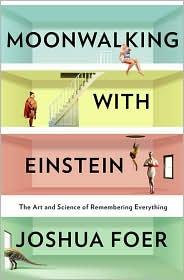
Joshua Foer
The starting point for this list. Foer enters the U.S. Memory Championship as a journalist and ends up winning it, but the real subject is what competitive memorization reveals about ordinary cognition—and why we outsource so much recall to devices.
-
02
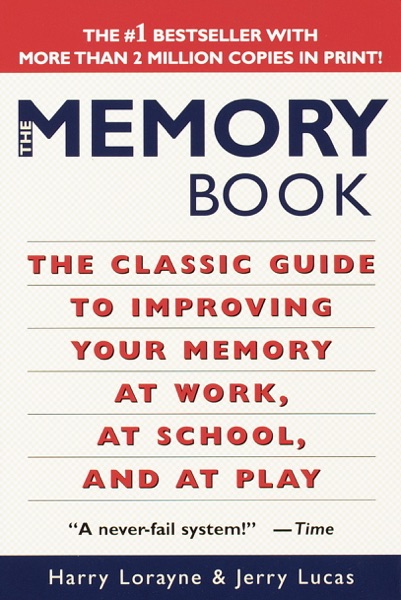
Harry Lorayne and Jerry Lucas
Harry Lorayne and Jerry Lucas wrote the practical manual that underlies nearly every memory sport technique. Dry in places, but the linking and peg systems are still the fastest route from knowing the methods to actually using them.
-
03
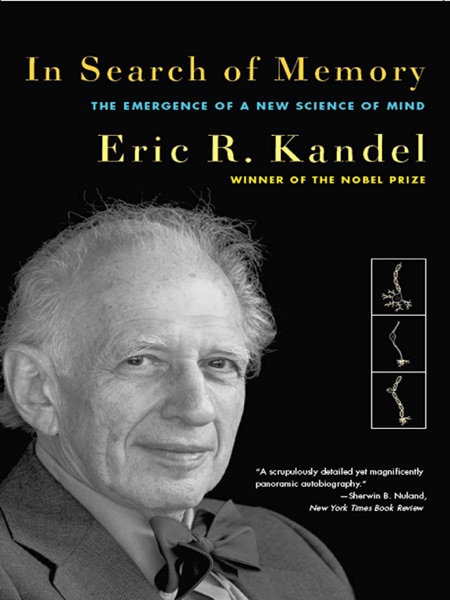
Eric R. Kandel
Kandel's Nobel-winning research on the cellular basis of memory, told as a memoir that moves between Vienna, New York, and the lab bench. The sea slug experiments that mapped short-term to long-term memory consolidation are explained with clarity and personal stake.
-
Read these with Superbook
Chat with any book on this list — ask questions, get answers tuned to you.
-
04
The Man Who Mistook His Wife for a Hat
Oliver Sacks
Oliver Sacks's case studies remain the best literary introduction to what memory does in the human mind. Each patient whose recall is broken in a specific way teaches something about how ordinary memory normally holds the self together.
-
05
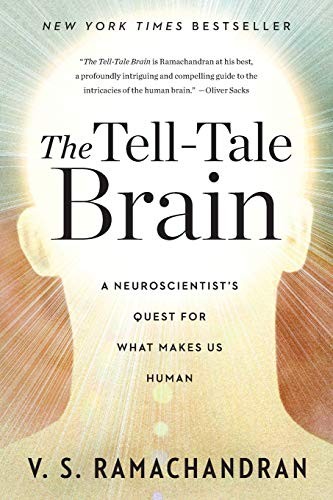
The Tell-Tale Brain: A Neuroscientist's Quest for What Makes Us Human
V. S. Ramachandran
Ramachandran's cases—phantom limbs, Capgras syndrome, synesthesia—show the brain papering over gaps with confident confabulation. The book sharpens the idea that memory is reconstructive, not archival, and that the brain's narrative drive is relentless.
-
06
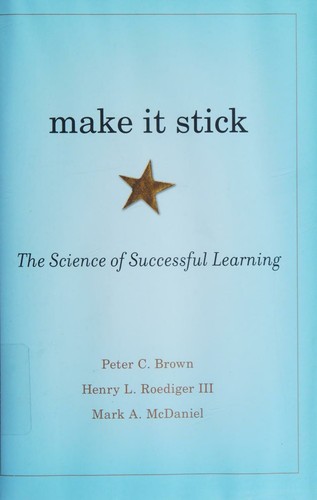
Peter C. Brown, Henry L. Roediger and Mark A. McDaniel
The most evidence-grounded book on learning and retention aimed at general readers. Brown, Roediger, and McDaniel marshal the spacing, testing, and interleaving research in a way that changes how you practice anything—and explains precisely why rereading is the least effective method.
-
07
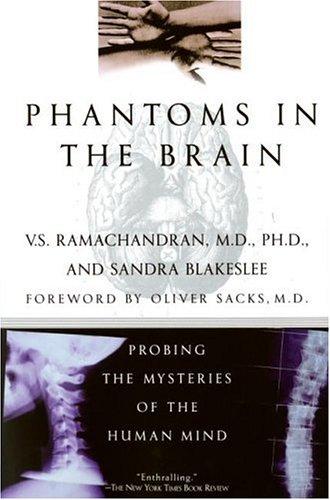
Phantoms in the Brain: Probing the Mysteries of the Human Mind
V. S. Ramachandran and Sandra Blakeslee
Ramachandran's first popular book, focused on neurological illusions and the constructed nature of perception and memory. The mirror box work and the chapter on false memories ground the list's broader argument that recall is never neutral retrieval.
-
08
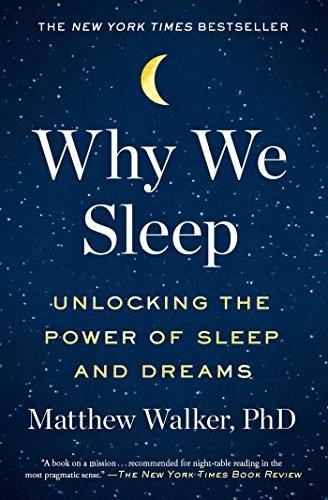
Matthew Walker
Walker's treatment of memory consolidation during sleep is the best lay account of what happens between the study session and the exam. The chapters on REM sleep and emotional memory processing are directly relevant to any reader trying to improve long-term retention.
More about this list
The books on this list trace a single arc: from the ancient art of memory palaces through the modern neuroscience of synaptic change, and back out to practical technique.
Start with Foer's *Moonwalking with Einstein*, which puts you inside a competitive memory scene and asks a harder question—what is the point of remembering things at all in an age of search engines? Lorayne and Lucas's *The Memory Book* supplies the raw technique Foer was learning: linking, pegging, and the method of loci, written for people who want to actually use them.
Then go deeper into mechanism. Kandel's memoir *In Search of Memory* is a Nobel laureate walking you through decades of research on how memories form at the cellular level—the sea slug *Aplysia* turns out to be a window into human learning. Oliver Sacks's case studies in *The Man Who Mistook His Wife for a Hat* and *The Tell-Tale Brain* show what happens when the machinery breaks, which illuminates the machinery itself. Ramachandran is especially good on why the brain constructs coherent narrative from fragmentary data.
The list then turns to sleep and consolidation—*Why We Sleep* makes the case that the night shift is where most memory work actually happens—before ending with the applied literature. *Make It Stick* is the best translation of cognitive science into study and teaching practice, and it holds up under scrutiny. Read it after Kandel and you'll understand why spaced repetition and interleaving work, not just that they do.
