
Topic · 10 books
Essential Personal finance reading list
Personal finance sits at the intersection of math, behavior, and life design. Getting the numbers right matters less than most people think — the field's biggest finding is that investor behavior, not investment returns, determines outcomes. This list spans index-fund orthodoxy, psychological research on money decisions, the FIRE (financial independence, retire early) movement, and the income-growth argument that spending less isn't the only lever worth pulling.
-
01
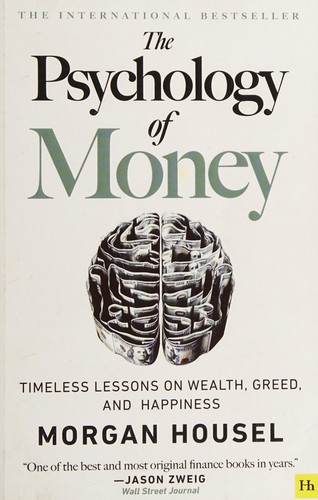
Morgan Housel
Morgan Housel's central argument is that financial success is less about knowing the right formulas than about behaving well under uncertainty over long periods. The book's real contribution is showing how the same money behaviors that look irrational in isolation make perfect sense given each person's specific history and lived experience.
-
02
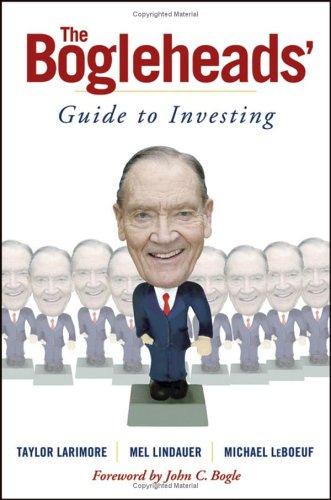
The Bogleheads' Guide to Investing
Taylor Larimore
The clearest single-volume statement of the Bogleheads philosophy: own the whole market, keep costs near zero, rebalance mechanically, ignore forecasters. It is deliberately unexciting, which is the point. The Bogleheads community traces directly to John Bogle's life work at Vanguard, and this book codifies it accessibly.
-
03
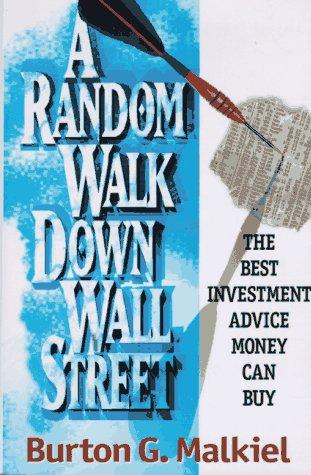
A Random Walk Down Wall Street
Burton G. Malkiel
Burton Malkiel's original case that stock prices follow a random walk and that active management persistently underperforms passive alternatives after fees. First published in 1973 and updated through multiple editions, it remains the intellectual foundation for index-fund investing. The efficient-market argument here precedes and explains the Bogleheads prescription.
-
Read these with Superbook
Chat with any book on this list — ask questions, get answers tuned to you.
-
04
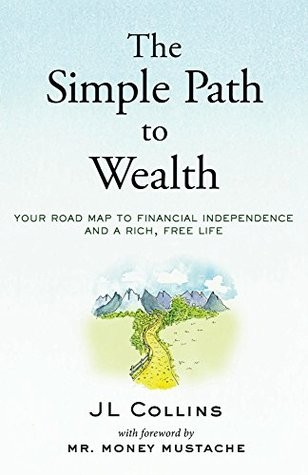
JL Collins
JL Collins distilled his 'stock series' blog posts into this short, opinionated guide. The core advice is stark: invest in VTSAX, avoid debt, and ignore the noise. Collins wrote it as a letter to his daughter, and that framing keeps it practical rather than academic. The FIRE community treats it as essential background reading.
-
05
Ramit Sethi
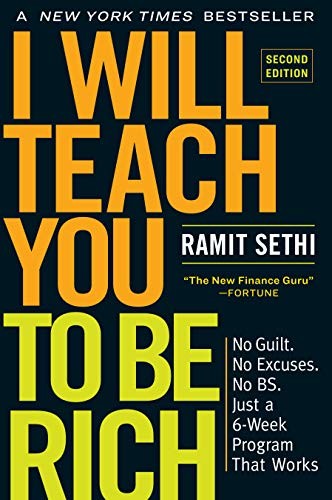
Ramit Sethi's contribution is the automation framework: set up systems so the right behavior happens without willpower. His target reader is a 25-year-old who hasn't started yet, not a 45-year-old optimizing an existing portfolio. The tone is deliberately confrontational toward financial guilt, which makes it land differently than most money books.
-
06
Vicki Robin
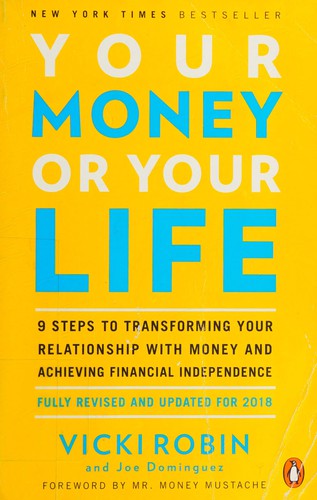
Vicki Robin and Joe Dominguez's 1992 book introduced the concept of 'life energy' — the hours of your finite existence traded for money — and used it to re-examine every spending decision. It is the philosophical foundation of the FIRE movement, written before that label existed. Reading it after Sethi clarifies what the automation is ultimately in service of.
-
07
Jacob Lund Fisker
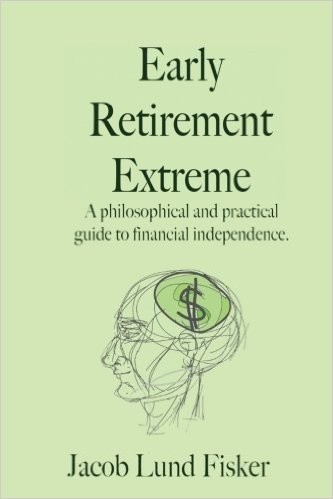
Jacob Lund Fisker's book is the most rigorous and demanding text on this list. A physicist by training, he builds a systems-theory framework for early retirement that requires roughly a 25% savings rate as a floor. It is less a personal-finance manual than a critique of consumer society, and it will unsettle readers who found the Bogleheads comfortable.
-
08
Thomas J. Stanley
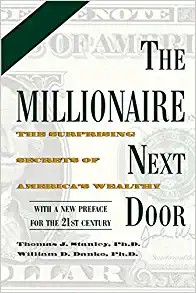
Thomas Stanley and William Danko's 1996 research-based portrait of actual American millionaires found them living in ordinary neighborhoods, driving used cars, and running unglamorous businesses. The book's lasting value is empirical: it provides data against the cultural image of wealth as consumption, and it directly informs how the FIRE movement thinks about lifestyle design.
-
09
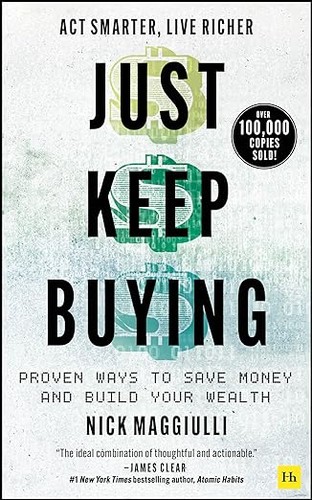
Nick Maggiulli
Nick Maggiulli's book is the most data-driven on this list. He tests conventional personal-finance advice — lump-sum vs. dollar-cost averaging, whether to pay off debt before investing, how much to spend in retirement — against historical evidence. Several standard answers turn out to be wrong or context-dependent, and Maggiulli is honest about the uncertainty.
-
10
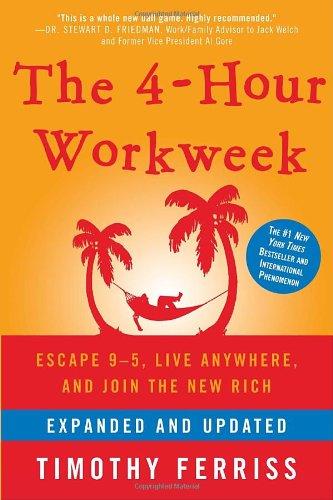
Timothy Ferriss
Tim Ferriss's book belongs on a personal-finance list not for its investment advice but for its income argument: the fastest way to reach financial independence may be redesigning how and where you work rather than cutting spending to the bone. The 'new rich' framework is deliberately provocative, and the specific tactics age poorly, but the income-side case remains underweighted in most FIRE writing.
More about this list
This list is organized as a journey rather than a greatest-hits collection. It begins with the foundational case for low-cost index investing — the Bogleheads tradition and Burton Malkiel's random-walk thesis — then moves into why intelligent, educated people still make systematically bad financial decisions (Housel, Kahneman-adjacent behavioral work). From there it descends into the mechanics: the specific playbooks for eliminating debt, automating savings, and building wealth without a finance degree.
The third layer is where the list becomes more interesting and more contested: the FIRE movement literature. Jacob Lund Fisker's extreme-early-retirement framework and Vicki Robin's original money-and-life thesis are not comfortable reads, but they force a confrontation with how much income is actually necessary. They argue the consumption assumptions underlying most financial advice are themselves the problem.
The list ends with two books that push back on pure accumulation: Bill Perkins's case for spending strategically rather than hoarding, and Tim Ferriss's income-side argument that redesigning how you earn opens more options than any savings rate. Reading them after the index-fund canon changes what the earlier books were actually saying.
