
Topic · 10 books
The best books on public speaking and communication
Public speaking and communication is the practice of constructing and delivering ideas so they land with clarity, credibility, and force. In an era of information overload, the ability to make an idea stick — in a conference room, on a stage, or in writing — is one of the most leveraged skills a person can develop. Reading widely in this field reveals that great communication is not a gift but a craft: rooted in psychology, structured through story, and refined through deliberate practice.
-
01
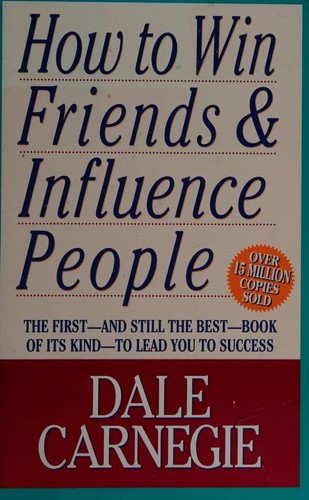
How to Win Friends and Influence People
Dale Carnegie
The foundational text on interpersonal communication, published in 1936 and still prescient. Carnegie's principles — listen genuinely, make the other person feel important, avoid argument — run through almost every subsequent book on persuasion. The angle here is relational rather than rhetorical: connection as the precondition for any message landing at all.
-
02
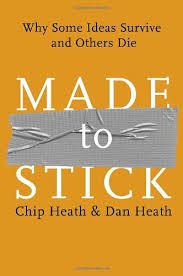
Made to Stick: Why Some Ideas Survive and Others Die
Chip Heath and Dan Heath
The Heath brothers analyzed why urban legends survive for decades while important ideas disappear overnight, and found six consistent patterns: simplicity, unexpectedness, concreteness, credibility, emotion, stories (SUCCESs). The most practically useful framework on this list for anyone designing a speech, pitch, or presentation.
-
03
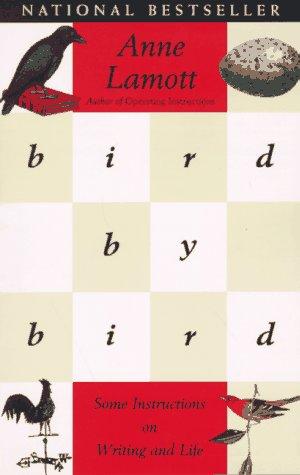
Anne Lamott
Anne Lamott's guide to writing fiction is also the clearest account of developing an authentic voice. The 'shitty first drafts' chapter alone is worth the book — it describes the liberating discipline of getting ideas out before polishing them, which applies as directly to rehearsing a talk as it does to a manuscript.
-
Read these with Superbook
Chat with any book on this list — ask questions, get answers tuned to you.
-
04
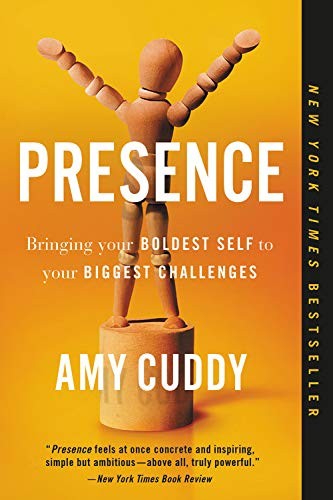
Amy Cuddy
Amy Cuddy's research on presence reframes the pre-speech anxiety question entirely. Rather than asking how to project confidence, she asks what conditions allow a person to access their actual competence. The distinction between performing presence and inhabiting it runs through every practical chapter.
-
05
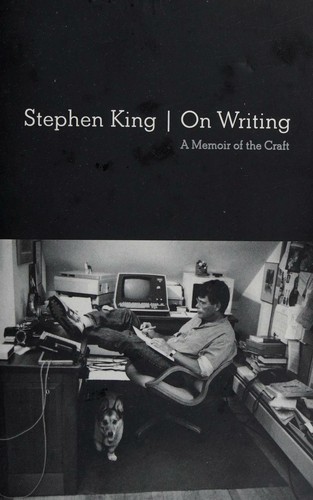
On Writing: A Memoir of the Craft
Stephen King
Stephen King's memoir-as-craft-manual argues that clarity in writing comes from stripping away, not adding. Vocabulary, grammar, and rhythm as tools for making ideas land — not for decoration. The section on adverbs alone will change how you write a slide deck or an email.
-
06
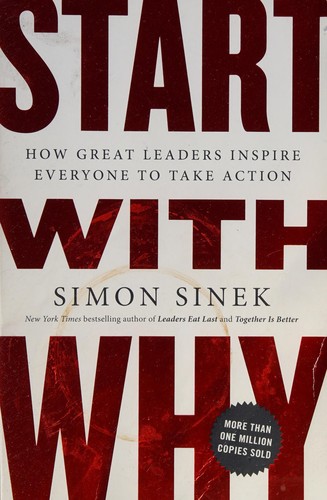
Simon Sinek
Sinek's central claim — that people respond to WHY before WHAT or HOW — is a communication framework as much as a leadership one. The Golden Circle describes a sequence that maps to how the brain processes narrative, which is why it became a template for keynote structure and elevator pitches alike.
-
07
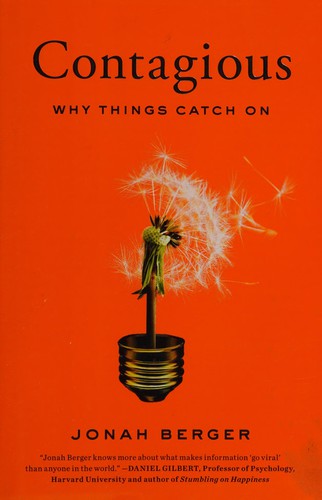
Contagious: Why Things Catch On
Jonah Berger
Jonah Berger's research on what makes content spread identifies six drivers (STEPPS: social currency, triggers, emotion, public, practical value, stories). Where Made to Stick addresses a fixed audience, Contagious addresses how an idea moves from person to person — the difference between a speech and a message.
-
08
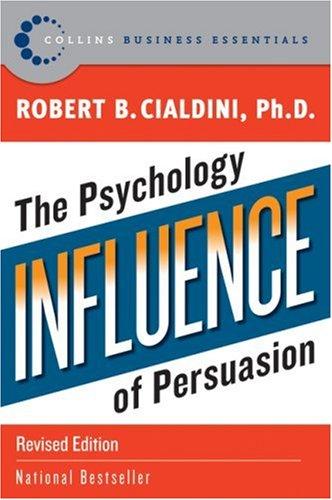
Influence: The Psychology of Persuasion
Robert B. Cialdini
Cialdini's six principles — reciprocity, commitment, social proof, authority, liking, scarcity — are the mechanical underpinning of persuasion. Not a speaking manual, but essential background for understanding why certain rhetorical moves work on audiences and why others backfire.
-
09
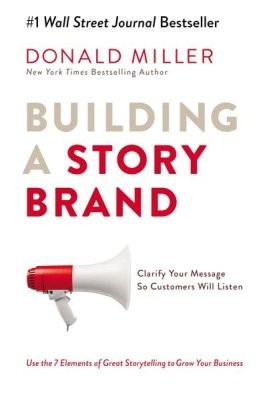
Donald Miller
Donald Miller applies the seven-element Hero's Journey to business communication. His framework — position the customer as hero, the brand as guide — is a practical template for any talk or message where you need to clarify what you're offering and why it matters to the person in front of you.
-
10
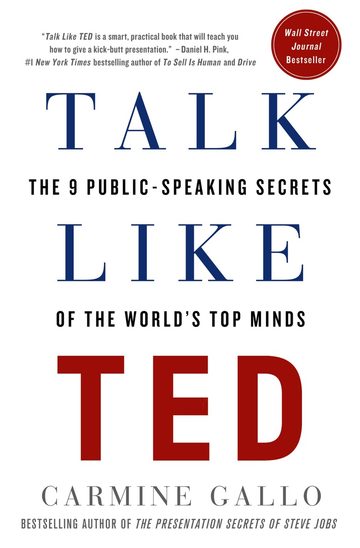
Talk Like TED: The 9 Public-Speaking Secrets of the World's Top Minds
Carmine Gallo
Gallo interviewed hundreds of TED speakers and identified nine common practices: mastering the art of storytelling, delivering jaw-dropping moments, making it personal, teaching something new, building in novelty, creating memorable moments, using humor, sticking to 18 minutes, and painting a mental picture. The most direct synthesis of what elite public speakers actually do.
More about this list
The books on this list treat communication as a discipline, not a talent. They start from different angles — neuroscience, rhetoric, memoir, sales — but collectively map the same territory: why some ideas travel and others die, how the best communicators prepare, and what separates a forgettable presentation from one that changes how an audience thinks.
Carmine Gallo studied hundreds of TED talks to reverse-engineer what makes them work. Dale Carnegie spent decades teaching persuasion through conversation and presence. The Heath brothers ran down the science of why certain messages stick in memory when most vanish within hours. Anne Lamott, writing about fiction, describes a discipline of voice and honesty that applies just as directly to the stage.
Read in sequence, these books build on each other. The Carnegie approach to connection and trust becomes the foundation for Cialdini's deeper analysis of influence mechanisms. Made to Stick explains why Sinek's Golden Circle works neurologically. Presence reframes the question from 'how do I perform well?' to 'how do I show up as myself?' By the time you reach the end of this list, a TED talk you watched in the beginning will look entirely different — a series of deliberate choices, not natural charisma.
