
Topic · 12 books
The best books on Leadership
Leadership sits at the intersection of psychology, organizational behavior, and ethics — it is the study of how people influence others toward a shared goal, and why so many fail at it. The field has shifted from heroic-individual models toward questions of trust, vulnerability, and collective intelligence. Getting fluent in its literature gives practitioners a vocabulary for diagnosing dysfunction, building teams that outlast their founders, and understanding the difference between holding authority and exercising genuine influence.
-
01
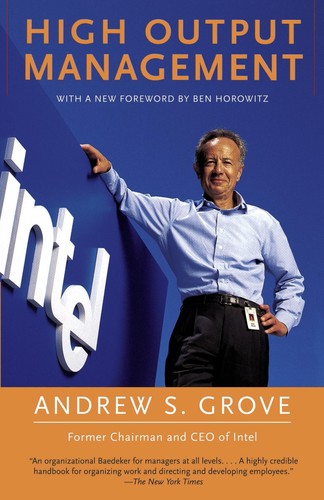
Andrew S. Grove
Grove's foundational argument: a manager's output is the output of the teams they influence, not their individual work. The distinction reorients how you think about every hour of your day, and the leverage concept — output per unit of managerial time — is still the most useful frame in the field.
-
02
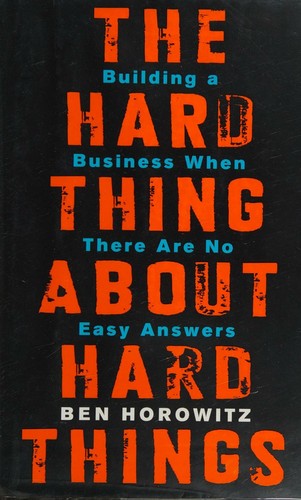
The Hard Thing About Hard Things
Ben Horowitz
Horowitz writes for leaders who are past the theory stage and into the problems that have no clean solution — when to fire a friend, how to lead through a near-death experience, why most leadership advice is written for easy conditions. The antidote to frameworks that assume stability.
-
03
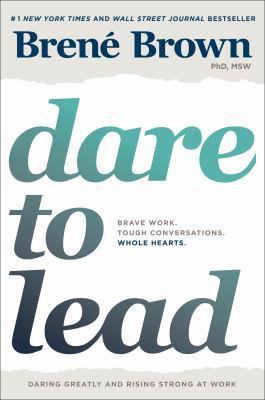
Brené Brown
Brown's research on shame and vulnerability turns into a practical leadership argument: armor — the behaviors leaders adopt to avoid discomfort — is the main driver of organizational dysfunction. The book is dense with specific behaviors to practice and avoid, grounded in years of qualitative research.
-
Read these with Superbook
Chat with any book on this list — ask questions, get answers tuned to you.
-
04
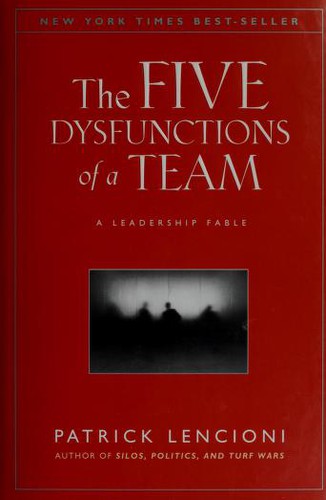
The Five Dysfunctions of a Team
Patrick Lencioni
Lencioni's model — absence of trust, fear of conflict, lack of commitment, avoidance of accountability, inattention to results — is a diagnostic checklist as much as a theory. The fable format makes it fast to read, and the pyramid structure helps teams identify which dysfunction is upstream of the others.
-
05
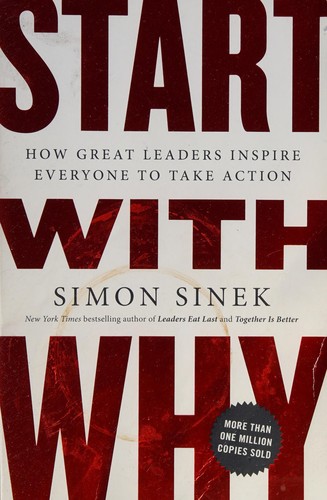
Simon Sinek
Sinek's Golden Circle (Why/How/What) is less empirically grounded than the rest of this list, but its core observation is accurate: people don't follow what you do, they follow why you do it. Useful for understanding how leaders communicate identity externally and why some inspire loyalty while others just manage compliance.
-
06
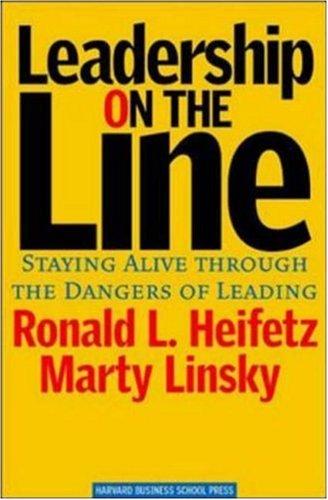
Ronald A. Heifetz and Marty Linsky
Heifetz and Linsky distinguish adaptive challenges — which require people to change their beliefs and behaviors — from technical problems that expertise can solve. Most leadership failures happen when people apply technical solutions to adaptive challenges. This is among the most important distinctions in the field.
-
07
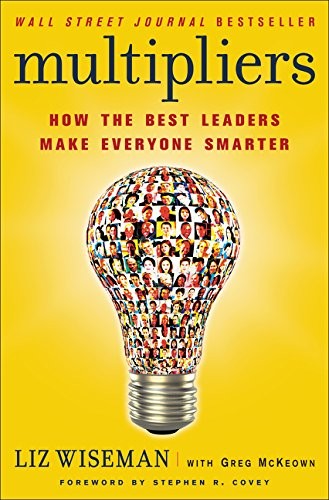
Liz Wiseman
Wiseman's research finding: some leaders act as Multipliers who bring out two times the intelligence of their teams; others are Diminishers who unintentionally suppress it. The taxonomy of specific behaviors (the Empire Builder, the Tyrant, the Know-It-All vs. their opposites) is precise enough to be self-diagnostic.
-
08
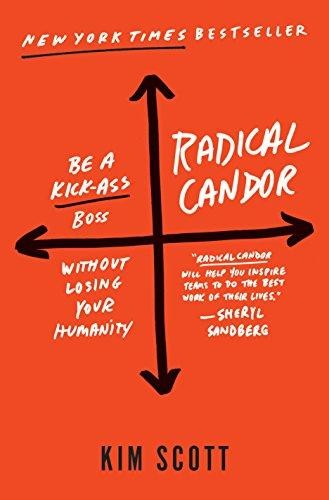
Kim Scott
Scott's two-axis framework — care personally, challenge directly — gives a practical vocabulary for the feedback conversations managers routinely avoid. The quadrant model (Radical Candor, Ruinous Empathy, Obnoxious Aggression, Manipulative Insincerity) is one of the most operationally useful tools in management writing.
-
09
Daniel Coyle
Coyle examines high-performing groups — SEAL teams, Pixar, the San Antonio Spurs — to identify the three skills that build strong cultures: building safety, sharing vulnerability, and establishing purpose. The research is descriptive rather than prescriptive, which makes it more credible than most culture books.
-
10
Simon Sinek
Sinek's second major book applies neuroscience — oxytocin, cortisol, dopamine — to explain why some work environments feel safe and others don't, and how leaders establish the Circle of Safety that determines whether teams will take the risks that produce performance. More substantive than Start With Why.
-
11
L. David Marquet
Marquet's account of transforming the USS Santa Fe from the worst-performing submarine in the Navy to the best. The specific mechanism — moving from leader-follower to leader-leader by pushing control down while moving competence and clarity up — is one of the most rigorously documented leadership case studies in print.
-
12
Robert Kegan and Lisa Laskow Lahey
Kegan and Lahey argue that most organizations are 'second nature' — places where people spend enormous energy managing impressions and hiding weaknesses. Deliberately Developmental Organizations build learning into daily work. A challenging read that sits at the furthest edge of what most organizations are ready for.
More about this list
The books on this list trace an argument across several decades of research and practice. It begins with the hard operational reality Grove captured in High Output Management: leadership is about maximizing the output of those you're responsible for, not your own output. From there the list moves to the structural side — Lencioni's Five Dysfunctions names the failure modes that kill teams regardless of individual talent, while Heifetz and Linsky in Leadership on the Line distinguish technical problems (solvable with expertise) from adaptive challenges (which require changing the people themselves).
Brené Brown's Dare to Lead reframes vulnerability not as weakness but as the prerequisite for the psychological safety that Edmondson's research shows is the single strongest predictor of team performance. Sinek's Start With Why operates at the level of motivation and public narrative — less rigorous than the others, but useful for understanding how leaders communicate identity. Horowitz's The Hard Thing About Hard Things is the corrective: a practitioner's account of leadership under conditions where the frameworks dissolve.
The list ends with two books that zoom out. Multipliers examines how leaders either amplify or diminish the intelligence of the people around them — a framing that reshapes how you observe every meeting you attend. And Radical Candor gives a day-to-day operating system for the feedback conversations that most managers avoid. Taken together these twelve books do not agree on everything. Their productive disagreements are the point.
