
Reading list · 12 books
Warren Buffett's reading list
Warren Buffett is the chairman and CEO of Berkshire Hathaway, one of the largest companies in the world by market capitalization. A student of Benjamin Graham at Columbia, he built his fortune through disciplined value investing over seven decades. His annual letters to shareholders are among the most widely read documents in finance, and he has consistently pointed other investors and incoming Berkshire managers toward a short stack of books that shaped his thinking.
-
01
Benjamin Graham
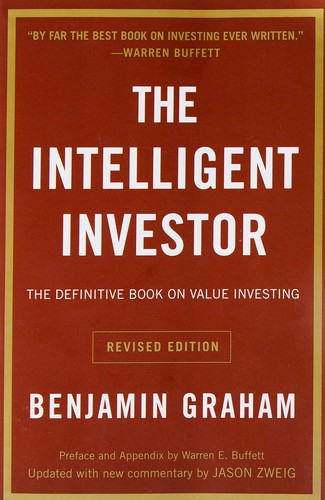
Buffett has called this the best book about investing ever written. He read it at nineteen and credits it with giving him the intellectual framework he has used ever since — specifically Graham's concept of Mr. Market and the margin of safety principle.
-
02
Benjamin Graham
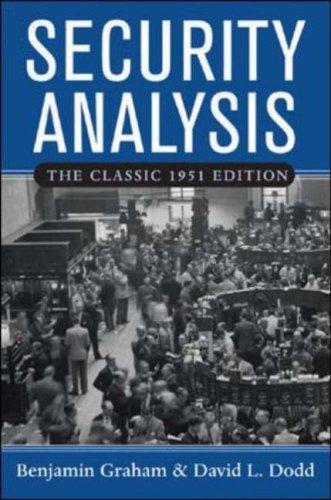
The academic companion to The Intelligent Investor, co-authored by Graham and David Dodd. Buffett studied under Graham at Columbia and later worked for his firm. He has described this book as foundational to everything he does, returning to it over the course of his career.
-
03
Common Stocks and Uncommon Profits
Philip A. Fisher
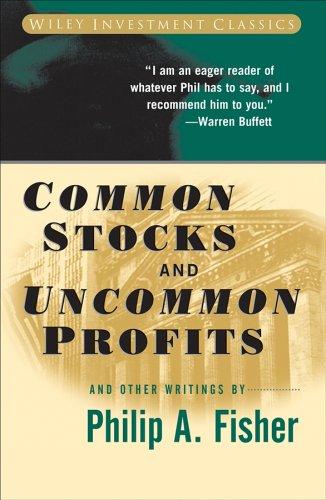
Philip Fisher's approach — scrutinizing management quality, competitive position, and long-term growth potential — became the other half of Buffett's investing framework. Buffett has said he is '85% Graham, 15% Fisher,' and this is the book behind the Fisher portion.
-
Read these with Superbook
Chat with any book on this list — ask questions, get answers tuned to you.
-
04
Business Adventures: Twelve Classic Tales from the World of Wall Street
John Brooks
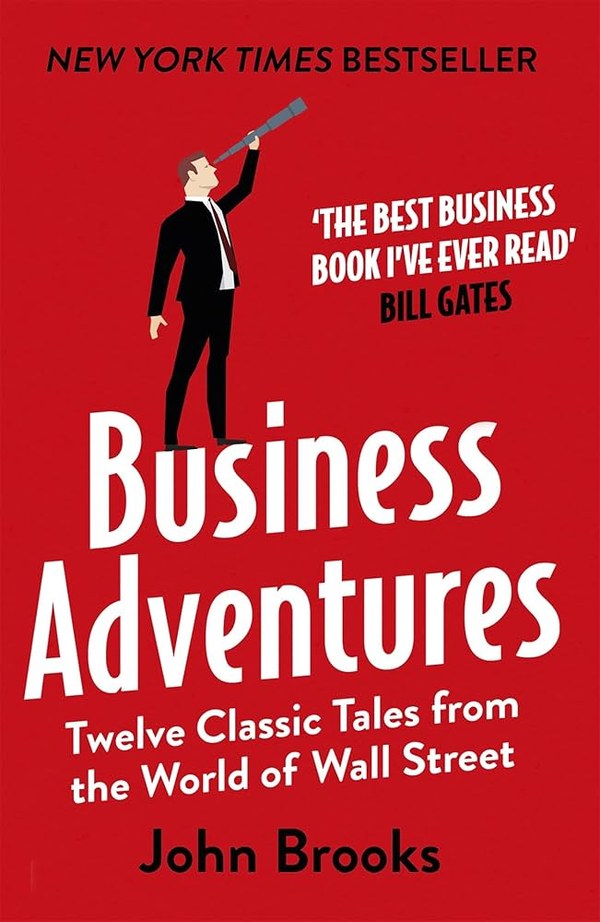
Buffett gave his personal copy to Bill Gates in 1991, calling it his favorite business book. John Brooks's twelve New Yorker stories from the 1960s read as case studies in corporate decision-making, panic, hubris, and the unpredictability of markets.
-
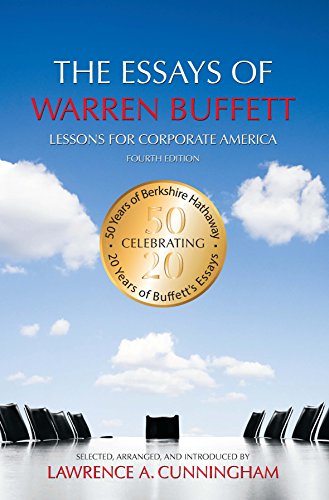
05
Warren Buffett
Lawrence Cunningham's thematic compilation of Buffett's Berkshire shareholder letters, organized by topic. Buffett has endorsed it as the most accurate single-volume distillation of how he thinks about businesses, capital allocation, and corporate governance.
-
06
Charlie Munger
Charlie Munger's collected speeches and writing, edited by Peter Kaufman. Buffett has credited Munger's mental-models framework — the idea of using multiple disciplines to avoid the errors any single lens produces — with upgrading his own thinking substantially.
-
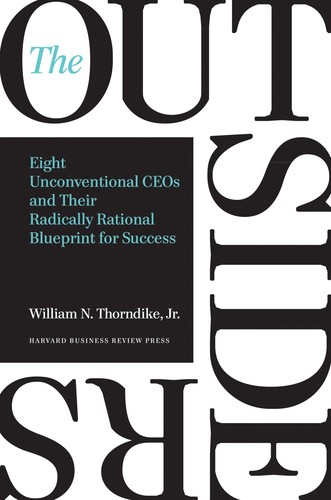
07
The Outsiders: Eight Unconventional CEOs and Their Radically Rational Blueprint for Success
William N. Thorndike
William Thorndike's study of eight CEOs who dramatically outperformed the S&P 500 by treating capital allocation as their primary job. Buffett wrote the foreword and has recommended it repeatedly, describing it as a model for how to think about management quality.
-
08
Where Are the Customers' Yachts?
Fred Schwed Jr.
Fred Schwed's 1940 satire of Wall Street has been one of Buffett's go-to recommendations for anyone entering finance. He has praised it for its accuracy about the conflicts of interest baked into the industry, decades before anyone used the phrase 'alignment of incentives.'
-
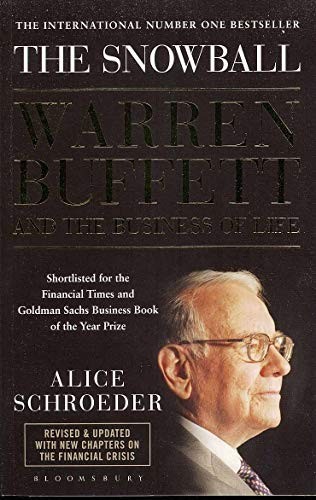
09
The Snowball: Warren Buffett and the Business of Life
Alice Schroeder
Alice Schroeder's authorized biography, drawn from hundreds of hours of interviews. Buffett granted Schroeder access he has given no other biographer, and the book contains the most detailed account available of how his thinking evolved from Graham-era bargain hunting to the quality-focused approach Berkshire became known for.
-
10
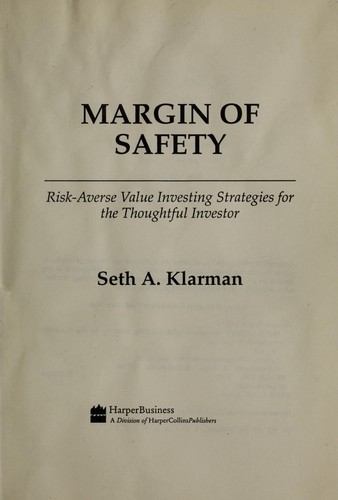
Seth Klarman
Seth Klarman's out-of-print treatise on risk-averse value investing. Buffett has praised it for its intellectual honesty about the difficulty of the craft and its insistence on preserving capital before pursuing returns. Copies trade for hundreds of dollars on the secondhand market.
-
11
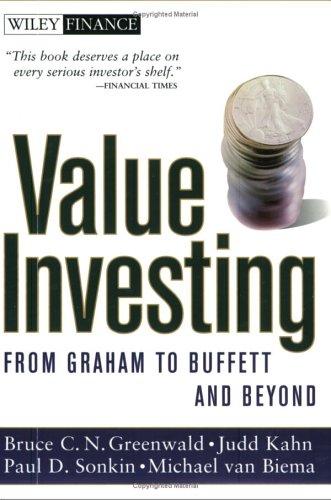
Value Investing: From Graham to Buffett and Beyond
Bruce Greenwald
Bruce Greenwald's Columbia Business School textbook, which Buffett has spoken warmly of. It bridges the Graham tradition and modern competitive analysis, framing valuation as an application of economics rather than pure accounting.
-
12
The Autobiography of Benjamin Franklin
Benjamin Franklin
Buffett has recommended Franklin's autobiography many times across interviews and letters, citing Franklin's self-improvement program, his frugality, and his approach to reputation as early influences. It is one of the few non-finance books he returns to in public recommendations.


More on Warren Buffett's picks
Buffett has said he reads 500 pages a day and has been doing so for most of his adult life, but his recommended reading list is surprisingly compact. The books he returns to — and presses on others — cluster around a few ideas: that markets misprice businesses in the short run, that the character of a company's management matters enormously, and that the most durable competitive advantages compound quietly over time.
The list began with Graham. The Intelligent Investor arrived in Buffett's hands at nineteen and, by his own account, changed the course of his life. Security Analysis followed — denser, more technical, the academic foundation beneath the popular book. From there the list branches into business biography: Buffett is a voracious reader of how companies are actually built and run, which is where titles like Business Adventures and The Outsiders come in. He admires managers who think like owners, resist Wall Street consensus, and deploy capital with unusual patience.
Two books sit slightly apart from the rest. Where Are the Customers' Yachts? is the cynical corrective, the reminder that most financial advice serves the adviser. Poor Charlie's Almanack is the closest thing to a second voice on the list — Munger's mental-models framework became the upgrade that moved Buffett from buying cheap companies to buying great ones at fair prices.
Read in order, the list traces an intellectual arc: from valuation mechanics, through business biography, to a broader theory of judgment and decision-making under uncertainty.
