Psychology · Similar reads
Books like 100 Things Every Designer Needs to Know About People
The best books like 100 Things Every Designer Needs to Know About People are The Design of Everyday Things, Designing Design, and Concerning the Spiritual in Art. 100 Things Every Designer Needs to Know About People by Susan Weinschenk is about psychology of perception, user experience, cognitive science. If that's what drew you in, here are 12 books that share its DNA — each summarized on Superbook, and ready to chat with in the app.
- The Design of Everyday Things
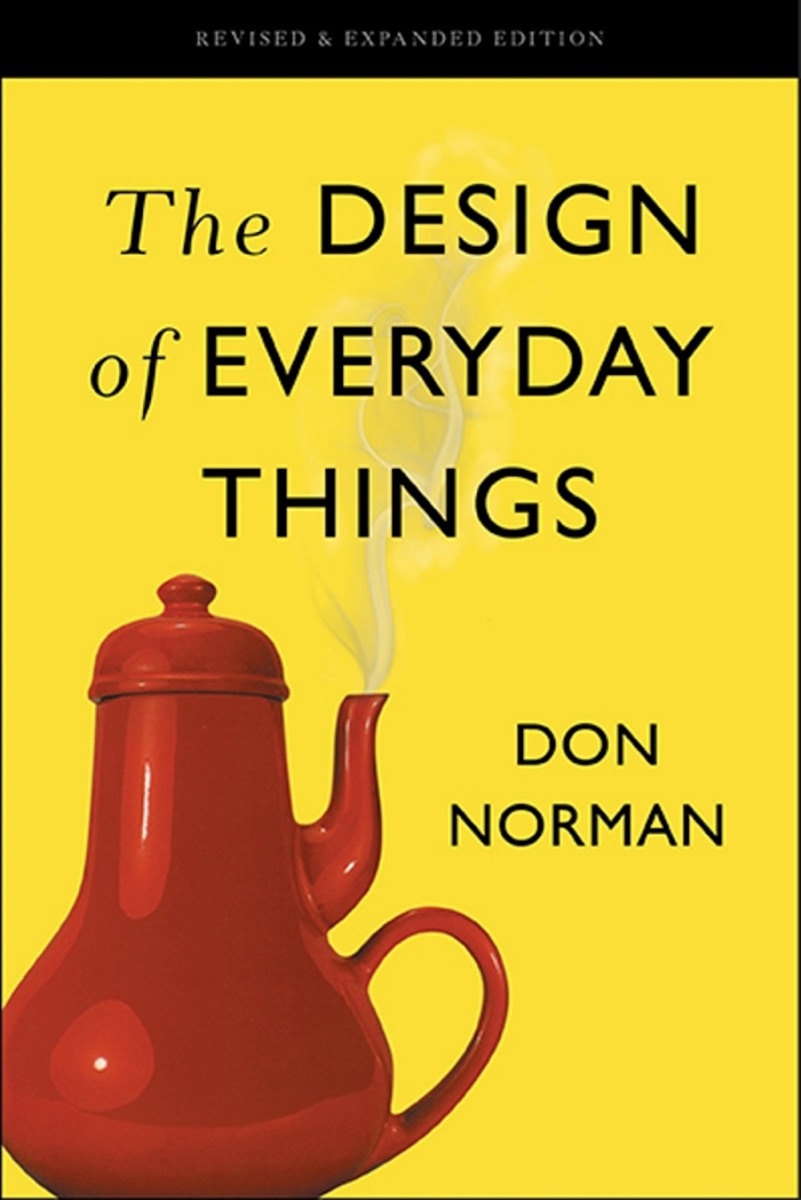
01
Donald Norman · Psychology
The Design of Everyday Things began as The Psychology of Everyday Things when first published in 1988, and Donald Norman revised it substantially for a 2013 edition that updated the examples for a digital age.
A kindred psychology read.
Read the summary → - Designing Design
02
Kenya Hara · Philosophy
Kenya Hara is one of Japan's most respected graphic designers, best known for his long association with Muji, and Designing Design is his attempt to articulate what design actually is — and, more specifically, what distinguishes a distinctly Japanese approach from the Western design tradition.
A kindred psychology read.
Read the summary → - Concerning the Spiritual in Art
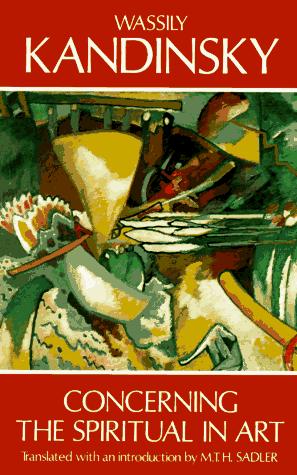
03
Concerning the Spiritual in Art
Wassily Kandinsky · Philosophy
Wassily Kandinsky's 1911 manifesto is the founding document of abstract art.
A kindred psychology read.
Read the summary →
- Emotional Intelligence
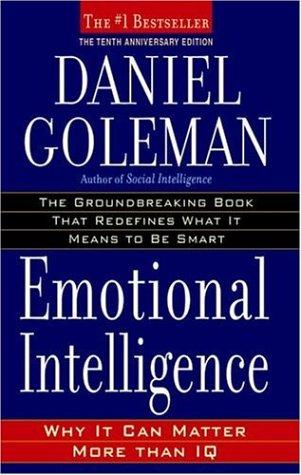
04
Daniel Goleman · Psychology
Daniel Goleman's Emotional Intelligence, published in 1995, made a widely influential argument: that the cluster of abilities involved in managing emotions — self-awareness, self-regulation, empathy, and social skill — predicts life outcomes at least as well as IQ, and possibly better in many domains.
A kindred psychology read.
Read the summary → - Laws of UX
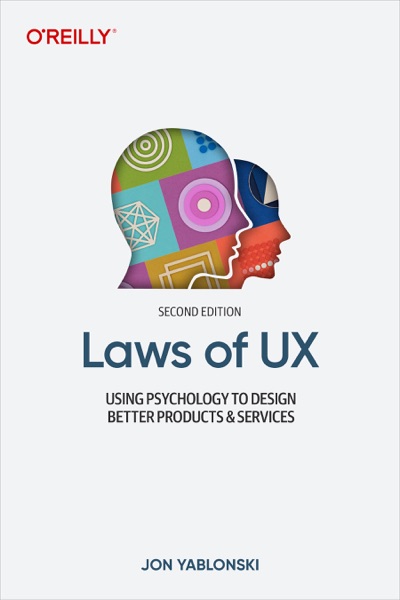
05
Jon Yablonski · Science
Laws of UX is Jon Yablonski's collection of ten principles drawn from psychology and cognitive science that bear directly on user interface design.
Shares user experience and cognitive science with 100 Things Every Designer Needs to Know About People.
Read the summary → - Algorithms to Live By: The Computer Science of Human Decisions
06
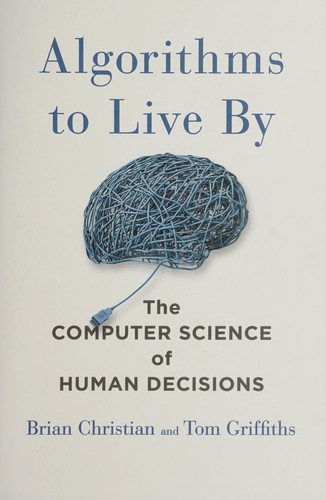
Algorithms to Live By: The Computer Science of Human Decisions
Brian Christian and Tom Griffiths · Psychology
Brian Christian is a writer and Tom Griffiths is a cognitive scientist, and together they argue that computer science has worked out rigorous solutions to many of the problems humans face every day — when to stop searching for a better option, how to manage your schedule, how to sort your memory — and that these solutions are both interesting and useful.
Both dig into cognitive science.
Read the summary → - Strangers to Ourselves: Discovering the Adaptive Unconscious
07
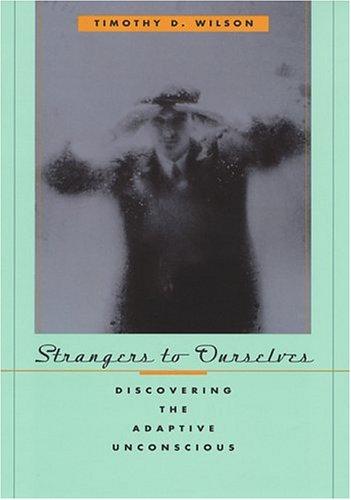
Strangers to Ourselves: Discovering the Adaptive Unconscious
Timothy D. Wilson · Psychology
Timothy Wilson's central argument is uncomfortable: we don't know ourselves as well as we think we do.
Both dig into behavior.
Read the summary → - The Time Paradox
08
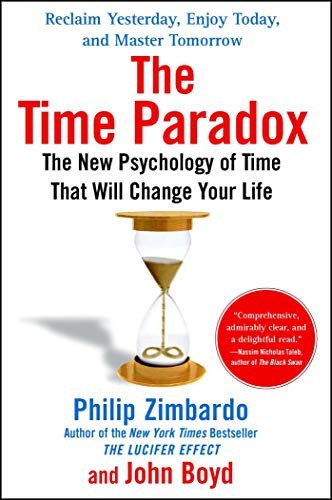
Philip Zimbardo and John Boyd · Psychology
The Time Paradox is built on a single, counterintuitive claim: that the most powerful force shaping your decisions is not your values, your personality, or your intelligence — it's your habitual time perspective.
Both dig into behavior.
Read the summary → - Are We Smart Enough to Know How Smart Animals Are?
09
Are We Smart Enough to Know How Smart Animals Are?
Frans de Waal · Science
Frans de Waal's central argument is that we've spent most of the last century asking the wrong questions about animal intelligence.
Both dig into behavior.
Read the summary → - Learn Like a Pro
10
Barbara Oakley and Olav Schewe · Self-help
Learn Like a Pro is a concise, evidence-based guide to studying more effectively, written by Barbara Oakley — the engineer-turned-neuroscientist best known for A Mind for Numbers and the Coursera course "Learning How to Learn" — and Olav Schewe, a student learning consultant.
Both dig into cognitive science.
Read the summary → - Make It Stick
11
Peter C. Brown, Henry L. Roediger and Mark A. McDaniel · Science
Make It Stick is a book about how memory actually works, and why the study techniques most people rely on — re-reading, highlighting, massed practice — are among the least effective ways to learn.
Both dig into cognitive science.
Read the summary → - The Jobs To Be Done Playbook
12
Jim Kalbach · Business
Jim Kalbach's The Jobs To Be Done Playbook is a practitioner's guide to applying the jobs-to-be-done framework in product development and innovation work.
Both dig into user experience.
Read the summary →
Books like 100 Things Every Designer Needs to Know About People: quick answers
What are the best books like 100 Things Every Designer Needs to Know About People?
The best books like 100 Things Every Designer Needs to Know About People by Susan Weinschenk are The Design of Everyday Things by Donald Norman, Designing Design by Kenya Hara, Concerning the Spiritual in Art by Wassily Kandinsky, Emotional Intelligence by Daniel Goleman, Laws of UX by Jon Yablonski, plus 7 more below. Each was chosen for themes it shares with 100 Things Every Designer Needs to Know About People, such as psychology of perception, user experience, cognitive science.
What should I read after 100 Things Every Designer Needs to Know About People?
A natural next read after 100 Things Every Designer Needs to Know About People is The Design of Everyday Things by Donald Norman. A kindred psychology read. Other strong choices are Designing Design by Kenya Hara, Concerning the Spiritual in Art by Wassily Kandinsky, Emotional Intelligence by Daniel Goleman.
What books are similar to 100 Things Every Designer Needs to Know About People by Susan Weinschenk?
100 Things Every Designer Needs to Know About People centers on psychology of perception, user experience, cognitive science. Books with a similar feel include The Design of Everyday Things by Donald Norman, Designing Design by Kenya Hara, Concerning the Spiritual in Art by Wassily Kandinsky, Emotional Intelligence by Daniel Goleman, Laws of UX by Jon Yablonski, Algorithms to Live By: The Computer Science of Human Decisions by Brian Christian and Tom Griffiths — all free to read and chat with on Superbook.
