Health · Similar reads
Books like Brain Energy
The best books like Brain Energy are The Body Keeps the Score, Lifespan: Why We Age—and Why We Don't Have To, and The Brain That Changes Itself. Brain Energy by Christopher M. Palmer is about mental illness, metabolism, mitochondria. If that's what drew you in, here are 12 books that share its DNA — each summarized on Superbook, and ready to chat with in the app.
- The Body Keeps the Score
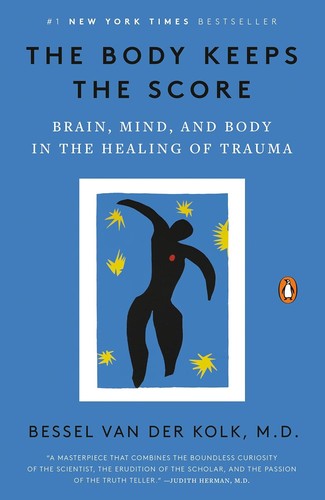
01
Bessel van der Kolk · Psychology
The Body Keeps the Score is Bessel van der Kolk's account of four decades spent studying and treating trauma, from Vietnam veterans at the VA in the 1970s to survivors of childhood abuse, accidents, and domestic violence.
A kindred health read.
Read the summary → - Lifespan: Why We Age—and Why We Don't Have To
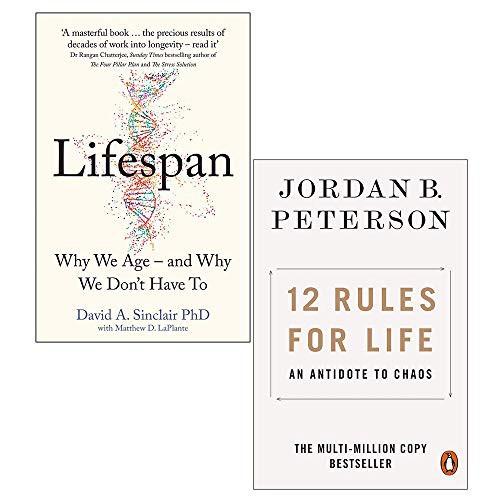
02
Lifespan: Why We Age—and Why We Don't Have To
David A. Sinclair · Science
Lifespan opens with a bold claim: aging is not an inevitable feature of biology but a disease — one that can be treated, slowed, and possibly reversed.
A kindred health read.
Read the summary → - The Brain That Changes Itself
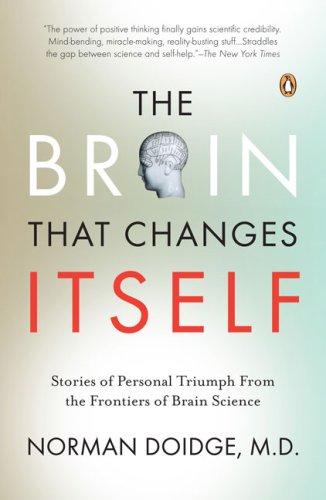
03
Norman Doidge · Psychology
Norman Doidge is a Canadian psychiatrist who traveled to interview the scientists and patients at the frontier of neuroplasticity research in the mid-2000s.
A kindred health read.
Read the summary →
- The Case Against Sugar
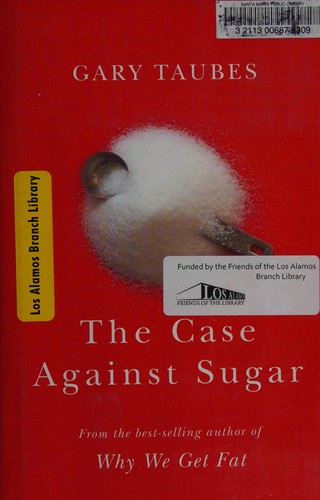
04
Gary Taubes · Health
The Case Against Sugar is Gary Taubes's focused argument that sugar — sucrose and high-fructose corn syrup specifically — is the primary cause of the obesity and diabetes epidemics, and the likely driver of the cluster of diseases, from heart disease to Alzheimer's, that researchers now associate with insulin resistance and metabolic syndrome.
A kindred health read.
Read the summary → - Being Mortal: Medicine and What Matters in the End
05
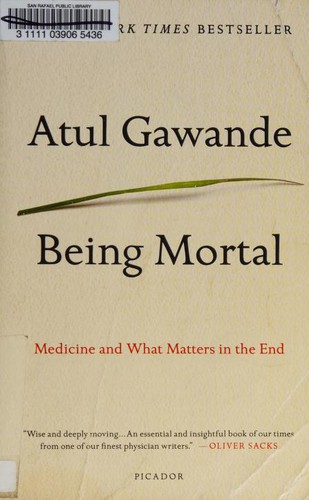
Being Mortal: Medicine and What Matters in the End
Atul Gawande · Health
Being Mortal is Atul Gawande's investigation into why modern medicine is so bad at helping people die well.
A kindred health read.
Read the summary → - Anatomy of an Epidemic
06
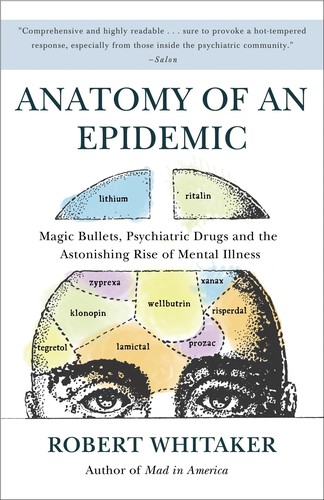
Robert Whitaker · Health
Anatomy of an Epidemic is Robert Whitaker's investigation into a paradox: as the use of psychiatric medication in the United States has increased dramatically over the past half-century, the number of people on disability due to mental illness has risen in parallel.
Shares mental illness and psychiatry with Brain Energy.
Read the summary → - The Psychopath Test
07
Jon Ronson · Psychology
Jon Ronson is a journalist who starts investigating a strange series of anonymous books sent to academics around the world, and ends up spending a year exploring psychopathy, the Hare Psychopathy Checklist, and the question of whether the diagnostic categories psychiatry uses are tools for understanding people or labels that do damage of their own.
Shares mental illness and psychiatry with Brain Energy.
Read the summary → - The Circadian Code
08
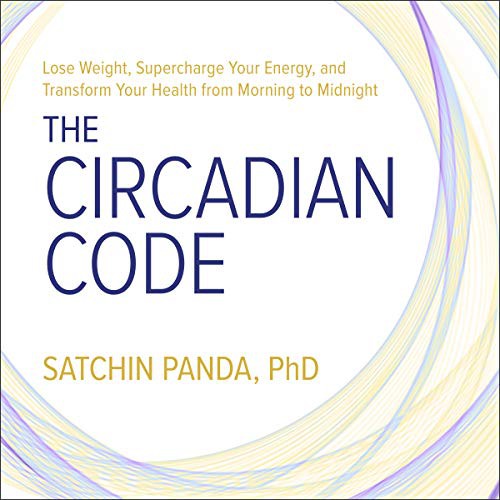
Satchin Panda · Health
Satchin Panda is a professor at the Salk Institute and one of the leading researchers in circadian biology — the science of how biological processes in every cell follow a roughly 24-hour clock.
Both dig into metabolism.
Read the summary → - The Noonday Demon
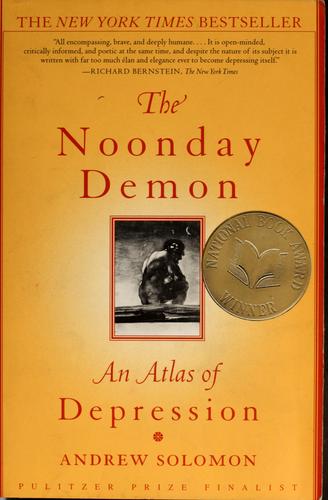
09
Andrew Solomon · Health
The Noonday Demon is Andrew Solomon's exhaustive, literary account of depression — his own experience of it, its science and treatment history, its cultural and political dimensions, and the lives of people living with it across the world.
Both dig into psychiatry.
Read the summary → - A Beautiful Mind
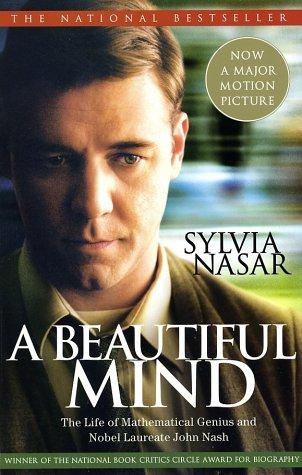
10
Sylvia Nasar · Biography
Sylvia Nasar's biography of the mathematician John Nash — Nobel laureate, game theory pioneer, and paranoid schizophrenic — is one of the finest accounts of genius and mental illness in biographical literature.
Both dig into mental illness.
Read the summary → - Good Reasons for Bad Feelings: Insights from the Frontier of Evolutionary Psychiatry

11
Good Reasons for Bad Feelings: Insights from the Frontier of Evolutionary Psychiatry
Randolph M. Nesse · Psychology
Randolph Nesse spent forty years as a psychiatrist and evolutionary biologist asking a question most of his colleagues found strange: why did natural selection leave us so vulnerable to anxiety, depression, and other forms of suffering?
Both dig into psychiatry.
Read the summary → - Norwegian Wood

12
Haruki Murakami · Literary fiction
Norwegian Wood is Murakami's most straightforwardly realist novel and his most personal — a coming-of-age story set in late 1960s Tokyo, narrated by Toru Watanabe, who is recalling the year he was nineteen and the two women who shaped him.
Both dig into mental illness.
Read the summary →
Books like Brain Energy: quick answers
What are the best books like Brain Energy?
The best books like Brain Energy by Christopher M. Palmer are The Body Keeps the Score by Bessel van der Kolk, Lifespan: Why We Age—and Why We Don't Have To by David A. Sinclair, The Brain That Changes Itself by Norman Doidge, The Case Against Sugar by Gary Taubes, Being Mortal: Medicine and What Matters in the End by Atul Gawande, plus 7 more below. Each was chosen for themes it shares with Brain Energy, such as mental illness, metabolism, mitochondria.
What should I read after Brain Energy?
A natural next read after Brain Energy is The Body Keeps the Score by Bessel van der Kolk. A kindred health read. Other strong choices are Lifespan: Why We Age—and Why We Don't Have To by David A. Sinclair, The Brain That Changes Itself by Norman Doidge, The Case Against Sugar by Gary Taubes.
What books are similar to Brain Energy by Christopher M. Palmer?
Brain Energy centers on mental illness, metabolism, mitochondria. Books with a similar feel include The Body Keeps the Score by Bessel van der Kolk, Lifespan: Why We Age—and Why We Don't Have To by David A. Sinclair, The Brain That Changes Itself by Norman Doidge, The Case Against Sugar by Gary Taubes, Being Mortal: Medicine and What Matters in the End by Atul Gawande, Anatomy of an Epidemic by Robert Whitaker — all free to read and chat with on Superbook.
