Philosophy · Similar reads
Books like Complexity and Contradiction in Architecture
The best books like Complexity and Contradiction in Architecture are The Design of Everyday Things, Seeing Is Forgetting the Name of the Thing One Sees, and Zen and the Art of Motorcycle Maintenance. Complexity and Contradiction in Architecture by Robert Venturi is about architectural theory, postmodernism, historicism. If that's what drew you in, here are 12 books that share its DNA — each summarized on Superbook, and ready to chat with in the app.
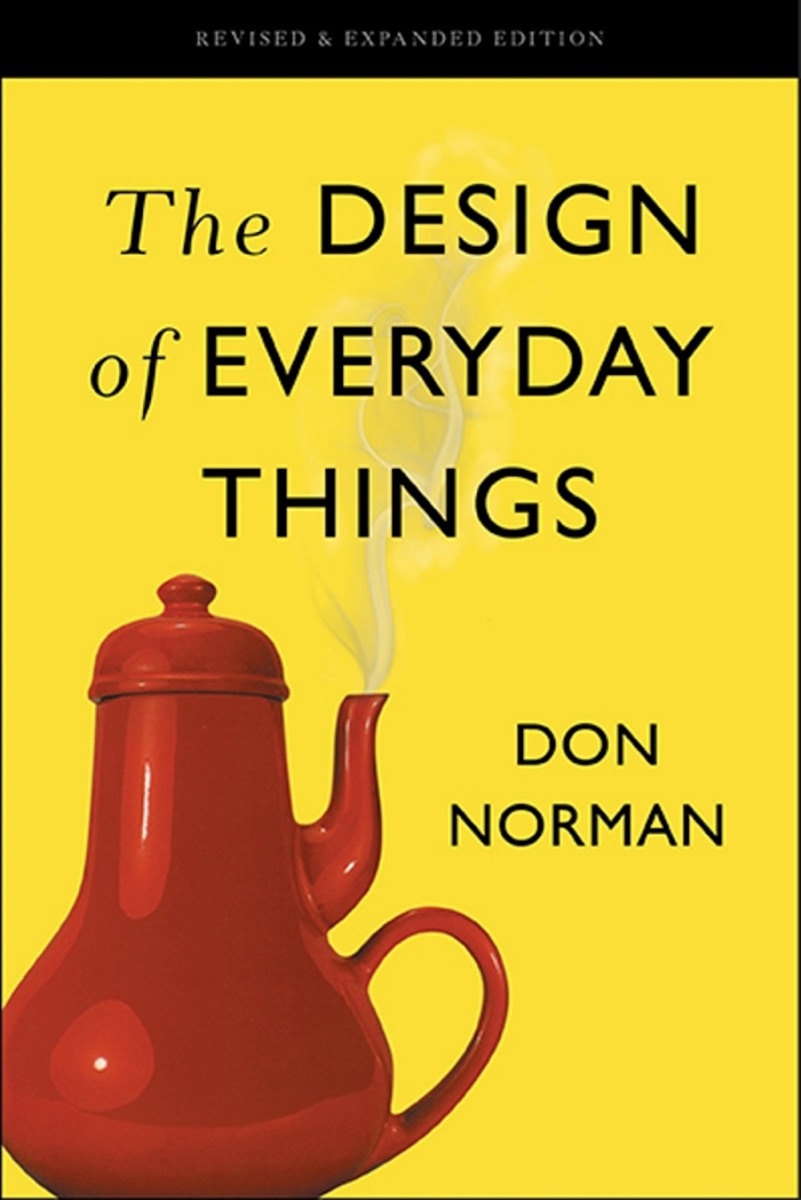
- The Design of Everyday Things
01
Donald Norman · Psychology
The Design of Everyday Things began as The Psychology of Everyday Things when first published in 1988, and Donald Norman revised it substantially for a 2013 edition that updated the examples for a digital age.
A kindred philosophy read.
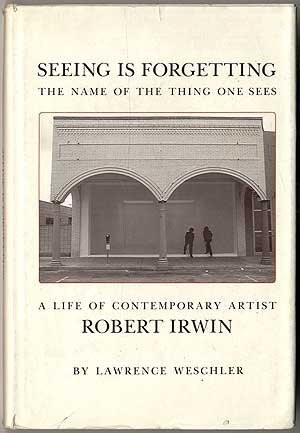
Read the summary → - Seeing Is Forgetting the Name of the Thing One Sees
02
Seeing Is Forgetting the Name of the Thing One Sees
Lawrence Weschler · Biography
Seeing Is Forgetting the Name of the Thing One Sees is Lawrence Weschler's extended portrait of Robert Irwin, the California artist who began his career as an abstract expressionist painter and progressively dismantled every element of conventional art-making — frame, canvas, pigment, discrete object — until he was working with pure perception itself.
A kindred philosophy read.
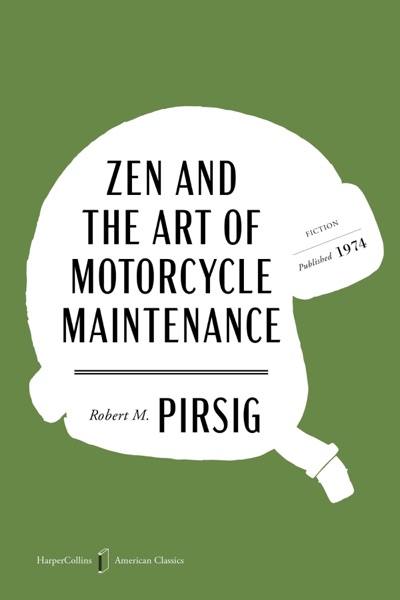
Read the summary → - Zen and the Art of Motorcycle Maintenance
03
Zen and the Art of Motorcycle Maintenance
Robert Pirsig · Philosophy
Robert Pirsig's 1974 book is structured as a cross-country motorcycle journey from Minnesota to California, narrated by a father traveling with his young son Chris.
A kindred philosophy read.
Read the summary →
- The Creative Habit
04
Twyla Tharp · Self-help
The Creative Habit is legendary choreographer Twyla Tharp's account of how creativity works in practice — not as inspiration but as habit, discipline, and preparation.
A kindred philosophy read.
Read the summary → - Antifragile: Things That Gain from Disorder
05
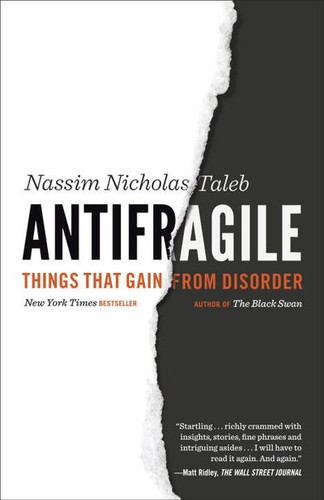
Antifragile: Things That Gain from Disorder
Nassim Nicholas Taleb · Philosophy
Antifragile is Nassim Nicholas Taleb's argument that the opposite of fragile is not robust or resilient — it is antifragile.
Both dig into complexity.
Read the summary → - Natural Right and History
06
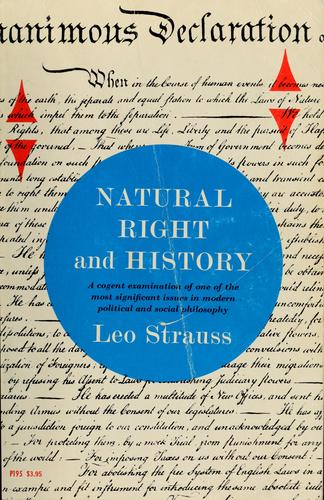
Leo Strauss · Philosophy
Natural Right and History is Leo Strauss's sustained argument that the modern rejection of natural right — the idea that there is a standard of justice discoverable by reason, independent of convention and history — represents a profound intellectual and political crisis.
Both dig into historicism.
Read the summary → - Chaos: Making a New Science
07
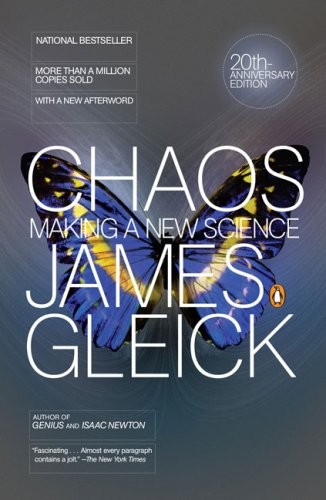
James Gleick · Science
Chaos: Making a New Science, published in 1987, tells the story of how a loose network of scientists working across meteorology, mathematics, biology, and physics in the 1960s and 1970s developed chaos theory — the study of systems that are deterministic but unpredictable because tiny differences in initial conditions produce wildly different outcomes.
Both dig into complexity.
Read the summary → - Climbing Mount Improbable
08
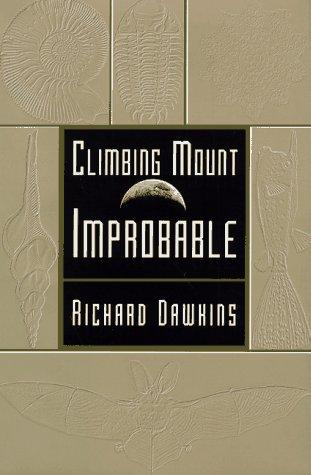
Richard Dawkins · Science
Climbing Mount Improbable is Richard Dawkins's response to the persistent intuition that complex biological structures — the vertebrate eye, insect wings, spider webs — are too improbable to have evolved by chance.
Both dig into complexity.
Read the summary → - Scale
09
Geoffrey West · Science
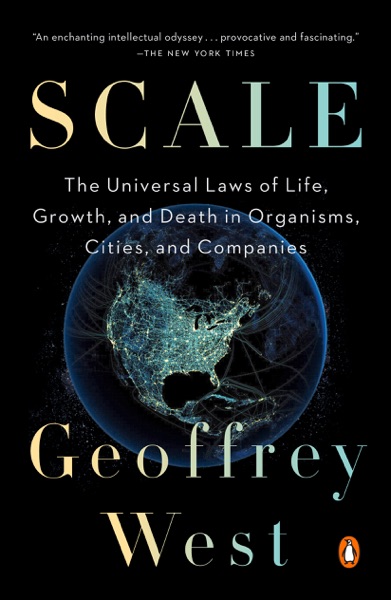
Geoffrey West is a theoretical physicist who spent decades at Los Alamos and the Santa Fe Institute studying whether there are mathematical laws underlying all complex systems — organisms, cities, companies — and finding that the answer appears to be yes.
Both dig into complexity.
Read the summary → - Team of Teams
10
Stanley McChrystal · Business
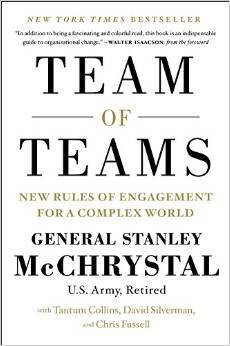
Team of Teams is General Stanley McChrystal's account of how he restructured the Joint Special Operations Task Force in Iraq to fight an enemy — Al-Qaeda in Iraq — that was organized in ways the conventional military hierarchy was too slow to counter.
Both dig into complexity.
Read the summary → - The Blind Watchmaker
11
Richard Dawkins · Science
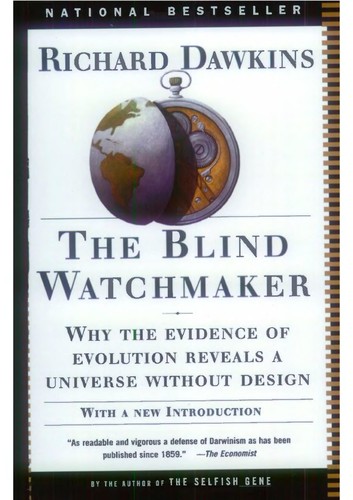
The Blind Watchmaker is Richard Dawkins's argument that natural selection — cumulative, non-random selection acting on random variation — is sufficient to explain the apparent design in biological organisms.
Both dig into complexity.
Read the summary → - The Checklist Manifesto
12
Atul Gawande · Health
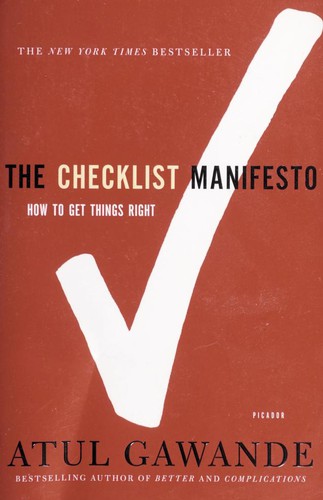
The Checklist Manifesto is Atul Gawande's argument that the single most underused tool for preventing catastrophic failure in complex fields is also the simplest: a well-designed checklist.
Both dig into complexity.
Read the summary →
Books like Complexity and Contradiction in Architecture: quick answers
What are the best books like Complexity and Contradiction in Architecture?
The best books like Complexity and Contradiction in Architecture by Robert Venturi are The Design of Everyday Things by Donald Norman, Seeing Is Forgetting the Name of the Thing One Sees by Lawrence Weschler, Zen and the Art of Motorcycle Maintenance by Robert Pirsig, The Creative Habit by Twyla Tharp, Antifragile: Things That Gain from Disorder by Nassim Nicholas Taleb, plus 7 more below. Each was chosen for themes it shares with Complexity and Contradiction in Architecture, such as architectural theory, postmodernism, historicism.
What should I read after Complexity and Contradiction in Architecture?
A natural next read after Complexity and Contradiction in Architecture is The Design of Everyday Things by Donald Norman. A kindred philosophy read. Other strong choices are Seeing Is Forgetting the Name of the Thing One Sees by Lawrence Weschler, Zen and the Art of Motorcycle Maintenance by Robert Pirsig, The Creative Habit by Twyla Tharp.
What books are similar to Complexity and Contradiction in Architecture by Robert Venturi?
Complexity and Contradiction in Architecture centers on architectural theory, postmodernism, historicism. Books with a similar feel include The Design of Everyday Things by Donald Norman, Seeing Is Forgetting the Name of the Thing One Sees by Lawrence Weschler, Zen and the Art of Motorcycle Maintenance by Robert Pirsig, The Creative Habit by Twyla Tharp, Antifragile: Things That Gain from Disorder by Nassim Nicholas Taleb, Natural Right and History by Leo Strauss — all free to read and chat with on Superbook.
