Science · Similar reads
Books like How Buildings Learn
The best books like How Buildings Learn are The Design of Everyday Things, The Clock of the Long Now, and Thinking in Systems. How Buildings Learn by Stewart Brand is about architecture, adaptation, systems thinking. If that's what drew you in, here are 12 books that share its DNA — each summarized on Superbook, and ready to chat with in the app.
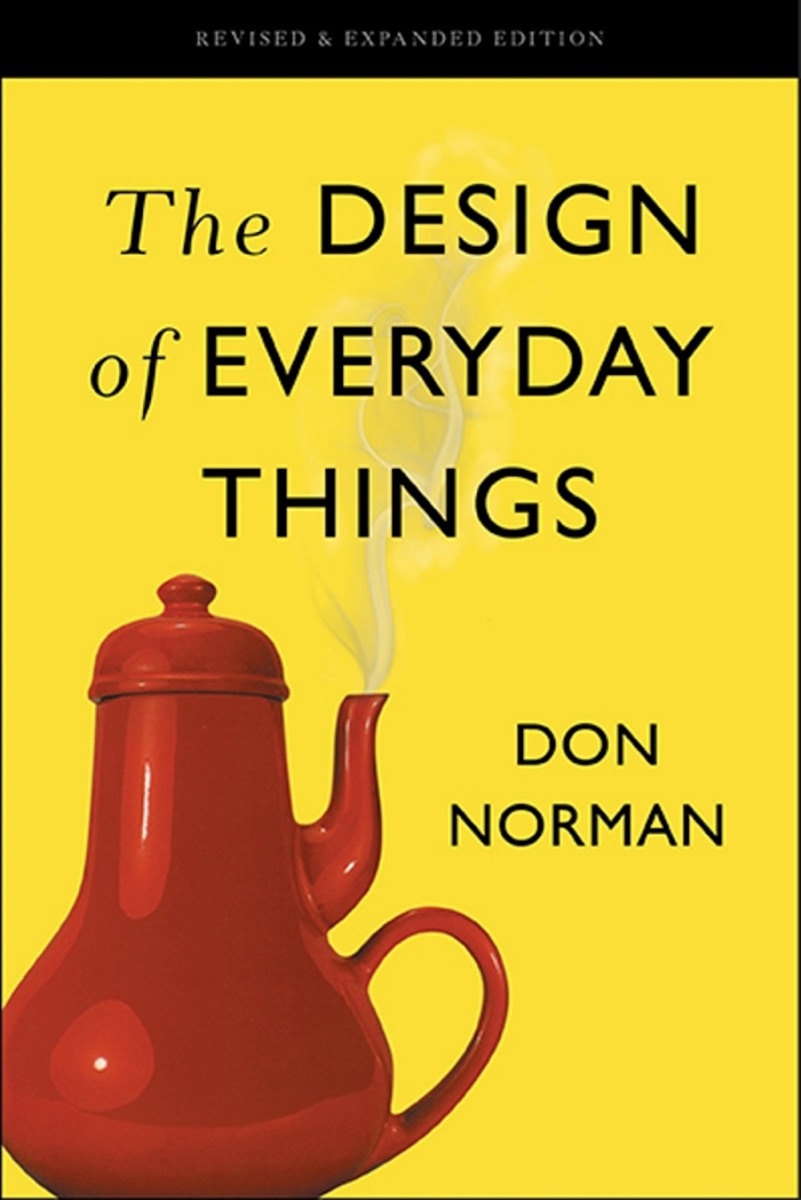
- The Design of Everyday Things
01
Donald Norman · Psychology
The Design of Everyday Things began as The Psychology of Everyday Things when first published in 1988, and Donald Norman revised it substantially for a 2013 edition that updated the examples for a digital age.
Both dig into design.
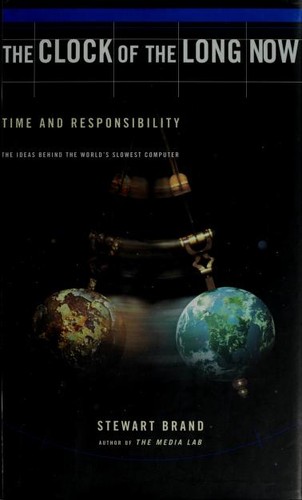
Read the summary → - The Clock of the Long Now
02
Stewart Brand · Philosophy
The Clock of the Long Now is Stewart Brand's case for thinking at a civilizational scale rather than a quarterly one.
A kindred science read.
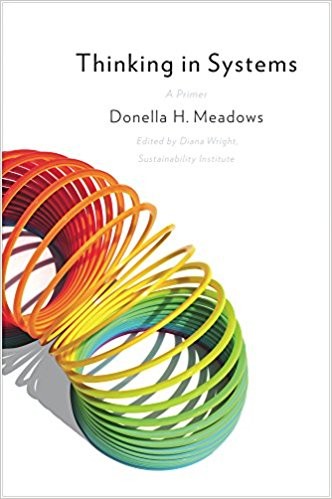
Read the summary → - Thinking in Systems
03
Donella H. Meadows · Science
Thinking in Systems is Donella Meadows's introduction to the discipline of systems thinking — a way of understanding why complex things behave the way they do.
Both dig into systems thinking.
Read the summary →
- The Timeless Way of Building

04
Christopher Alexander · Philosophy
Christopher Alexander's The Timeless Way of Building is a strange and ambitious book.
Shares architecture and design with How Buildings Learn.
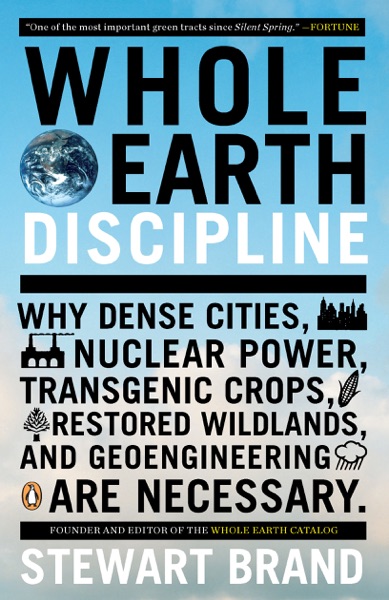
Read the summary → - Whole Earth Discipline
05
Stewart Brand · Science
Whole Earth Discipline is Stewart Brand's argument that the environmental movement needs to update its orthodoxies in light of climate change and the actual evidence on the technologies it has historically opposed.
A kindred science read.
Read the summary → - A Pattern Language
06
Christopher Alexander · Science
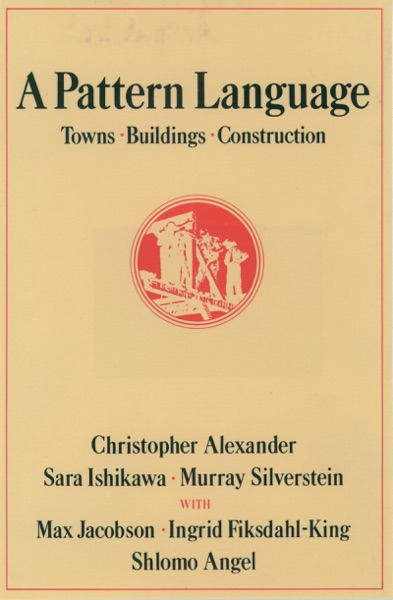
A Pattern Language is an extraordinary attempt to describe, in systematic form, the conditions that make human habitats feel alive.
Both dig into architecture.
Read the summary → - Climbing Mount Improbable
07
Richard Dawkins · Science
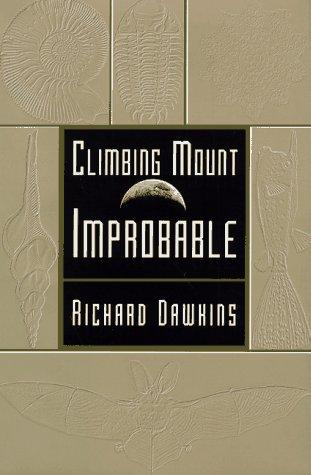
Climbing Mount Improbable is Richard Dawkins's response to the persistent intuition that complex biological structures — the vertebrate eye, insect wings, spider webs — are too improbable to have evolved by chance.
Both dig into adaptation.
Read the summary → - Cradle to Cradle: Remaking the Way We Make Things
08
Cradle to Cradle: Remaking the Way We Make Things
William McDonough & Michael Braungart · Science
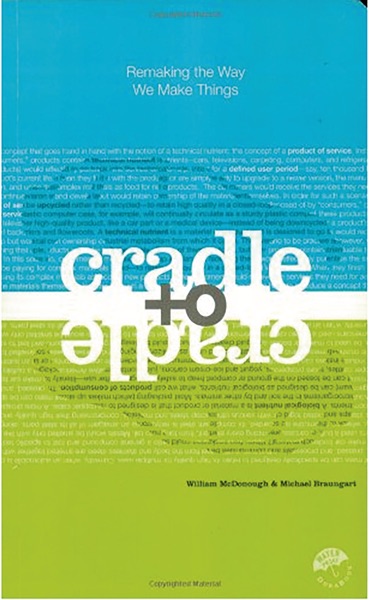
Cradle to Cradle is William McDonough and Michael Braungart's argument that the conventional approach to environmentalism — reducing, reusing, recycling, being "less bad" — is insufficient and in some ways misleading.
Both dig into design.
Read the summary → - Livewired: The Inside Story of the Ever-Changing Brain

09
Livewired: The Inside Story of the Ever-Changing Brain
David Eagleman · Science
David Eagleman's argument is that "hardwired" is the wrong metaphor for the brain.
Both dig into adaptation.
Read the summary → - On the Origin of Species
10
Charles Darwin · Science
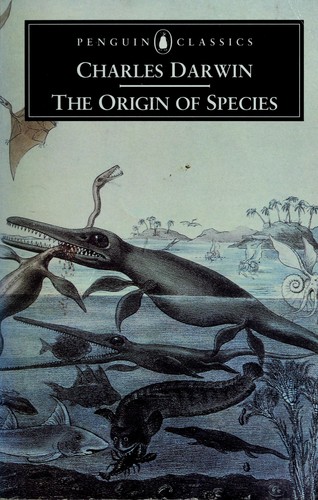
On the Origin of Species, published in 1859, is the book in which Charles Darwin presented the theory of evolution by natural selection to the general reading public.
Both dig into adaptation.
Read the summary → - The Blind Watchmaker
11
Richard Dawkins · Science
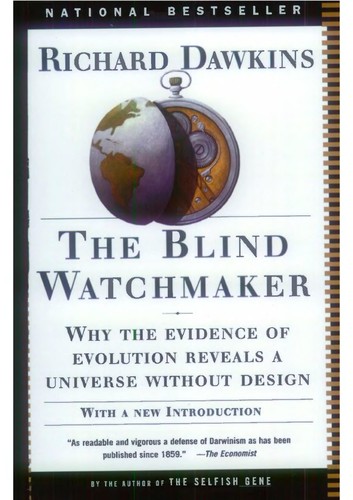
The Blind Watchmaker is Richard Dawkins's argument that natural selection — cumulative, non-random selection acting on random variation — is sufficient to explain the apparent design in biological organisms.
Both dig into adaptation.
Read the summary → - The Elements of Typographic Style
12
The Elements of Typographic Style
Robert Bringhurst · Science
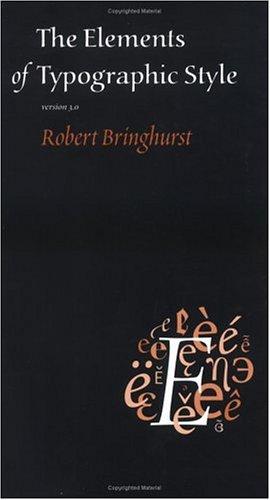
The Elements of Typographic Style is Robert Bringhurst's comprehensive treatment of typography as both craft and art.
Both dig into design.
Read the summary →
Books like How Buildings Learn: quick answers
What are the best books like How Buildings Learn?
The best books like How Buildings Learn by Stewart Brand are The Design of Everyday Things by Donald Norman, The Clock of the Long Now by Stewart Brand, Thinking in Systems by Donella H. Meadows, The Timeless Way of Building by Christopher Alexander, Whole Earth Discipline by Stewart Brand, plus 7 more below. Each was chosen for themes it shares with How Buildings Learn, such as architecture, adaptation, systems thinking.
What should I read after How Buildings Learn?
A natural next read after How Buildings Learn is The Design of Everyday Things by Donald Norman. Both dig into design. Other strong choices are The Clock of the Long Now by Stewart Brand, Thinking in Systems by Donella H. Meadows, The Timeless Way of Building by Christopher Alexander.
What books are similar to How Buildings Learn by Stewart Brand?
How Buildings Learn centers on architecture, adaptation, systems thinking. Books with a similar feel include The Design of Everyday Things by Donald Norman, The Clock of the Long Now by Stewart Brand, Thinking in Systems by Donella H. Meadows, The Timeless Way of Building by Christopher Alexander, Whole Earth Discipline by Stewart Brand, A Pattern Language by Christopher Alexander — all free to read and chat with on Superbook.
