Economics · Similar reads
Books like Manias, Panics, and Crashes
The best books like Manias, Panics, and Crashes are The Big Short: Inside the Doomsday Machine, The Black Swan: The Impact of the Highly Improbable, and Thinking, Fast and Slow. Manias, Panics, and Crashes by Charles P. Kindleberger is about financial crises, economic history, speculation. If that's what drew you in, here are 12 books that share its DNA — each summarized on Superbook, and ready to chat with in the app.
- The Big Short: Inside the Doomsday Machine
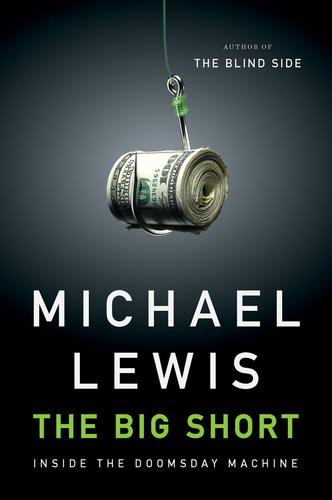
01
The Big Short: Inside the Doomsday Machine
Michael Lewis · Economics
The Big Short is Michael Lewis's account of the 2008 financial crisis as seen through the eyes of a handful of contrarians who saw the collapse coming, bet against the American housing market, and were right.
A kindred economics read.
Read the summary → - The Black Swan: The Impact of the Highly Improbable
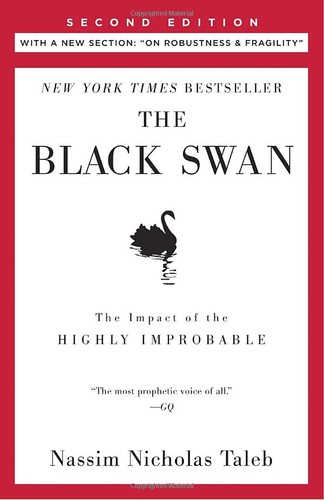
02
The Black Swan: The Impact of the Highly Improbable
Nassim Nicholas Taleb · Science
The Black Swan is Nassim Nicholas Taleb's argument that the most consequential events in history — financial crashes, technological breakthroughs, wars, pandemics — are not predictable outliers but structurally unpredictable ones.
A kindred economics read.
Read the summary → - Thinking, Fast and Slow
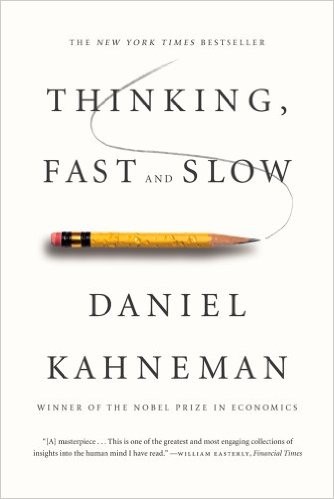
03
Daniel Kahneman · Psychology
Thinking, Fast and Slow is Daniel Kahneman's account of the two cognitive systems that govern human thought.
Both dig into behavioral economics.
Read the summary →
- A Random Walk Down Wall Street
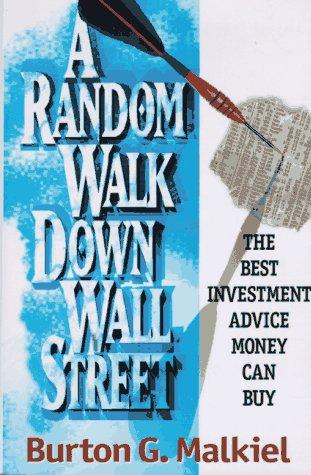
04
A Random Walk Down Wall Street
Burton G. Malkiel · Economics
A Random Walk Down Wall Street is Burton Malkiel's argument that stock prices move in a way that is effectively unpredictable, that professional fund managers cannot consistently beat the market, and that the rational response for most investors is to buy and hold a diversified index fund.
A kindred economics read.
Read the summary → - Fooled by Randomness
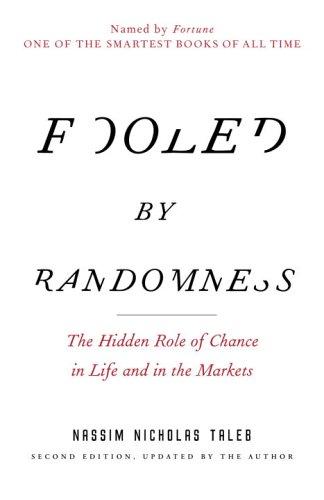
05
Nassim Nicholas Taleb · Psychology
Fooled by Randomness is Nassim Nicholas Taleb's argument that humans are wired to misread luck as skill, noise as signal, and random outcomes as the product of ability or effort.
A kindred economics read.
Read the summary → - A Short History of Financial Euphoria
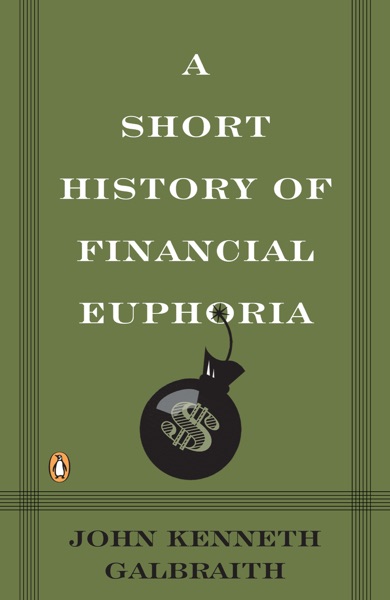
06
A Short History of Financial Euphoria
John Kenneth Galbraith · Economics
A Short History of Financial Euphoria is John Kenneth Galbraith's compressed account of speculative bubbles from the tulip mania of 1630s Holland through the 1987 US stock market crash.
Shares speculation and behavioral economics with Manias, Panics, and Crashes.
Read the summary → - The Great Transformation
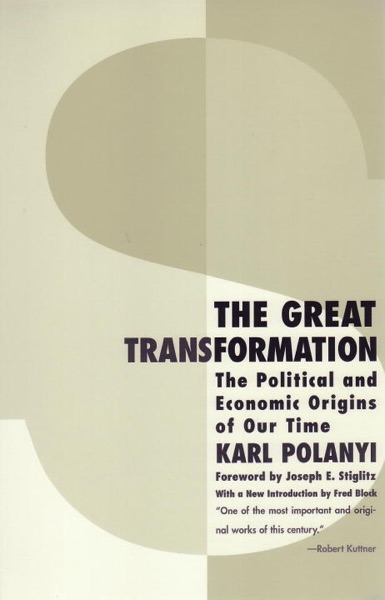
07
Karl Polanyi · Economics
The Great Transformation is Karl Polanyi's 1944 account of how a self-regulating market economy emerged in nineteenth-century England, what social catastrophe that emergence caused, and why the market society created its own political reaction.
Shares economic history and markets with Manias, Panics, and Crashes.
Read the summary → - Reminiscences of a Stock Operator
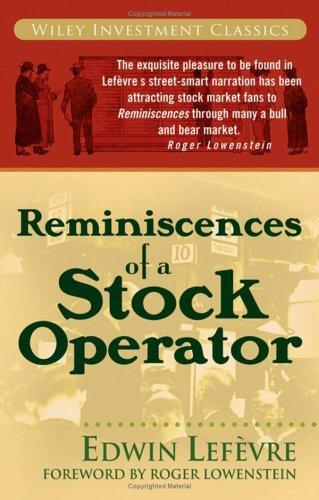
08
Reminiscences of a Stock Operator
Edwin Lefèvre · Biography
Reminiscences of a Stock Operator is a fictionalized biography of Jesse Livermore, the most famous speculator of the early twentieth century, told through the voice of "Larry Livingston." First published in 1923 as a series in the Saturday Evening Post, the book follows Livermore from his teenage years trading in bucket shops — illegal off-exchange betting parlors where customers wagered on price movements — through his multiple fortunes and bankruptcies on Wall Street.
Shares speculation and markets with Manias, Panics, and Crashes.
Read the summary → - More Money Than God
09
Sebastian Mallaby · Economics
Sebastian Mallaby's history of hedge funds begins with Alfred Winslow Jones, who in 1949 invented the basic structure that still defines the industry: borrow money to buy what you think will go up, sell short what you think will go down, take a 20 percent cut of the profits.
Both dig into markets.
Read the summary → - Nudge: Improving Decisions About Health, Wealth, and Happiness
10
Nudge: Improving Decisions About Health, Wealth, and Happiness
Richard H. Thaler and Cass R. Sunstein · Economics
Nudge is Richard Thaler and Cass Sunstein's argument that the way choices are presented — the default option, the order of items, the framing of a question — powerfully shapes what people decide, often more than their own stated preferences.
Both dig into behavioral economics.
Read the summary → - Panic: The Story of Modern Financial Insanity
11
Panic: The Story of Modern Financial Insanity
ed. Michael Lewis · Economics
Panic is an anthology edited by Michael Lewis, collecting journalism, essays, and firsthand accounts about five major financial crises from 1987 to 2007: the Black Monday crash, the emerging markets panics of the 1990s, the Long-Term Capital Management collapse, the dot-com bust, and the early signals of the subprime mortgage crisis.
Both dig into financial crises.
Read the summary → - Principles for Navigating Big Debt Crises
12
Principles for Navigating Big Debt Crises
Ray Dalio · Economics
Principles for Navigating Big Debt Crises is Ray Dalio's attempt to document a template for how major debt crises unfold and how policymakers can manage them.
Both dig into financial crises.
Read the summary →
Books like Manias, Panics, and Crashes: quick answers
What are the best books like Manias, Panics, and Crashes?
The best books like Manias, Panics, and Crashes by Charles P. Kindleberger are The Big Short: Inside the Doomsday Machine by Michael Lewis, The Black Swan: The Impact of the Highly Improbable by Nassim Nicholas Taleb, Thinking, Fast and Slow by Daniel Kahneman, A Random Walk Down Wall Street by Burton G. Malkiel, Fooled by Randomness by Nassim Nicholas Taleb, plus 7 more below. Each was chosen for themes it shares with Manias, Panics, and Crashes, such as financial crises, economic history, speculation.
What should I read after Manias, Panics, and Crashes?
A natural next read after Manias, Panics, and Crashes is The Big Short: Inside the Doomsday Machine by Michael Lewis. A kindred economics read. Other strong choices are The Black Swan: The Impact of the Highly Improbable by Nassim Nicholas Taleb, Thinking, Fast and Slow by Daniel Kahneman, A Random Walk Down Wall Street by Burton G. Malkiel.
What books are similar to Manias, Panics, and Crashes by Charles P. Kindleberger?
Manias, Panics, and Crashes centers on financial crises, economic history, speculation. Books with a similar feel include The Big Short: Inside the Doomsday Machine by Michael Lewis, The Black Swan: The Impact of the Highly Improbable by Nassim Nicholas Taleb, Thinking, Fast and Slow by Daniel Kahneman, A Random Walk Down Wall Street by Burton G. Malkiel, Fooled by Randomness by Nassim Nicholas Taleb, A Short History of Financial Euphoria by John Kenneth Galbraith — all free to read and chat with on Superbook.
